Advertisement
KNBS: Basic commodities whose prices increased in January
Friday 30th January, 2026 02:26 PM|

Kenyans should brace for increased food prices in the months ahead after new government figures revealed a steady rise in the cost of basic commodities.
According to the Consumer Price Indices and Inflation report released by the Kenya National Bureau of Statistics (KNBS) on Friday, January 30, 2026, prices of staple foods such as maize, kale, cabbage, fortified maize flour, and Irish potatoes have climbed significantly.
The Food and Non-Alcoholic Beverages category registered a 7.3 per cent year-on-year price increase by January 2026, emerging as the biggest driver of inflation across the economy.
“Food and non-alcoholic beverages remain the main contributor to overall inflation, accounting for more than half of household expenditure alongside transport and housing,” the report read in part.
You Might Also Like


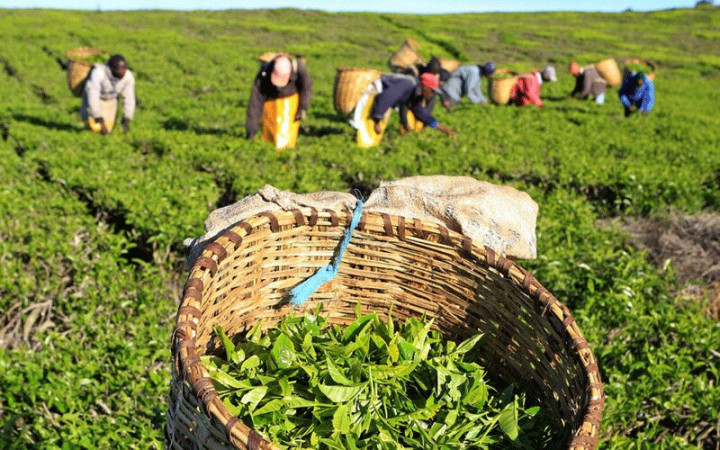
According to the KNBS, maize grain prices climbed from Ksh69.39 per kilogram in December 2025 to Ksh71.28 in January 2026. Over the same period, the cost of fortified maize flour rose from Ksh162.56 to Ksh173.51 per 2-kilogram packet.
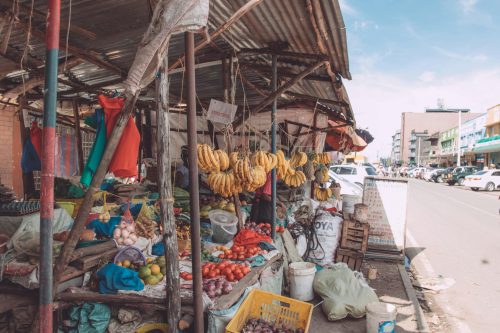
Prices of kale and cabbage rose sharply, climbing by 4 and 9 per cent, respectively, as concerns over potential supply disruptions intensified. KNBS warned that potential delays in the onset of the March-May long rains could affect crop yields.
“Food carries a weight of 32.9 per cent in Kenya’s inflation basket, meaning even small price increases have a strong impact on the cost of living. When combined with transport and housing costs, these expenses account for over 57 per cent of total household spending,” the report reads.
Over the year, cabbages became 35.5 per cent more expensive, while sukuma wiki prices rose by 23.5 per cent, highlighting sustained pressure on household food budgets.
Although sugar and cooking oil prices declined slightly in January, amid criticism, KNBS noted that the reductions were not enough to offset the broader rise in staple foods such as maize and vegetables. Maize grain prices climbed by 14.6 per cent over the year, pushing up the cost of unga.
Housing-related costs also contributed to rising expenses. Electricity prices increased by 3.7 per cent for households using 50 kilowatt-hours and 3.4 per cent for those consuming 200 kilowatt-hours.
While kerosene prices eased slightly, higher power bills are expected to affect both households and small businesses.

High cost of living
The rise in these prices comes against a backdrop of steady but moderate overall inflation, with the Consumer Price Index (CPI) showing annual inflation at 4.4 per cent in January 2026, slightly down from 4.5 per cent in December 2025.
Core inflation, which excludes items such as food and fuel, increased to 2.2 per cent, reflecting sustained price pressures in sectors such as manufactured foods, health, education, and ICT services, according to the report.
On the other hand, non-core inflation, representing more volatile commodities, stood at 10.3 per cent, pointing to the continued fluctuations in food and energy costs.
Further, Irish potato prices went up by 3.4 per cent, while household goods such as laundry soap and domestic services increased by around 0.5 to 0.6 per cent between December and January.
KNBS data shows that non-core inflation, which includes food and fuel, stood at 10.3 per cent, far above core inflation of 2.2 per cent.
“This explains why many households continue to feel squeezed, even when headline inflation appears stable,” KNBS noted.
Author
Latest News








Advertisement
More on Business