Advertisement
Govt clarifies tolling plan for Rironi-Nakuru-Mau Summit Highway
Sunday 26th October, 2025 03:18 PM|
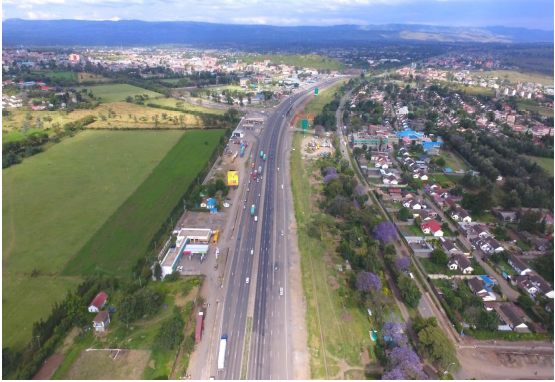
The government has explained how tolling will work on the planned Rironi-Nakuru-Mau Summit Highway under a Public Private Partnership (PPP) model.
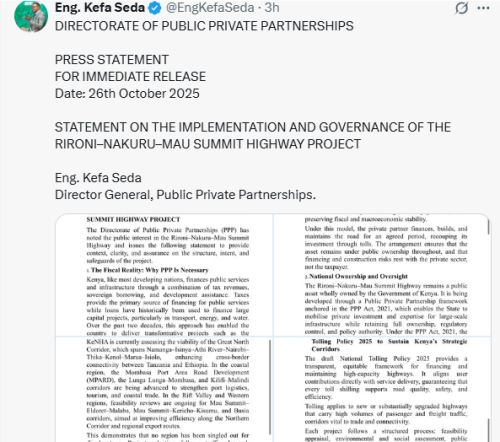
In a statement issued on Sunday, October 26, 2025, the Directorate of Public Private Partnerships said the project will remain a public asset even as a private company finances, builds, and operates the road for thirty years before handing it back to the state.
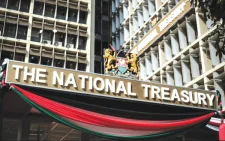
According to the Treasury, Kenya’s debt limits have made it hard to fund new major road projects through borrowing. The PPP model now allows the government to use private investment for large highways without increasing public debt.
The investor will recover their costs through toll collections while ensuring the road is maintained to agreed standards.
You Might Also Like

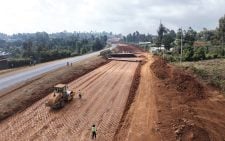
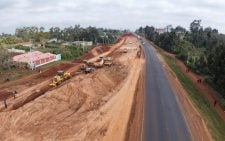
The Rironi-Nakuru-Mau Summit Highway is part of Kenya’s effort to modernise key transport corridors and ease traffic along the busy Northern Corridor, which carries nearly 40 per cent of the country’s trade.
The project is being developed under the PPP Act, 2021, which gives the government full ownership and control. Oversight will be carried out by the National Treasury, the State Department for Roads, and the Kenya National Highways Authority (KeNHA).
Also watch: Nyoro opposes toll charges on Rironi–Mau summit road.
Tolling policy and exemptions
The tolling system will be guided by the draft National Tolling Policy 2025, which outlines how user fees will be charged and managed. Tolling will apply mainly to new or substantially upgraded highways that handle heavy passenger and freight traffic.
All money collected will stay within the same corridor and be used for maintenance, safety patrols, lighting, and emergency services.
The policy introduces a clear structure to ensure accountability and fairness. Toll rates will be regulated and reviewed regularly to match changing economic conditions.
The Treasury said exemptions or lower rates will apply to specific vehicle categories such as ambulances, police and military vehicles, and local residents who live along the tolled corridor.
The policy also includes a revenue-sharing clause. If traffic volumes and toll collections exceed agreed levels, the extra revenue will go back to the government to fund other road projects. This ensures the private operator does not earn excessive profits while taxpayers benefit from strong roads without taking on new debt.
Benefits to road users
The Treasury said the new model will deliver several benefits. Road users will experience lower vehicle operating costs thanks to smoother, more durable pavements. The new road will also provide shorter and predictable travel times due to controlled access and improved traffic management.
Safety will be enhanced through round-the-clock patrols, lighting, and paramedic services, all funded by toll proceeds. The private partner will be bound by measurable maintenance and performance standards, which the government will monitor throughout the concession period.
Officials cited the Gauteng–Maputo Development Corridor between South Africa and Mozambique as an example of a successful PPP toll road. Like that project, the Rironi–Nakuru–Mau Summit Highway will be financed and maintained by a private operator under government regulation.
Kenya’s PPP framework gives the state the right to step in if the investor fails to meet its obligations, ensuring continuity of service and protection of public interest.
The PPP Committee has not yet awarded the project but has allowed KeNHA to negotiate with the preferred bidder. Details of the final agreement will be made public once talks are complete, in line with the PPP Act’s transparency requirements.
The Treasury emphasised that the project does not involve surrendering ownership of any national road or asset to a foreign company. Every kilometre of the Rironi-Nakuru-Mau Summit Highway will remain under the Republic of Kenya.
Author
Kenneth Mwenda
Kenneth Mwenda is a business, sports, and politics digital writer with over seven years of experience in journalism, covering breaking news, feature stories, and in-depth analysis across a range of beats.
For inquiries, he can be reached at [email protected]
View all posts by Kenneth MwendaLatest News


Advertisement
More on Business