Advertisement
Africa could face 86M tonnes fuel deficit by 2040m report warns
Friday 24th April, 2026 10:49 PM|

Africa is heading toward a major fuel supply gap that could reach 86 million tonnes by 2040, exposing deep structural weaknesses in the continent’s energy systems and trade patterns, according to a new report by the Africa Finance Corporation (AFC).
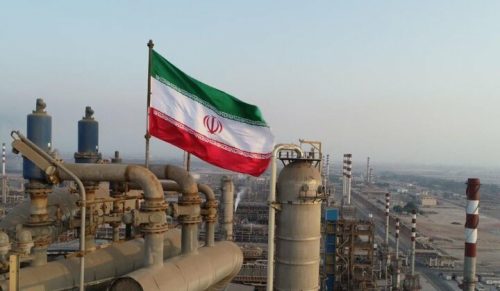
The warning comes amid heightened global tensions, including the ongoing escalation of the Iran conflict, which has disrupted oil flows through critical chokepoints like the Strait of Hormuz. These disruptions have laid bare Africa’s heavy reliance on imported fuel and external supply chains.
Africa currently imports more than 70 per cent of its refined fuel, as well as roughly Ksh29.9 trillion worth of essential goods annually, ranging from food and fertiliser to plastics and steel.
According to the AFC report, fuel imports alone are projected to rise from 74 million tonnes in 2023 to 86 million tonnes by 2040, worsening the continent’s exposure to global shocks.
You Might Also Like



East Africa, in particular, has felt the strain of recent supply disruptions, with delays and price volatility linked to instability in the Middle East. The situation has amplified concerns over energy security and economic resilience.
Calls for self-reliance
Speaking at a Nairobi summit where the report was launched on Thursday, April 23, 2026, President William Ruto urged African nations to rethink their economic model and reduce dependence on foreign capital and imports.
“Our ambitions will remain unrealised if we continue to depend on external capital whose primary interest is securing raw materials for their own industries,” he said, calling for a shift toward local value addition and industrialisation.
Ugandan President Yoweri Museveni echoed similar sentiments during the discussions, which focused on building regional resilience.
One of the most significant proposals came from African industrialist Aliko Dangote, who offered to build a large-scale oil refinery in East Africa. similar to the Dangote Refinery, currently the largest in Africa.
Dangote said he would commit to constructing a 650,000-barrel-per-day refinery if governments in the region provide the necessary support. A facility of that scale could significantly reduce reliance on imports and help close the projected supply gap.
Infrastructure and policy gaps
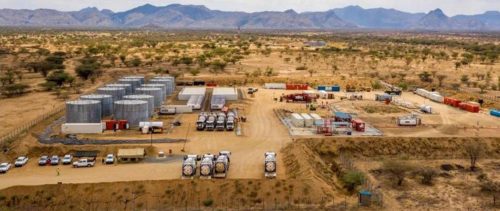
The AFC report highlights that solving Africa’s looming fuel deficit will require more than new refineries. It calls for improved infrastructure, better integration of energy systems, and more efficient use of existing assets.
For example, some hydropower capacity in countries like Angola remains underutilised due to weak grid connections, while outdated dam designs in Zambia struggle to cope with changing climate conditions. These inefficiencies contribute to broader energy shortages.
The report also points to missed opportunities in sectors like fertiliser production. Despite holding around 80 per cent of the world’s phosphate reserves, Africa produces only 20 per cent of global fertiliser supply, leaving it vulnerable to external disruptions, especially from Gulf producers.
AFC chief economist Rita Babihuga-Nsanze described these gaps as avoidable, noting that with the right investments, Africa could significantly boost domestic production and reduce import dependence.
The report frames the projected 86 million-tonne fuel deficit not just as a looming crisis, but as a pivotal moment.
With strategic investments in refining, infrastructure, and regional integration, Africa has an opportunity to transform its energy landscape, shifting from vulnerability to self-sufficiency.
Author
Latest News






Advertisement
More on Business