Advertisement
Why Kenya’s voter registration drive is missing its target audience
Saturday 11th October, 2025 07:30 AM|

As Kenya gears up for the 2027 General Elections, the Independent Electoral and Boundaries Commission (IEBC) has launched a Continuous Voter Registration (CVR) exercise to rope in 6.3 million new voters, with youth as the primary target.
But two weeks in, the numbers paint a sobering picture: only 20,754 new voters have registered nationwide, far below expectations.
Nairobi leads with 4,804 new voters, followed by Mombasa with 1,379, while counties like Nyamira (18) and Lamu (36) trail far behind. Transfers stand at 3,207, with just eight voters updating their details. The IEBC’s October 10, 2025, update underscores the challenge: the exercise is faltering, especially among young Kenyans.
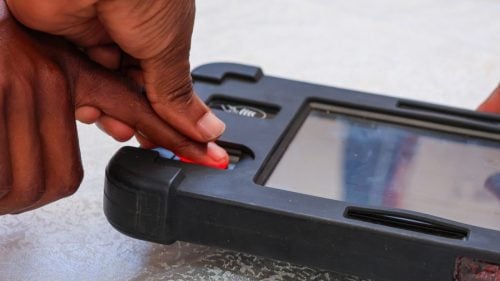
Chairperson Erastus Edung Ethekon has touted the rollout of enhanced biometric technology, including iris recognition, to ensure secure and fraud-resistant registration. Yet even these tech upgrades haven’t stirred meaningful youth engagement. The reasons for this shortfall go far deeper than logistics.
You Might Also Like



“While we commend this progress, turnout among the targeted youths remains lower than expected. With a national target of 6.3 million new voters, the commission urges all the eligible Kenyans, particularly the youths, to take this opportunity to register and make their choices count in the 2027 general election,” read the IEBC press release dated October 10, 2025, in part.
A generation disillusioned by politics
At the heart of the crisis is political disillusionment. Kenya’s youth, who make up more than 75% of the population, have lived through cycles of grand promises and minimal delivery.
The 2022 elections, marred by disputes and economic stagnation, deepened cynicism. Many young people now see voting less as a tool of change and more as an empty ritual.
Protests against the Finance Bill in 2024 amplified this sentiment. Young Kenyans voiced frustration at a system that seems to recycle the same leaders despite worsening unemployment, now at 13.7% among youth. For a generation raised on social media activism, casting a ballot often feels like shouting into a void.
Institutional distrust compounds this feeling. Past IEBC controversies, from server hacks in 2017 to form shortages in 2022, have left a lingering stain.
According to Afrobarometer (2025), only 42% of youth trust electoral bodies. Without transparent processes and youth-led oversight, appeals to “shape your future” fall flat.
Weak civic outreach
Another critical gap is how the IEBC communicates. Civic education remains patchy and poorly targeted. Efforts often intensify only in the months before elections, instead of building consistent engagement throughout the year. In rural and urban informal settlements, registration centres are underpublicised and poorly integrated into schools and universities.
The commission also relies heavily on traditional communication channels. Yet 70% of young Kenyans get their information from mobile apps. Platforms like TikTok and Instagram dominate their daily lives, with the 18–24 age group spending an average of 4.5 hours a day on short-form video. IEBC’s X posts and press releases, often bureaucratic in tone, simply don’t resonate.
Senator Nyutu recently pointed to this gap, while influencer Omanyo’s online plea urging peers to register showed the power of relatable messengers. Without dynamic, youth-friendly campaigns, the commission risks speaking into the void.
Economic pressures and mobility barriers
Beyond politics and messaging, daily realities also shape participation. With 36% of Kenyans living below the poverty line, many young people prioritise work over registration. A boda boda rider in Mombasa may choose fares over queues at registration centres.
Urban migration further complicates matters. Nearly 40% of urban youth move annually, often for work or study, leaving many stranded far from their original polling stations. Fixed registration centres don’t serve this mobile generation. Without mobile units or pop-up drives, the IEBC risks missing vast segments of eligible voters.
A call to rethink engagement
The low turnout isn’t about youth laziness; it’s a rational response to a system that hasn’t earned their trust or adapted to their realities.
Suppose the IEBC hopes to reverse the trend before 2027. In that case, it must pivot fast: gamify registration apps with incentives, partner with Gen Z creators for TikTok challenges, use campus ambassadors, and deploy mobile registration vans in high-migration zones.
Kenya’s youth are not apathetic; they’re waiting to be spoken to in their language, through channels they trust, and in ways that respect their lived experiences. Unless that happens, the 2027 elections risk becoming a hollow exercise, excluding the very generation that holds the keys to the country’s democratic future.
Author
Latest News







Advertisement
More on Insights