Advertisement
Widows push for legal reforms as land disputes and inheritance laws leave many vulnerable
Tuesday 23rd June, 2026 07:10 PM|
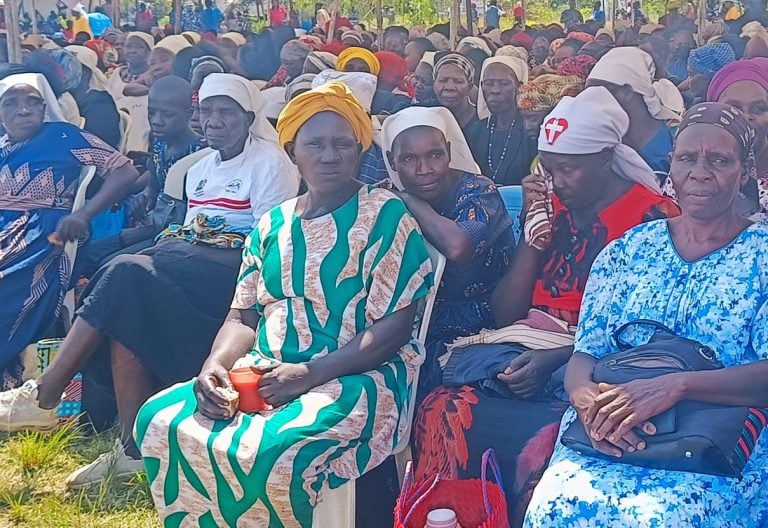
The government has been challenged to strengthen legal protections for widows and review inheritance laws that continue to leave many women vulnerable to land dispossession, poverty and discrimination despite constitutional guarantees on equality.
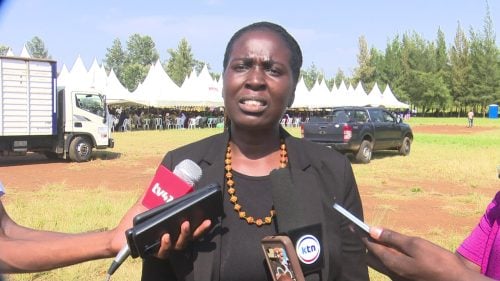
Speaking during International Widows Day celebrations in Kisumu on Tuesday, June 23, 2026, High Court advocate and Nyanam Widows board member Agnes Aron said existing legal frameworks still contain provisions that disadvantage widows and expose them to economic insecurity after the death of their spouses.
Aron called for policy and legislative reforms to address gaps in succession laws and ensure widows are adequately protected.
“We feel it is the responsibility of the government to create an environment where widows are protected and able to live with dignity. While organisations are doing their part, the government should be at the centre of addressing these challenges,” she said.
You Might Also Like



She particularly questioned provisions in the law of succession that grant widows only a life interest in inherited property, noting that such rights can cease once a widow remarries.
According to Aron, the provision unfairly penalises women who choose to rebuild their lives after losing their spouses.
“Once somebody dies, a widow is allowed to remarry. Why then should she lose her interest in property simply because she remarries? That is a question we must ask as a society,” she said.
Inheritance disputes
The advocate further raised concerns over inheritance disputes involving family land that remains registered in the names of deceased parents-in-law, saying widows often find themselves excluded from ownership despite living and working on the land for years.
She noted that in many cases, widows continue cultivating family land without title deeds, leaving them and their children vulnerable to eviction and lengthy legal battles.
“If a widow dies before ownership issues are resolved, the children are often forced to start the succession process from scratch. This creates uncertainty and perpetuates poverty within families,” she said.
Aron urged Parliament and other relevant institutions to review succession laws and implement court recommendations aimed at promoting equality in inheritance matters.

Widows champion empowerment, justice
Her remarks came as more than 4,000 widows gathered in Kisumu to mark International Widows Day, an annual observance dedicated to highlighting the challenges faced by widows while celebrating their contributions to society.
The event, organised by Nyanam Widows, also saw 196 women graduate from a three-year leadership and empowerment programme designed to equip widows with skills in leadership, livelihoods and personal development.
Nyanam founder and Executive Director Jackie Odhiambo said the organisation has grown from supporting 80 widows seven years ago to reaching about 6,000 women across the region.
She said the day offered an opportunity to challenge negative stereotypes that often portray widows solely as vulnerable members of society.
“We must begin seeing widows as leaders, caregivers and contributors to development instead of defining them only by their loss,” Odhiambo stated.
Land ownership, she said, remains one of the biggest challenges facing widows due to contradictions between cultural practices and legal provisions.
Although Kenya’s laws recognise the rights of widows to inherit property, implementation remains weak, often resulting in land grabbing and inheritance disputes.
Odhiambo revealed that Nyanam has filed more than 70 land-related cases on behalf of widows and recently secured two additional land titles for beneficiaries after years of legal and mediation processes.
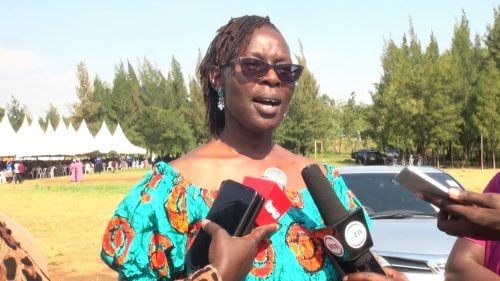
She noted that they obtained their first land title for a widow last year.
She revealed that many of the cases take between two and three years to resolve because they involve multiple family members and competing interests.
Rather than relying solely on court battles, Nyanam adopts a restorative justice approach that seeks reconciliation within families while safeguarding the rights of widows.
“We are committed to walking with widows for the long term because justice is often a lengthy process,” she said.
Author
Latest News







Advertisement
More on News