Advertisement
Echoes of Mugabe: What Zimbabwe’s extension of presidential term limits means for President Mnangagwa
Saturday 20th June, 2026 12:30 PM|
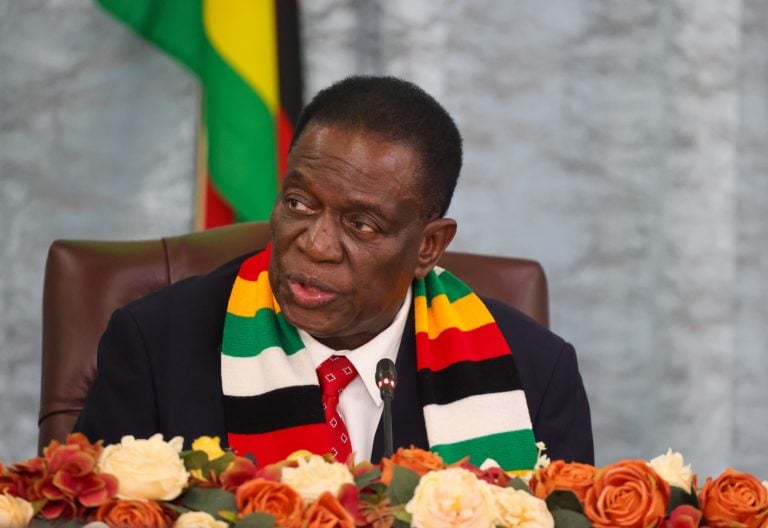
By any measure, Zimbabwe has entered one of the most consequential political moments since the fall of former President Robert Mugabe in 2017.
Nearly a decade after presenting himself as the leader who would usher in a new democratic era, President Emmerson Mnangagwa now finds himself at the centre of a constitutional change that critics say mirrors the very political culture Zimbabweans believed they had left behind.
This week, Zimbabwe’s National Assembly approved a controversial constitutional amendment that would extend presidential terms from five to seven years and postpone elections scheduled for 2028 until 2030. The proposal passed with the required two-thirds majority and is expected to sail through the Senate, where the ruling ZANU-PF party enjoys overwhelming control.
For many Zimbabweans, the development has triggered a sense of déjà vu.
The Mugabe comparison
You Might Also Like

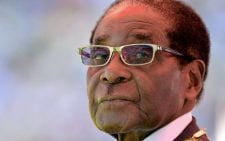
When Mnangagwa assumed power following the military-backed removal of Mugabe in 2017, he marketed himself as a reformer. He promised economic revival, democratic reforms, international re-engagement, and a break from decades of authoritarian politics.
Those promises generated optimism both inside and outside Zimbabwe.
Yet nearly nine years later, the country appears to be confronting a familiar pattern: constitutional engineering designed to keep an incumbent leader in power longer than originally envisaged.
The symbolism is difficult to miss.
Mugabe spent decades altering political institutions to consolidate power. Today, Mnangagwa, once Mugabe’s loyal lieutenant, is facing accusations of pursuing a similar path.
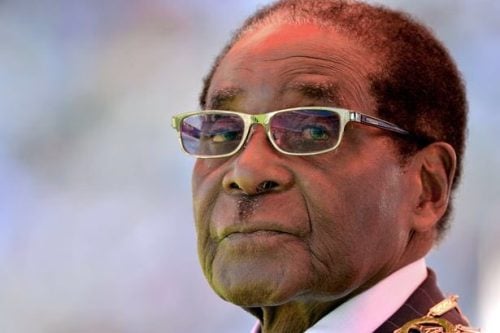
The irony is particularly striking given that the 2013 Constitution was specifically designed to prevent the concentration of power that characterised the Mugabe era.
A fundamental shift in democracy
The proposed changes are not merely about adding two years to Mnangagwa’s tenure.
Perhaps more significantly, the amendments would replace direct presidential elections with a system in which lawmakers elect the president. Critics argue that such a move fundamentally alters the relationship between citizens and the presidency.
In practical terms, it would mean Zimbabweans no longer directly choose their head of state.
Instead, Parliament, dominated by ZANU-PF, would effectively control presidential succession.
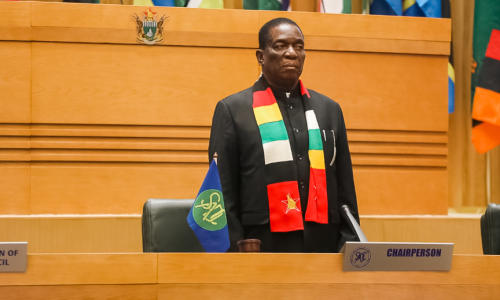
Supporters argue the reforms will promote stability, reduce election-related tensions, and allow long-term economic planning.
Critics see something else entirely: the institutionalisation of one-party dominance.
Troubling African trend
Zimbabwe’s developments are not occurring in isolation.
Across parts of Africa, constitutional amendments have increasingly become tools for extending political power. The continent has witnessed multiple leaders alter term limits, extend mandates, or redesign electoral systems in ways that favour incumbents.
The result is often the same.
Constitutions cease to function as restraints on power and instead become instruments through which power is preserved.
Zimbabwe risks joining that list more visibly than ever before.
Since taking office, Mnangagwa has overseen periods of severe inflation, currency instability, investor uncertainty and persistent debt challenges, despite occasional signs of stabilisation.
The central question therefore remains unanswered:
Is Zimbabwe extending a presidency because reforms require more time, or because political elites wish to avoid the uncertainty of competitive elections?
That distinction matters.
What happens next?
The Senate is expected to consider the legislation soon, and given ZANU-PF’s parliamentary dominance, passage appears likely.
If enacted, the amendments could reshape Zimbabwean politics for years to come.
But the bigger issue extends beyond Mnangagwa himself.
The debate is ultimately about whether constitutions should serve citizens or incumbents.
History shows that democratic institutions are often weakened gradually rather than suddenly. A term extension here, an electoral adjustment there, and eventually the rules cease to constrain power altogether.
Author
Mustafa Juma
View all posts by Mustafa JumaLatest News




Advertisement
More on Insights