Advertisement
Why Kenya’s emissions are rising despite clean energy growth-study
Thursday 09th April, 2026 11:11 AM|

Kenya has long been celebrated as a global leader in renewable energy, but new data reveals a troubling contradiction at the heart of its power sector: even as the country runs on a largely green grid, its carbon emissions are rising.
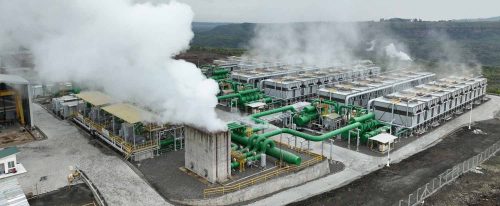
According to the latest report by the Energy and Petroleum Regulatory Authority (EPRA), 78.79 per cent of electricity supplied to the national grid came from renewable sources in the second half of 2025. This places Kenya among the world’s cleanest energy producers, driven by geothermal, hydro, wind, and solar power.
Yet in the same period, carbon dioxide emissions surged by 27.11 per cent, raising urgent questions about the sustainability of the country’s energy transition.
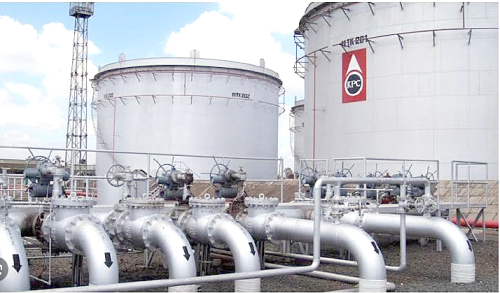
The report shows that thermal power generation jumped by 24.27 per cent as the country turned to diesel and heavy fuel oil plants to meet rising electricity demand.
You Might Also Like


“How can a country run on green energy, and still pollute more? Is the question now confronting policymakers, climate advocates, and investors, “the study released on Wednesday, April 8, 2026, observes.
The answer lies in a system under pressure.
Electricity demand grew by more than 8 per cent over the six months, fueled by economic expansion, industrial activity, and increased household consumption. While renewable energy remains dominant, it has struggled to keep pace with this rapid growth, especially during peak hours and at night.
To bridge the gap, grid operators have increasingly relied on thermal plants, which can be dispatched quickly to stabilise supply.

Surging energy demand
The report points to another structural issue: energy curtailment. During periods of low demand, particularly at night, renewable sources like geothermal and wind are often scaled back to maintain grid stability.
While curtailment dropped significantly during the review period, it still reflects inefficiencies in matching supply with demand.
“Energy curtailment is done for frequency management; to maintain the balance between demand and generation,” the report explains.
Ironically, this means that even as clean energy is available, it is not always fully utilised, forcing the system to depend on fossil fuels at other times.
For climate advocates, the trend is alarming.
“This is a warning sign. Kenya is doing well on renewables, but demand is growing faster than the system can adapt. Without storage and smarter grid management, fossil fuels will keep creeping back in,” the study notes.
Communities living near thermal plants are already feeling the impact. Increased reliance on diesel-powered generation not only raises emissions but also contributes to local air pollution and higher electricity costs.
On the other side of the debate, energy planners argue that thermal power remains a necessary backup in a rapidly growing economy.
With Kenya’s GDP expanding and electricity access widening, ensuring a stable and reliable power supply is a top priority. Over 182,000 new customers were connected to the grid in just six months, adding further strain on the system.
“Electricity demand increased, reflecting sustained economic activity and growing consumption,” the report notes.
This tension, between climate commitments and economic growth, lies at the heart of Kenya’s clean energy paradox.
The country has pledged to cut greenhouse gas emissions by 35 per cent by 2035 and aims to achieve 100 per cent renewable electricity generation.
But without major investments in energy storage, grid modernisation, and demand management, experts warn that these targets could be at risk.
Author
Latest News








Advertisement
More on News