Advertisement
The miracle tree transforming Mau Narok’s dairy sector
Tuesday 22nd July, 2025 08:40 AM|
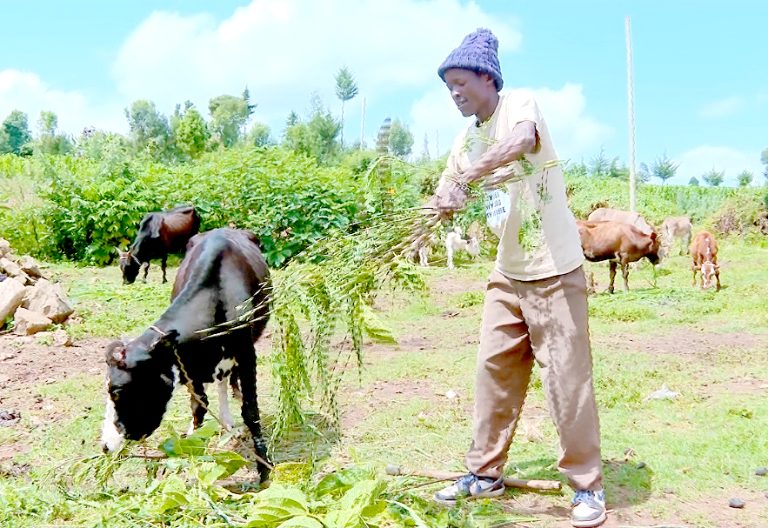
When the Sesbania sesban tree, popularly known as Sesbania, was introduced in Mau Narok, Nakuru County, one and a half years ago, the goal was straightforward: to restore degraded land.
But what began as a soil restoration project is fast transforming farming practices and boosting agricultural productivity.
“Initially, we planted sesbania to fix our soil because it is a nitrogen-fixing tree and stops erosion, but we quickly realised its leaves are rich in protein and make excellent livestock fodder,” says Richard Langat, a farmer from Chepungei village.
Nitrogen-fixing trees like Sesbani are known for drawing nitrogen from the atmosphere and storing it in the soil, a process that enhances soil fertility and reduces dependence on synthetic fertilisers.
You Might Also Like



Additionally, their fast growth and ability to thrive in poor soils make them ideal for restoration projects in areas impacted by land degradation.
More milk
Upon realising the nutritional benefits of Sesbania, farmers began incorporating its leaves into their cows’ diets, an intervention that is already yielding remarkable results.
Many, like Richard, have observed a significant jump in milk production. Before the integration, his cow produced just two litres of milk per milking cycle.
Today, that figure has more than doubled, reaching five litres.
Because of these results, he has expanded the number of trees on his farm to ensure a consistent and affordable supply of high-protein feed, reducing his dependence on commercial livestock supplements.
Tabitha Mutai is another farmer who has witnessed a remarkable increase in milk production from her livestock, more than doubling since she began feeding them with fodder from the sesbania trees.
Initially, she planted sesbania to serve as green walls and to mark boundaries between different sections of her farm.
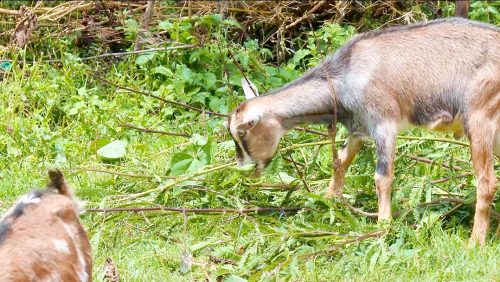
However, after learning from fellow farmers about the positive impact these trees were having on dairy productivity in the area, she decided to integrate them into her feeding system.
The results have exceeded her expectations, prompting her to view the trees not just as landscape features but as valuable agricultural resources that contribute directly to her farm’s output.
“I now plan to share seeds with neighbours and help them replicate the success on their own farms. Together with other farmers who have already adopted this tree, we have agreed to store some of the seeds in our community seed bank for the Mashinani Seed Fair in October,” says Mutai.
Other benefits
The sesbania tree, a new addition to the Mau Narok ecosystem, was introduced by the Seed Savers Network (SSN) through a locally led restoration project supported by TerraFund for AFR100—an ambitious initiative aiming to restore 100 million hectares of degraded land across Africa by 2030.
The project has already empowered over 600 farmers to reclaim more than 130 hectares of previously unproductive land using agroforestry practices, nitrogen-fixing trees, and sustainable farming techniques.
Beyond the increased milk yields and restored land, the project is also helping farmers reduce their agricultural costs.
With better soil quality, many farmers are cutting back on fertilisers and external inputs, allowing them to reinvest in other areas of their farms.
“Our decision to introduce fodder trees in Mau Narok was based on the growing need to provide sustainable livestock feed solutions while rehabilitating degraded land. Farmers in this area were struggling with shrinking pastures and costly commercial feeds,” says Daniel Wanjama, Director of Seed Savers Network.
Agroecological strategy
According to him, these trees thrive in harsh conditions, grow quickly, and start offering benefits within a few months.
Beyond livestock feed, they have also introduced fruit and medicinal trees to help diversify farm income and improve household health.
Their goal is to empower communities to regenerate their land, reduce input costs, and build resilience to climate shocks through agroforestry and local knowledge.
Integrating fodder trees with fruit and medicinal species according to Wanjama is part of a broader agroecological strategy aimed at enhancing food security and environmental health.
“By combining traditional knowledge with modern restoration techniques, we’re not just planting trees, we’re growing solutions. These trees are transforming farms into vibrant, productive landscapes that support livelihoods, nutrition, and biodiversity,” he says.
Author
Milliam Murigi
View all posts by Milliam MurigiLatest News








Advertisement
More on News