Advertisement
Ruto constitutes university funding review team
Tuesday 17th September, 2024 07:40 AM|
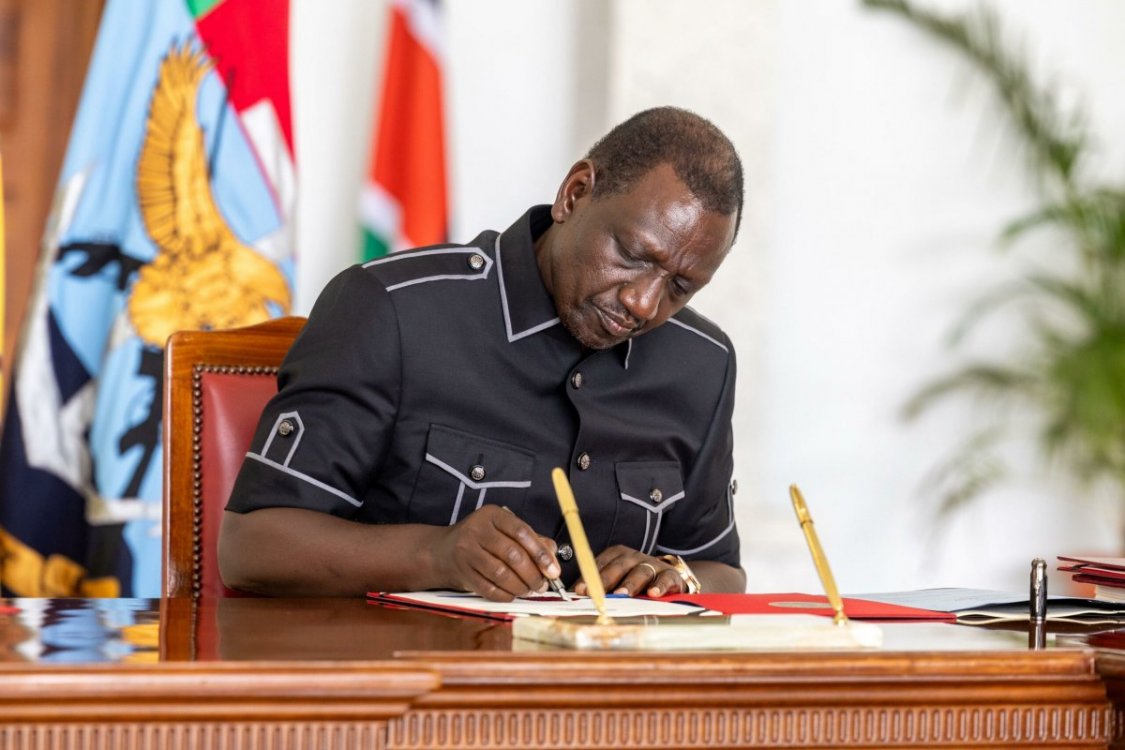
President William Ruto yesterday bowed to pressure and announced the formation of a National Working Committee to review the new university education funding model following unprecedented backlash from students and the general public.
In a Special Gazette Notice dated September 16, Ruto said the committee will comprise four sub-committees that will be tasked with exploring different ways of reviewing the controversial funding model.
The committees include the workstream on the review and refinement of the new funding model for universities and Technical, Vocational Education and Training Institutions (TVETs) as well as the workstream on appeals arising from the categorisation of students into various eligibility bands for allocation of scholarships and loans.
The other committees include the work stream on structure of student loans; and the workstream on the review of the cost of university academic programmes.
You Might Also Like

The team with members from different fields will be chaired by Japheth Micheni Ntiba, a former PS in the former administration while members of the committee will comprise chairpersons and co-chairpersons of the four workstreams, comprising a total of 129 members.
“Now therefore, I, William Samoei Ruto, President of the Republic of Kenya and Commander in Chief of the Defence Forces, in exercise of the powers conferred upon me by the Constitution and the Statute Laws of the Republic of Kenya, do order and direct, that the National Working Committee on Review of the New University Education Funding Model is hereby established,” the notice reads.
The committee will serve for a period of eight weeks from the date of the notice.
The formation of the review committee comes after Ruto faced a backlash from hundreds of youths when he hosted a Town Hall convocation at the Kenyatta International Convention Centre (KICC) last month to debunk the myths surrounding the new funding model.
Although he defended himself that the most vulnerable in society will not be disadvantaged as the Ministry of Education will increase funding for scholarships and loans for extremely needy students from 80 to 95 per cent, his audience, largely comprising university students, questioned the model’s practicability, arguing that its implementation remains unclear and will not be feasible.
Questionable Rush
The students sought to know why the government is moving at a very fast speed to implement the model without extensively engaging all stakeholders. The students from Kenya Methodist University (KeMU), Jomo Kenyatta University of Agriculture and Technology (JKUAT) demanded to know why there was a rush in implementing a model that has a lot of technicalities.
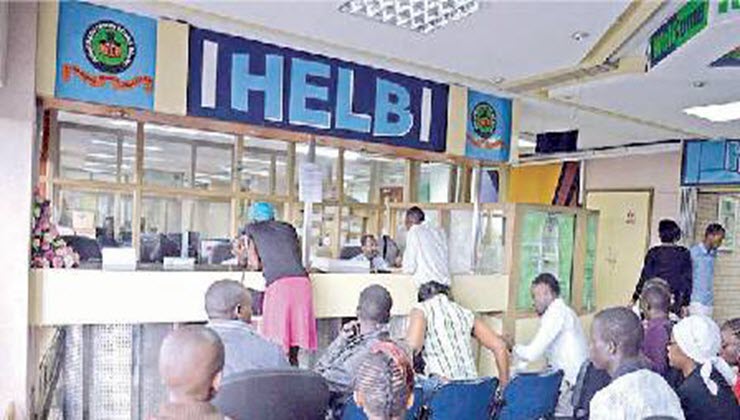
Under the new funding model, the ministry is using the Means Testing Instrument (MTI) to determine the appropriate financial assistance each learner deserves based on self-generated information on family background, including monthly income.
In the notice, Ruto said that his decision follows increasing concern about the effectiveness of the MTI in terms of inconsistency in costing methodologies for university programmes, which calls for a unified approach to foster trust and ensure fairness.
The committee will be required to review the efficacy of the New Funding Model in fostering access to quality and affordable higher education, appraise its implementation and evaluate the effectiveness of the MTI in ensuring that the categorisation of students captures their socio-economic realities.
The team will also be required to assess the effectiveness of the appeals mechanism in the resolution of student categorisation concerns and challenges in relation to the bands.
It will also analyse and make recommendations for the rationalisation of the cost of university programs and mobilisation of the requisite resources for funding university education, to review the structure of student loans with regard to the terms of the loans, including current interest rates, penalties and repayments periods.
The workstream on the review and refinement of the new funding model for universities and TVETs will be chaired by Prof Karuti Kanyinga and co-chaired by Dibora Hirbo.
The workstream on appeals arising from the categorisation of students into various eligibility bands shall be headed by Walubengo Waningilo and co-chaired by Lucy Machugu. The workstream on the structure of student loans will be chaired by Robert Oduor Otieno and co-chaired by Aron Kiprotich Bett, while the workstream on the Review of the Cost of University Academic Programmes will be chaired by Mohamed S. Rajab (Prof) and co-chaired by Patrick Malanga.
Author
Mercy Mwai
View all posts by Mercy MwaiLatest News




Advertisement
More on News