Advertisement
Kenya’s new university funding model: Promise of equity or rising burden for students?
Monday 04th May, 2026 01:43 PM|
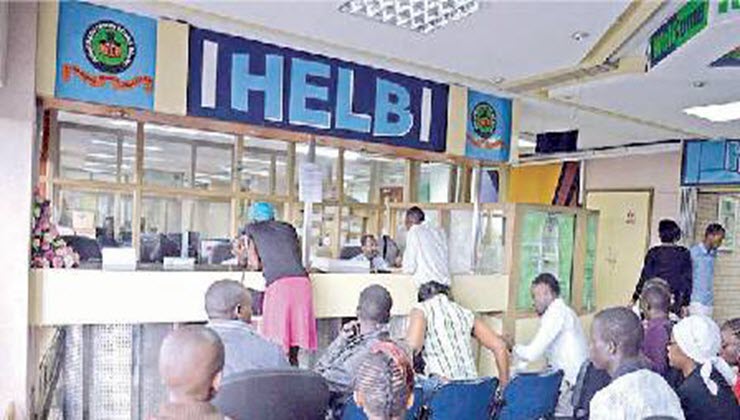
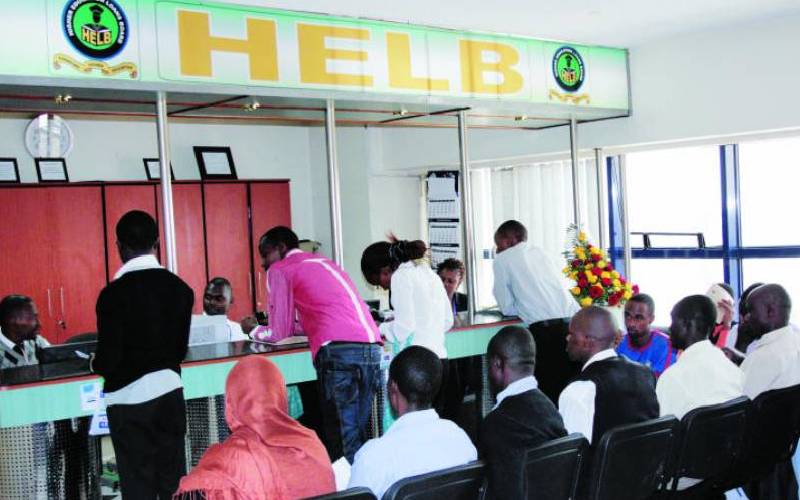
Kenya’s new student funding model, rolled out under the Higher Education Loans Board (HELB) and the Universities Fund, marks a significant shift from the old ‘one-size-fits-all’ approach to a more targeted system that blends scholarships, loans and household contribution.
It’s designed to make higher education more equitable, but it has also sparked intense debate.
New funding model and how it works
The new HELB funding model, or Student-Centred Funding Model (SCFM), categorises students into five bands based on household income and need and provides variable scholarships, loans, and household contributions for university and TVET studies.
This classification specifies the distribution of the cost of university education. The government has stopped the blanket subsidies and has replaced them with a combination of scholarships, i.e., non-repayable grants, and loans, where families are supposed to contribute some amount depending on their means.
You Might Also Like


Those students who are the poorest get the largest portion of the scholarships and the least portion of the burdening repayment, and those students who are deemed to be financially stable are given a minimal or no portion of state assistance.
Critical issues and concerns.
Though with good intentions, the model has been received with scepticism and criticism. The possibility of defining financial need is one of the biggest issues. In a nation in which a significant part of the population functions in the informal sector, the accurate evaluation of family income is in itself challenging.
This has prompted some students, who feel they have been inappropriately grouped, to complain, and some students who appear to be better off than others seem to be disproportionately benefiting.
There has also been an alarm about the expectation of household contribution even for the needy categories. To families already struggling with financial hardship, any added financial burden, however small it may be on paper, can become a barrier to access. The worry also arises that some students will be compelled to either postpone their studies or drop out of school entirely because of a lack of funds not provided by either a scholarship or a loan.
Emerging debt and long-term implications.
Meanwhile, the added dependency on loans creates an additional level of financial stress. With the debt burden on graduates, the sustainability of repayment and the overall economic effect on young professionals become doubtful.
This change, critics argue, subtly shifts the cost of education to the individual level, in effect reorienting higher education as a type of individual investment instead of a social good.
Implementation challenges
Adding to these fears are the practical issues of implementation. The reports of bad disbursements, misunderstanding of funding breakdowns, and a clunky appeal system have all led to a lack of confidence in the system.
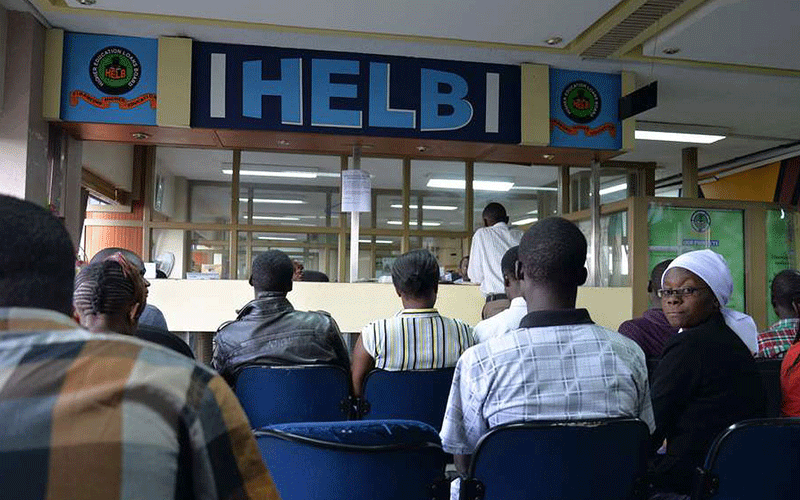
The complexity of the model has become an obstacle to many students and families in terms of understanding their financial obligations, as this has created anxiety in many students and families during a period of time when they should be focusing on academic transition.
The new model of student funding in Kenya is a bold initiative to balance conflicting interests: the need to increase access, the need to promote equity, and the need to remain financially sustainable. Its success will be determined not only by the design but also by its effectiveness in implementation and improvement over time.
Provided that the government can close any loopholes that may be present in the accuracy of the data, administration, and the protection of support for the most vulnerable, the model can transform access to higher education in a positive way.
Otherwise, it may only serve to further reinforce inequalities and to add even a greater burden to those whom it was meant to empower.
Author
Latest News






Advertisement
More on Insights