Advertisement
Parliament committee questions ambiguity in women’s economic empowerment
Tuesday 30th September, 2025 08:36 PM|
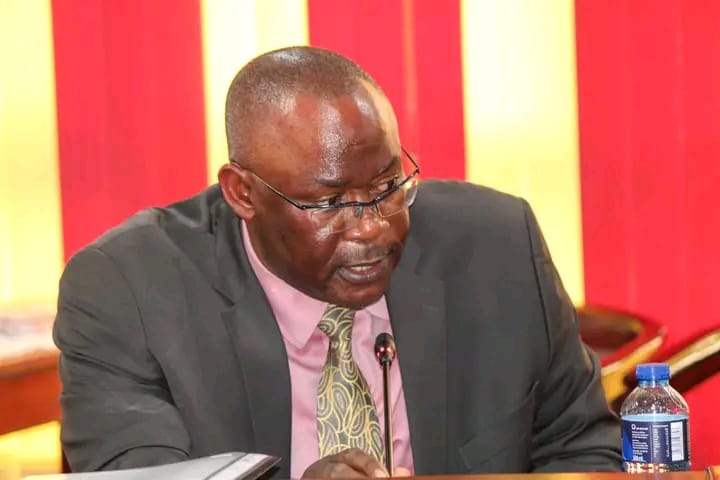
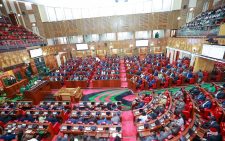
The National Assembly Committee on Social Protection has questioned why a policy meant to empower women lacks clear implementation lines and appears to duplicate the constitutional mandate of the 47 Women Representatives.
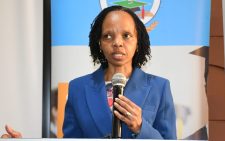
In a meeting held on Tuesday, September 30, 2025, Chaired by Alice Ng’ang’a, with the National Government Affirmative Action Fund (NGAAF) to receive submissions on the proposed National Policy for Women’s Economic Empowerment, questions were raised on the particular empowerment policy crafted by the State Department for Gender and Affirmative Action under the Ministry of Gender, Culture, The Arts and Heritage.
While affirming their commitment to strengthening frameworks that uplift women and vulnerable groups, Legislators voiced serious concerns over ambiguity in the policy, particularly around implementation structures and potential overlap with the mandate of the 47 Women Representatives.
“We support every effort that empowers women,” Alice Ng’ang’a said, “but we cannot sit and watch a policy roll out that risks weakening institutions already delivering results. If something is working, don’t create a parallel system; reinforce it.”
Further questions raised
You Might Also Like

NGAAF CEO, Roy Sasaka Telewa, echoed the need for clarity, “The policy must expressly state who the implementing agency is,” Telewa said. “If it is NGAAF, then it must operate within existing frameworks so that efforts complement rather than duplicate.”
Members further warned that if not properly refined, the policy could erode progress achieved through NGAAF and the offices of Women Representatives.
Mombasa Woman Representative Zamzam Mohammed questioned the intent behind expanding implementation to counties without prior consultation.
“Counties already have their own budgets. This appears to be coming through the back door. The Cabinet Secretary must clearly explain what the intent is,” she said, further urging reforms to credit policies affecting youth and women. “Let’s be realistic while creating policies. Where will young people get the logbooks and title deeds to access loans in this economy, as required by the youth fund?”
North Nrok Member of Parliament Agnes Pareyio described parts of the proposal as “a scheme to edge out Women Representatives,” while Tarbaj Member of Parliament Barre Hussein Abid warned that NGAAF is being fought through policy language.” The Committee maintained that it is not opposed to Cabinet policy direction, but insisted that Parliament’s oversight role must be respected.
“We are not against the Cabinet,” Alice Ng’ang’a clarified. “However, as custodians of NGAAF and champions of women’s empowerment, we must ensure public resources are used prudently. It’s better to expand NGAAF’s mandate than create new bureaucracies.”
The Committee is set to meet the Cabinet Secretary for Gender in the coming weeks for further interrogation of the policy.
Author
Latest News





Advertisement
More on News