Advertisement
Olekina challenges Controller of Budget on county spending approval
Monday 29th June, 2026 08:59 AM|

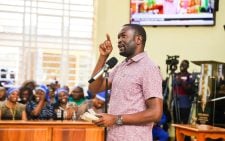
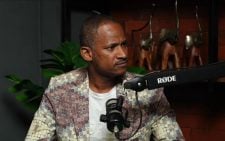
Narok Senator Ledama Olekina has questioned the Office of the Controller of Budget over a recent report on county government spending, focusing on how billions of shillings are used for travel while key services remain underfunded.
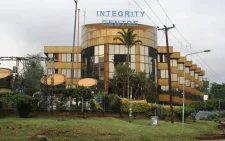
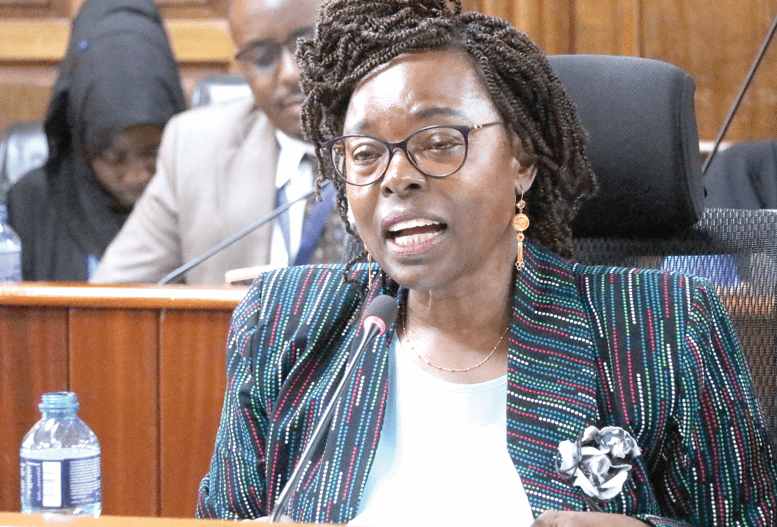
In a public post on X on Monday, June 29, 2026, Ledama Olekina published an open letter addressed to the Controller of Budget, Margaret Nyakang’o. He challenged how county withdrawals are approved and whether the office is fully enforcing Article 228(5) of the Constitution.
The debate follows a report which showed that counties spent about Ksh13.17 billion on domestic and foreign travel in the first nine months of the 2025/26 financial year. The report linked this spending to stalled development projects, delayed services, and growing pending bills across counties.
Olekina argued that the Controller of Budget must go beyond publishing figures and must clearly explain whether spending followed the law.
You Might Also Like
“Article 228(5) of the Constitution is explicit and leaves no room for ambiguity: your office is mandated to authorise withdrawals only for expenditures that are lawful and properly approved,” he wrote.
He stressed that county spending must always follow approved budgets passed by county assemblies. According to him, the main issue is not only how much counties spend, but whether the spending was properly authorised in the first place.
The senator raised direct questions about accountability.
“Was your office merely documenting expenditures already sanctioned by county assemblies, or did it authorise withdrawals for spending that was not supported by law?”
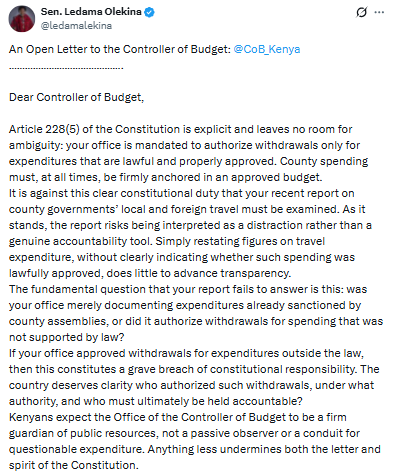
He added that if unlawful withdrawals were approved, then the controller’s office must take responsibility. In his words: “If your office approved withdrawals for expenditures outside the law, then this constitutes a grave breach of constitutional responsibility.”
Olekina also demanded full transparency on decision-making. He said Kenyans deserve to know who approved the spending, under what legal authority, and who should be held accountable if rules were broken.
Devolution spending accountability issues
His letter reflects wider concerns about public finance management in Kenya’s devolved system. County governments control large budgets meant for health, roads, water, and agriculture. However, critics say a large share of funds goes to recurrent costs such as travel, allowances, and meetings instead of development projects.
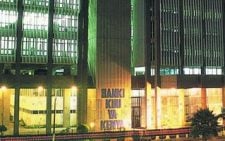
The Controller of Budget’s report has already highlighted this imbalance. It noted that while billions are spent on travel, many counties continue to struggle with stalled projects, unpaid contractors, and underfunded hospitals. The office has previously urged counties to complete unfinished projects and improve financial controls.
Olekina warned that weak oversight undermines public trust in devolution. He said the Controller of Budget should act as a strong safeguard of public money, not just a recorder of expenditure.
“Kenyans expect the Office of the Controller of Budget to be a firm guardian of public resources, not a passive observer or a conduit for questionable expenditure,” he stated.
State House budget overrun concern
A separate Controller of Budget report shows State House spent an additional Ksh4.45 billion outside its approved budget for the 2025/26 financial year.
According to the budget implementation review covering the nine months to March 2026, the funds were accessed under Article 223 of the Constitution, which allows supplementary withdrawals for emergencies or unforeseen needs, subject to approval by the Controller of Budget.
State House had an approved budget of Ksh8.579 billion, but total recurrent spending rose to Ksh10.79 billion, pushing expenditure to about 140 per cent of the allocation.
The report shows most of the additional spending was classified under “other operating expenses,” while the wider State House programme spent Ksh10.51 billion against an original allocation of Ksh7.23 billion.
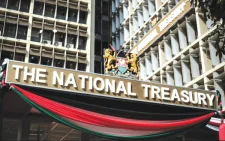
Across government, Ksh206.81 billion was accessed under Article 223 during the period, with the National Treasury taking the largest share for debt servicing.
Controller of Budget Dr Margaret Nyakang’o warned that increasing reliance on Article 223 weakens parliamentary oversight and should remain strictly limited to genuine emergencies.
Author
Kenneth Mwenda
Kenneth Mwenda is a business, sports, and politics digital writer with over seven years of experience in journalism, covering breaking news, feature stories, and in-depth analysis across a range of beats.
For inquiries, he can be reached at [email protected]
View all posts by Kenneth MwendaLatest News

Advertisement
More on News