Advertisement
Kenya’s public spending under scrutiny as audits expose waste and weak oversight
Tuesday 30th June, 2026 08:00 AM|
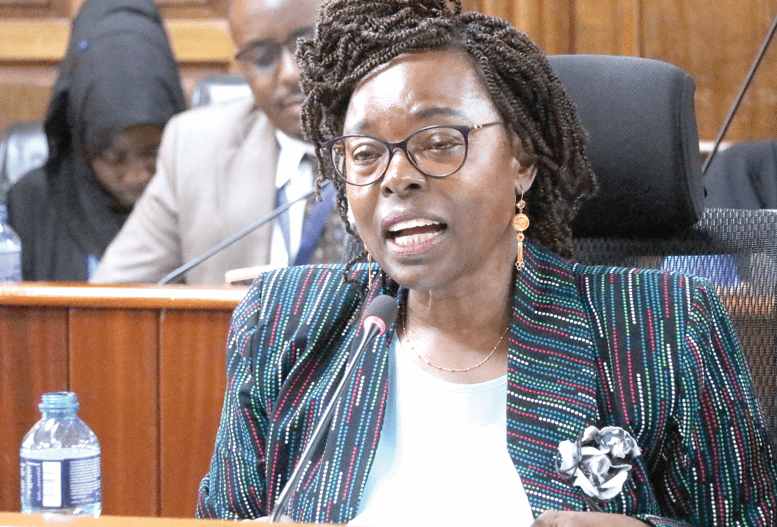
Kenya’s growing fiscal pressure is once again raising difficult but necessary questions about how effectively public resources are being managed. Fresh findings from the Office of the Auditor-General and the Office of the Controller of Budget reveal a troubling pattern of wasteful spending, weak oversight and poor budget execution that continues to undermine service delivery.
The conversation becomes even more urgent following President William Ruto’s signing of the County Allocation of Revenue Bill 2026 on Monday, June 29, 2026, officially unlocking Ksh428 billion for Kenya’s 47 counties ahead of the new financial year.
While the allocation is expected to boost devolved services, it also raises a familiar question: will the money translate into actual development or disappear into the same cycle of inefficient spending that continues to frustrate taxpayers?
Misuse of Article 223 weakens budget credibility
At the centre of concern is the increasing misuse of Article 223 of the Constitution, a provision originally intended for emergency government spending under exceptional circumstances. Instead of being reserved for urgent and unforeseen expenditure, audit findings show it has increasingly become a routine financing mechanism.
You Might Also Like


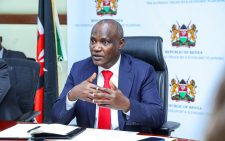
According to the Auditor-General’s special audit, expenditure under Article 223 grew by a staggering 13,299 per cent between the 2014/15 and 2022/23 financial years. Even more concerning is evidence that some spending has occurred before parliamentary approval, effectively weakening Parliament’s constitutional oversight role.
The consequences are visible in the country’s widening fiscal deficit. In the 2024/25 financial year alone, the budget deficit rose sharply from an initial Ksh597 billion to Ksh1.019 trillion despite underperforming revenue collection.
Poor development spending remains a major challenge
Equally worrying is the government’s continued inability to absorb development funds meant for critical public projects.
Analysis by the Controller of Budget shows development budget absorption stood at only 37 per cent during the first half of the 2025/26 financial year compared to 48 per cent for recurrent expenditure.
This means billions meant for roads, health facilities, water projects and education continue sitting idle while citizens wait for services.
Even counties, now set to receive Ksh428 billion under the new revenue allocation law, face growing pressure to prove that devolved funds can deliver visible impact instead of repeating delays and stalled projects seen in previous financial years.
Budget discipline must move beyond paper promises
Kenya’s challenge increasingly appears to be not just revenue generation, but spending efficiency. Oversight institutions have repeatedly recommended reallocating funds from stalled projects to high-impact programmes, cutting non-performing budget lines and strengthening project monitoring systems.
Ultimately, public confidence is not built by approving bigger budgets or releasing more funds. It is built by ensuring every shilling allocated delivers measurable value to citizens. Without stronger discipline and accountability, inefficiency will continue quietly draining Kenya’s economic future.
Author
Latest News








Advertisement
More on Insights