Advertisement
Nyutu questions govt’s G-to-G deal structure amid fuel crisis
Friday 22nd May, 2026 09:40 AM|

Questions are mounting over Kenya’s government-to-government (G-to-G) fuel import deal, with lawmakers now demanding full disclosure of how the arrangement operates.
Speaking during an interview with a local station on Thursday, May 21, 2026, Murang’a County Senator Joe Nyutu said the arrangement remains unclear to many Kenyans and should be fully explained to the public.
“I think it’s time the details of the G-to-G arrangement are brought to light. Nobody actually understands how it operates,” Nyutu said.
He questioned the structure of the deal, asking which government Kenya is actually purchasing fuel from and why the state is not relying on the National Oil Corporation instead of alternative channels.
You Might Also Like



“Which government are we buying this fuel from, and why are we not doing it through the national oil company? Why are we doing it through GAF?” Nyutu posed.
Questions over procurement transparency
Nyutu’s remarks have added to growing scrutiny over the framework, with critics arguing that the system may lack clarity in procurement and pricing mechanisms.
The G-to-G model was introduced as a way to stabilise fuel supply and cushion consumers from global price shocks, but it has increasingly become a subject of political and economic debate.
Energy Cabinet Secretary Opiyo Wandayi has, however, defended the arrangement, insisting it remains a structured and lawful procurement channel.

Wandayi has previously dismissed criticism of the deal, arguing that it was introduced in 2023 and supported by key government figures at the time.
He has also maintained that those raising concerns should present evidence-based issues rather than political accusations.
Rising political heat over fuel prices
The debate comes amid renewed political tensions over fuel pricing, with opposition figures claiming the arrangement has not delivered relief to consumers.
Critics argue that fuel prices in Kenya remain high compared to neighbouring countries, raising questions about efficiency and profit structures within the import chain.
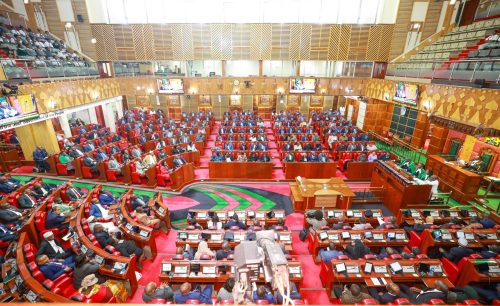
Nyutu’s remarks are expected to intensify pressure on Parliament and the Energy Ministry to provide clearer explanations on how the system operates and who benefits from it.
As scrutiny deepens, calls for transparency in the petroleum sector are likely to dominate upcoming policy and political discussions.
Author
Latest News







Advertisement
More on News