Advertisement
MPs grill energy bosses over Ksh30B debt and hiring scandals
Thursday 14th August, 2025 01:14 PM|
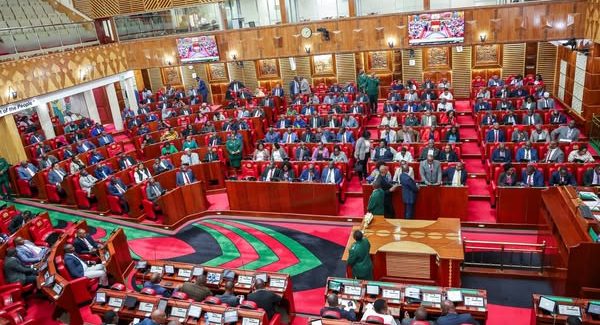
On Thursday, August 14, 2025, Parliament’s Public Investments Committee on Commercial Affairs and Energy put senior energy sector officials on the spot over a ballooning Ksh30.9 billion debt, failing mini-grids, and questionable hiring practices.
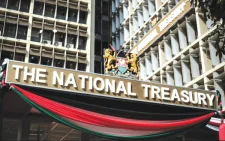
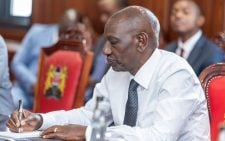
The tense two-day roundtable at Parliament brought together National Treasury PS Chris Kiptoo, Energy and Petroleum PS, EPRA Director-General, and the heads of KPLC, REREC, and Kenya Electricity Transmission Company.
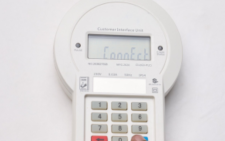
Audit reports over the past five years indicate that persistent load-shedding, particularly in rural areas, is hindering socio-economic growth.
Kiptoo disclosed that the Rural Electrification Scheme’s deficit had risen from Ksh9.2 billion in 2008 to Ksh30.9 billion by early 2024, though the Treasury had reduced it to Ksh25.33billion by June.
You Might Also Like

He proposed increasing exchequer funding from Ksh261M to Ksh1.66 billion in the 2025/26 budget, coupled with a five-year repayment plan through EPRA tariff recoveries, targeting a Ksh7.7 billion debt reduction next year.
However, MPs pushed back against the Treasury’s plan to divert Ksh1billion from public utilities to settle the debt. Soy MP David Kiplagat argued that electricity must be treated as a basic social need, saying, “Let us explore a modest levy on fuel or diesel to raise the funds without undermining critical facilities,” Kiplagat said
The Committee, chaired by Pokot South MP David Pkosing, also demanded urgent restoration of 13 non-functional mini-grids out of 56 operated by KPLC, many crippled by faulty lithium batteries. REREC has been tasked with taking over management and replacing the infrastructure for Ksh5.2 billion over two years.
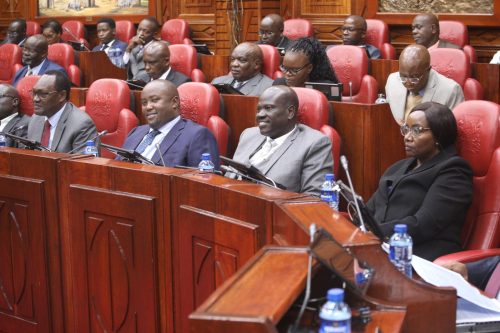
KenGen was also put on notice over alleged irregular recruitment. Lawmakers accused Managing Director Peter Njenga of arriving unprepared to respond to key audit queries for 2020/21 to 2022/23.
“Hiring was prompted by an urgent drilling labour contract in Ethiopia and Djibouti, which required immediate mobilisation of specialised engineers,” Njenga told the MPs
Audit findings revealed that in 2020/21, KenGen hired ten employees, including four graduate engineers, without advertising the positions, instead sourcing candidates from its internal HR database. Another 28 engineers were recruited in the same manner later that year. Njenga defended the move, citing urgent contracts in Ethiopia and Djibouti that required immediate deployment.
But MPs were unconvinced, questioning the lack of evidence for his claim that an external recruitment agent was involved. Pkosing demanded full details of the Ethiopia–Djibouti deal, the composition of the 38 recruits, and the identity of KenGen’s MD at the time.
The Committee will determine whether KenGen’s actions were a lawful emergency measure or a case of governance failure dressed up as urgency.
Author
Latest News


Advertisement
More on News