Advertisement
Parliament approves Pius Ang’asa for CBK board
Thursday 14th August, 2025 11:35 AM|
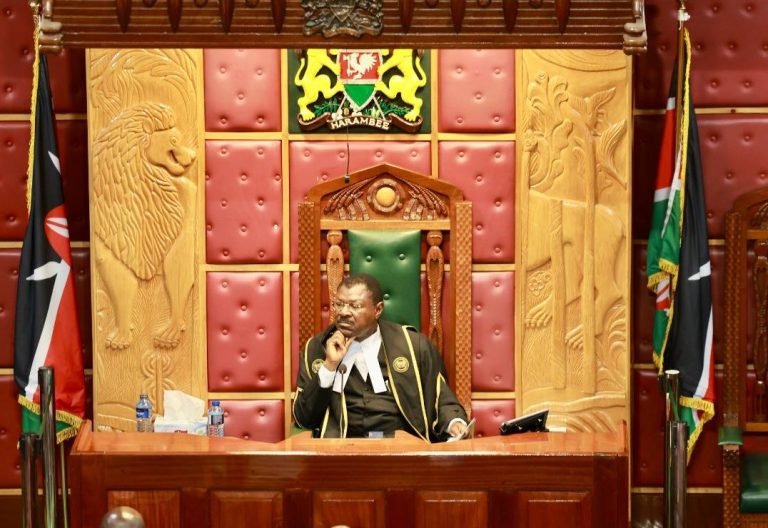
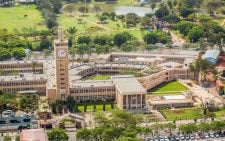
The National Assembly has approved the appointment of Pius Ang’asa to the Board of Directors of the Central Bank of Kenya (CBK), completing a fast-tracked vetting process conducted jointly with the Senate. The confirmation was communicated on Thursday, August 14, 2025, on Parliament’s official channels.
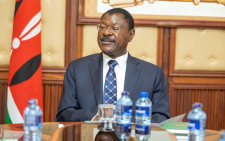
Ang’asa’s approval follows the message relayed to both Houses on Thursday, July 24, 2025, in which Speaker Moses Wetang’ula conveyed President William Ruto’s nomination and directed committees to expedite consideration ahead of the mid-August recess.
“In this regard, the nomination is to be considered by both Houses of Parliament. The established practice is that the relevant committees of the National Assembly and the Senate hold joint vetting sessions and table a joint report,” the Speaker said on the floor.
The vetting was conducted jointly by the National Assembly’s Departmental Committee on Finance and National Planning and the Senate’s Standing Committee on Finance and Budget, an approach Parliament has adopted to streamline approvals involving institutions under the oversight of both Houses. Notices of the joint sittings and timelines were issued publicly as the committees worked to comply with the Speaker’s directive.
You Might Also Like

Ang’asa now joins the CBK Board under the framework of Section 11 of the Central Bank of Kenya Act (Cap. 491), which mandates that the chairperson and directors be appointed by the President with Parliament’s approval. The law also sets out the board’s composition, tenure, and staggered appointments to ensure continuity.
Beyond the formality of appointment, the CBK Board plays a consequential governance role. It oversees the Bank’s administration, receiving briefings on operations, policy implementation, and sector performance, while providing fiduciary and strategic guidance to the institution. (The Monetary Policy Committee separately handles policy rate decisions.) Strengthening the board with a duly approved director supports CBK’s corporate governance, continuity, and accountability to the public.
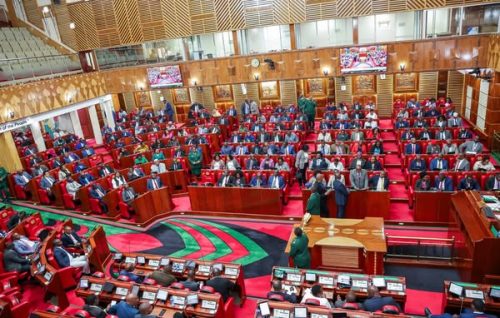
Procedurally, Parliament moved within the timeline set by law and practice. While the CBK Act itself does not impose a hard deadline, the Public Appointments (Parliamentary Approval) framework requires parliamentary consideration within 28 days, hence the Speaker’s push to conclude before recess. Today’s approval signifies that the joint committee completed hearings, compiled its report, and secured the House’s nod in line with those timelines.
Ang’asa’s addition comes at a time when CBK’s steadiness matters: banks are navigating liquidity dynamics, credit demand, and regulatory compliance, while the broader economy weighs inflation management against growth. A fully constituted board helps the Bank execute its mandate with robust oversight, budget approvals, risk governance, and institutional stewardship complementing, not substituting, the MPC’s work on interest rates and monetary operations.
From a public-interest standpoint, the episode also underscores how institutional appointments should move: presidential nomination, transparent vetting across both Houses, and a recorded approval in parliamentary proceedings. The paper trail from the Speaker’s message to the votes and proceedings, to committee notices and the final update offers citizens a clear view of how a single public appointment advances through Kenya’s checks and balances.
With parliamentary approval secured, Ang’asa is set to take up his seat on the CBK Board under the terms of the Act, joining a leadership table that sits at the heart of CBK’s governance and public accountability.
Author
Latest News



Advertisement
More on News