Advertisement
Kenya leads East Africa’s electricity access gains as Africa misses SDG7 targets
Thursday 09th July, 2026 06:13 AM|

Kenya has emerged as one of Africa’s leading electricity access success stories, demonstrating that rapid electrification is achievable even as Sub-Saharan Africa remains the global epicentre of energy poverty, according to the latest Tracking SDG 7: The Energy Progress Report 2026.
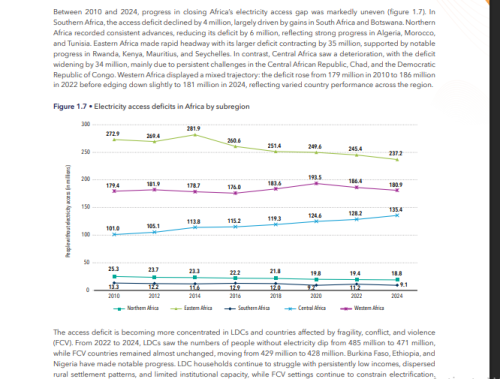
The report paints two sharply contrasting African realities. While Sub-Saharan Africa accounts for 563 million of the world’s 655 million people living without electricity, 86 per cent of the global total, Eastern Africa is identified as one of the continent’s strongest-performing regions, with progress driven by Kenya, Rwanda, Mauritius and Seychelles.
Global electricity access reached 92 per cent in 2024, yet the pace remains too slow to achieve universal access by 2030 under current policies.
The contrasting figures position Kenya as a regional benchmark in electricity access, renewable energy and sustainable development, raising fresh questions about whether neighbouring East African Community (EAC) states can replicate its progress as governments race to achieve Sustainable Development Goal 7 (SDG7), which calls for universal access to affordable, reliable, sustainable and modern energy by 2030.
You Might Also Like


“The annual number of people gaining access to electricity increased in 2024, but the pace of progress remains insufficient to achieve universal access by 2030, particularly in Sub-Saharan Africa,” the report states.
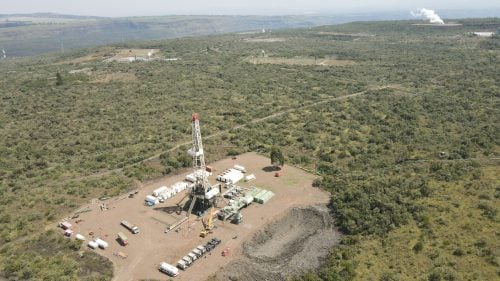
For Kenya, the findings reinforce more than a decade of sustained investment in electricity infrastructure, last-mile connectivity and renewable energy. Kenya’s electricity system, powered largely by geothermal, hydropower, wind and solar energy, has become one of Africa’s cleanest electricity mixes, supporting economic growth while dramatically expanding household electricity access.
The report notes that Eastern Africa has become one of Africa’s strongest-performing sub-regions on electricity access, with Kenya playing a central role in narrowing the access gap. In contrast, many countries in Central and Western Africa continue to struggle with inadequate infrastructure, weak investment and rapid population growth that is outpacing electrification gains, leaving millions of people without reliable electricity.
Kenya’s electricity connectivity
Kenya’s electricity access model presents valuable lessons for East African Community partners seeking to accelerate economic growth through universal energy access. Rwanda has also recorded impressive electrification gains, while Uganda and Tanzania continue expanding electricity generation, transmission networks and rural connections.
However, South Sudan and Burundi remain among the region’s most energy-poor countries because of conflict, financing constraints and limited electricity infrastructure.
The report warns that rapid population growth continues to offset gains in electricity access across Sub-Saharan Africa, making faster investment essential if the region is to meet SDG7 by 2030. It also highlights that countries with clear policy frameworks, strong institutions and sustained financing have recorded the fastest improvements in electricity access.
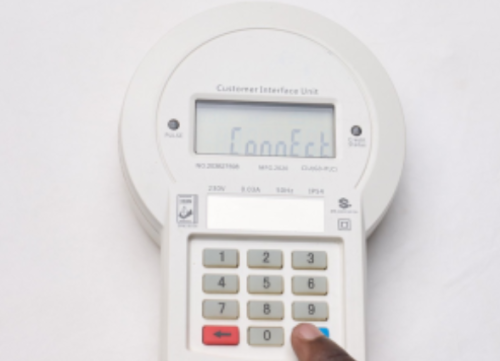
Kenya’s experience demonstrates how consistent government policy, private-sector participation and renewable energy investment can accelerate electrification. The country’s leadership in geothermal development has strengthened energy security, reduced dependence on imported fossil fuels and created a cleaner electricity system capable of supporting industrialisation, digital transformation and electric mobility.
Kenya is also well positioned to benefit from Mission 300, the flagship initiative of the World Bank Group and the African Development Bank that seeks to connect 300 million Africans to electricity by 2030.
With its experience in last-mile connectivity, renewable energy development and electricity market reforms, Kenya can serve as a regional knowledge hub, helping neighbouring countries strengthen regulatory frameworks, attract private investment and expand cross-border electricity interconnections.
Greater regional power integration through the East African Power Pool could also allow Kenya to export surplus renewable electricity, strengthen regional energy security and lower electricity costs across the EAC while supporting Africa’s wider energy transition.
Closing Africa’s wider energy gap
Despite Kenya’s remarkable electricity access gains, the report cautions that electrification alone will not deliver SDG7. Millions of households across East Africa still lack access to clean cooking technologies, while unreliable electricity supply continues to constrain businesses, healthcare facilities and schools in several countries.
“Accelerating progress will require stronger policies, increased financing and coordinated action to ensure that no one is left behind in the global energy transition,” the report says.
The report further notes that achieving universal electricity access by 2030 will require substantially higher investment, particularly in Sub-Saharan Africa, where most of the world’s unelectrified population lives.
Expanding national grids must therefore be complemented by mini-grids, stand-alone solar systems and stronger regional electricity interconnections capable of reaching remote communities more quickly.
For Kenya, the findings reinforce its growing role as East Africa’s renewable energy and electricity access leader. Continued investment in geothermal energy, transmission infrastructure and regional electricity trade positions the country to play a central role in powering economic integration across the East African Community.
Ultimately, the report demonstrates that Kenya has shown that electrification can succeed through sustained investment, renewable energy and sound policy. Yet the wider African picture remains deeply concerning.
Unless more countries replicate Kenya’s approach and accelerate investment through initiatives such as Mission 300, Sub-Saharan Africa will remain home to 563 million people without electricity, more than 86 per cent of the global total, placing SDG7 increasingly out of reach by the end of the decade.
Author
Latest News




Advertisement
More on Business