Advertisement
MP Jayne Kihara explains why she is boycotting Ruto’s State of the Nation address
Thursday 20th November, 2025 02:41 PM|
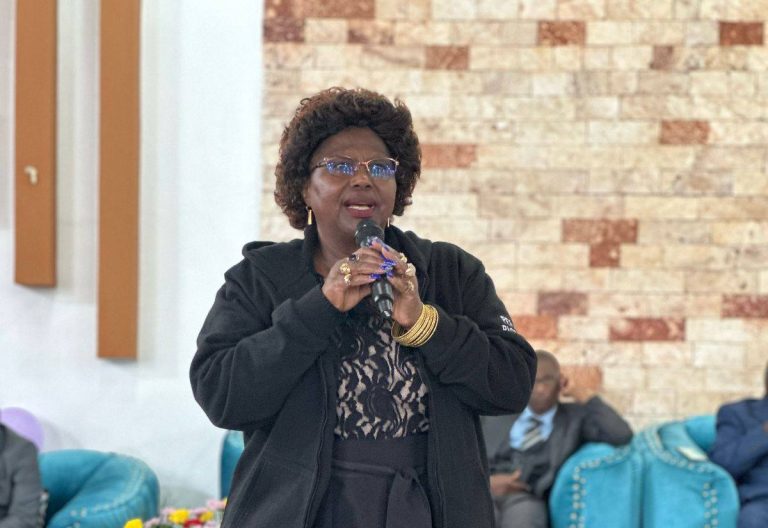
Naivasha Member of Parliament (MP) Jayne Kihara has boycotted President William Ruto’s address to Parliament, saying that there is nothing new the head of state is going to say.
While speaking at the precincts of Parliament on Thursday, November 20, 2025, the MP, who is allied to the former Deputy President and the United Opposition, stated that she will not attend the State of the Nation Address, which will see the president address a joint sitting of the National Assembly and the Senate.
Instead, she chose to travel to Narok to help campaign for their Democracy for Citizens Party candidate in the Narok Town by-election.
She went on to state that she has no interest at all in the president’s address, saying that what the president is going to say is what he has been saying every day and that Kenyans should not expect anything new.
You Might Also Like



The Naivasha MP further stated that if it is the state of the nation, she understands it better than even the head of state, since, according to her, she is the one on the ground more than the president and understands what is bedevilling the nation.
She cited the high cost of living, the deteriorating economy, and Kenyans trapped overseas after being lied to that they were going to be given jobs only to end up in slavery.
“Mimi sitarajii kitu. Ni ile amekuwa akituambia. Mimi hata siingii bunge, nitasikia tu huko. Na Narok, naenda kufanya kampeni huko. State of the Nation?
“Sitaki kuambiwa na president. Mimi ndiyo naishi Kenya hii; mimi ndiyo najua ile majuto wanapitia. Najua vile tuliambiwa ‘SHA itafanya kazi’, bado tunafanya harambee. Hakuna kitu mpya ya kutarajia,” the Naivasha MP said.
Constitutional requirement
The president is expected to issue a State of the Nation Address as required of him by the Constitution under Article 132(1)(a), where he is required to brief the nation on the progress the country has made toward national values, the current state of national security, and the progress the country has made toward its international obligations.
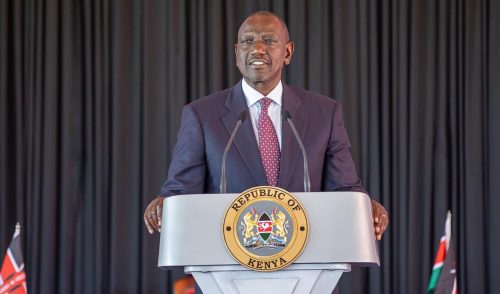
After the report is submitted by the president, it is then subjected to debate, where parliamentarians are required to deliberate on the speech made by the president.
Parliament is now set and ready for the address, with the speakers already at the precincts.
Author
Latest News





Advertisement
More on News