Advertisement
Mbadi: It will take Kenya 3 years to implement zero-based budgeting policy
Thursday 11th June, 2026 09:51 AM|

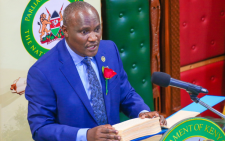
Treasury Cabinet Secretary John Mbadi has said Kenya will require up to three years to fully implement its zero-based budgeting framework, as the government moves to fundamentally reshape how public expenditure is planned and justified.
Speaking in an interview with a local TV interviewer on Monday, June 11, 2026, Mbadi noted that the reform, which requires all government spending to be built from a “zero base” rather than adjusted from previous allocations, is currently in its early stages of execution. He said the 2026/27 budget cycle marks the first full year of implementation but warned that the transition will be gradual as institutions adapt to the new fiscal discipline model.
“We indicated last year that this year would be the first year for the implementation of zero-based budgeting, and we exactly implemented that. But for us to implement the full potential, it will take about three years. This is the first year of implementation,” Mbadi noted.

According to him, the shift is designed to eliminate automatic budget rollovers and force ministries, departments, and agencies to justify every expenditure item from scratch, a process expected to significantly improve efficiency and accountability in public finance management.
Implementation hurdles
You Might Also Like


Acknowledging that the model has faced hurdles, Mbadi has explained that while progress has been made in embedding the new budgeting approach, several operational challenges remain, particularly in aligning sector priorities, building technical capacity, and restructuring planning systems across government.
Mbadi has emphasised that the full benefits of the reform will not be immediate, stating that the government expects a phased transition period of about three years before the system is fully optimised and consistently applied across all public institutions.
“There are still challenges, but I am happy that we largely prepared our budget based on zero-based budgeting, where every expenditure was justified before being captured,” he added.

The Treasury boss further indicated that early application of the policy has already begun influencing budget allocations, with some departments experiencing revised funding levels as spending is reassessed under stricter justification requirements.
He added that the reform is part of broader efforts to strengthen fiscal responsibility, improve value for money in public spending, and ensure that limited resources are directed toward priority development projects.
The zero-based budgeting model is also expected to enhance scrutiny of government programmes by requiring clear cost-benefit justification for all planned expenditures, a shift that analysts say could reshape long-term budgeting culture in the country.
As the policy continues to be rolled out, attention will now turn to how effectively ministries adapt to the new framework and whether it delivers the intended gains in efficiency, transparency, and fiscal sustainability over the coming years.
Author
Latest News








Advertisement
More on News