Advertisement
2026/27 Budget: Mbadi defends zero-based budgeting rollout
Thursday 11th June, 2026 09:17 AM|

Treasury Cabinet Secretary John Mbadi has defended the government’s transition to zero-based budgeting, saying the reform is now in its first year of full implementation and is already reshaping how state departments justify expenditure ahead of the national budget presentation in the National Assembly of Kenya.
Speaking during a local television interview on Thursday, June 11, 2026, Mbadi explained that Kenya officially introduced zero-based budgeting in the previous financial cycle, but full realisation of its benefits will take approximately three years as institutions adjust to the new fiscal discipline framework.
The CS further noted that while implementation is ongoing and still faces operational challenges, significant progress has already been made in ensuring that every item of expenditure must be fully justified before being included in the budget.
“Let me talk about zero-based budgeting. We indicated last year that this year would be the first year for the implementation of zero-based budgeting, and we exactly implemented that. But for us to implement the full potential, it will take about three years. This is the first year of implementation.
You Might Also Like



“There are still challenges, but I am happy that we largely prepared our budget based on zero-based budgeting, where every expenditure was justified before being captured,” Mbadi said.
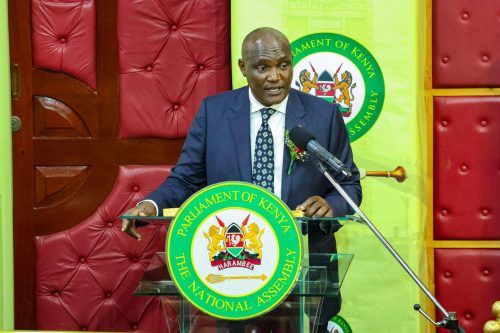
According to the Treasury CS, the new budgeting approach is already influencing resource allocation decisions across government, with some departments experiencing notable reductions in funding as inefficient or non-essential expenditures are eliminated or reassessed.
Mbadi specifically pointed to the State Department for Energy as an example, noting that its budget has been reduced to approximately Ksh35 billion. He explained that under the revised framework, several economically viable projects previously managed within the department will now be financed and executed through the National Infrastructure Fund.
He said the restructuring is aimed at improving efficiency, reducing duplication of projects, and ensuring that infrastructure investments are coordinated under a more centralised financing model to enhance accountability and impact.
Scrutiny of budget allocations
The Treasury boss further emphasised that zero-based budgeting marks a major shift from traditional incremental budgeting, where previous allocations were often carried forward with minimal scrutiny.
Under the new system, all ministries, departments, and agencies must start from a “zero base” and justify every proposed expense from the ground up.
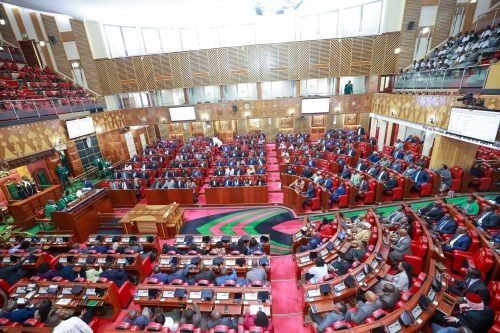
As Parliament prepares to deliberate on the upcoming budget estimates, attention is expected to focus on how the zero-based budgeting model will affect service delivery, development projects, and inter-departmental funding priorities in the 2026/27 financial year.
Author
Latest News








Advertisement
More on News