Lobby groups: Ksh2B compensation means nothing without real behaviour change
By Aloys Michael, April 1, 2026Rights activists have cautioned that the government’s allocation of Ksh2 billion to compensate victims of past protests and human rights violations will amount to little if not accompanied by meaningful reforms in behaviour and accountability.
President William Ruto announced the Ksh2 billion compensation during a joint parliamentary session at the Kenyatta International Convention Centre on Tuesday, March 10, 2026. The move forms part of the commitments under the 10-Point Agenda agreed between the United Democratic Alliance (UDA) and the Orange Democratic Movement (ODM).
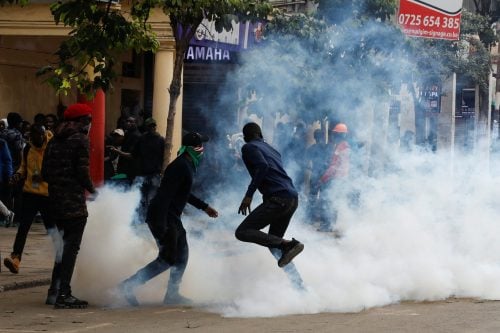
The compensation is intended to support victims of protests and human rights violations that occurred between 2017 and 2024. Ruto said the exercise would be coordinated through the Kenya National Commission on Human Rights (KNCHR) to ensure proper identification and support of victims.
“Although we are being told, and it is correct, that you can never compensate for life, we can do something about it. We have already identified all the victims, profiled their names, and established a comprehensive list. Private resources will be used alongside the Ksh2 billion to ensure proper compensation,” Ruto said.
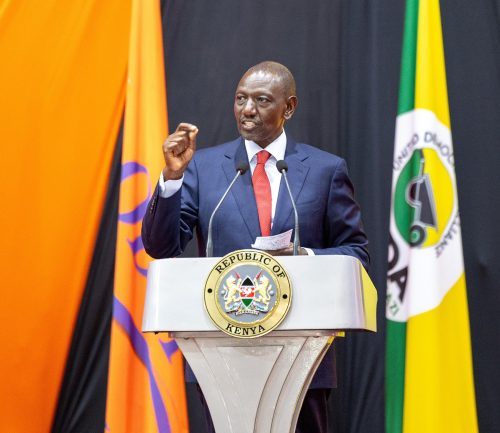
The president also set a target to complete the exercise before June 2026, noting that the compensation panel had already been gazetted and victims profiled.
However, activists and human rights experts in an interview on a local TV station on Wednesday, April 1, 2026, have warned that financial compensation alone will not resolve the systemic issues that allowed abuses to occur in the first place.
Demas Kiprono, Executive Director of the International Commission of Jurists (ICJ) Kenya, described the government’s initiative as lip service if it fails to address structural reforms.
“It is lip service to compensate people, yet behaviours remain the same. We should seize the moment and make sure KNCHR gets the compensation parameters right and ensure this doesn’t happen again,” Kiprono said.
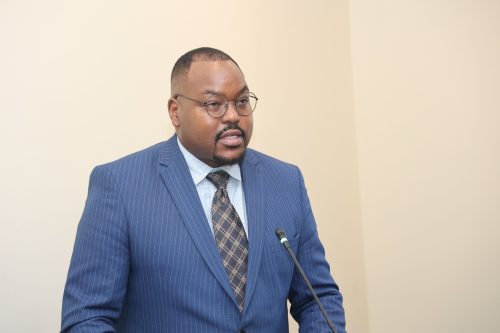
Similarly, Cyrus Maweu, Deputy Director and Head of Redress & Legal Affairs at KNCHR, emphasised that monetary payouts must go hand-in-hand with mechanisms to prevent future violations.
“It’s not enough to just compensate; the focus should also be on the guarantee of non-repetition. We are looking at human rights broadly and not just victims of protests. We are looking at a framework that can be applied to all violations,” Maweu stated.
Maweu also noted that there are currently no strict timelines for implementing the broader human rights framework.
Instead, KNCHR is focusing on establishing a comprehensive approach that ensures accountability, prevents recurrence, and strengthens institutional respect for human rights.
PHOTO/@channelafrica1/X
The legal battles
The Ksh2 billion fund will operate under a legal framework with oversight from the courts and KNCHR, aiming to ensure transparency and fairness in the distribution process. President Ruto urged the National Assembly to approve the allocation in the supplementary budget to secure resources for the exercise.
Previous attempts to implement compensation mechanisms faced judicial hurdles.
In 2025, a panel initially tasked with overseeing payouts was dismissed by the courts, which ruled that KNCHR was the appropriate institution to handle compensation for protest victims.
Human rights advocates argue that while compensation is a step in the right direction, it cannot substitute for cultural and institutional reforms that safeguard human rights. Without meaningful change, they warn, the Ksh2 billion payout risks being a temporary gesture rather than a lasting solution.
“Financial redress is important, but true justice is achieved only when systems change, and behaviours improve,” Kiprono added.
As the government moves to operationalise the compensation plan, the challenge remains not only to distribute funds fairly but also to ensure that Kenya does not repeat the human rights violations of the past.