Advertisement
Ruto turns to KNCHR to aid in protest and human rights victims’ compensation
Sunday 08th March, 2026 08:54 AM|

President William Ruto has directed the Kenya National Commission on Human Rights (KNCHR) to develop a fresh framework for compensating victims of human rights violations linked to demonstrations and public protests.
The move comes amid mounting political pressure and legal setbacks for the government as the clock ticks ahead of the 10-point agenda submission of the full implementation report on Tuesday, March 10, 2026.
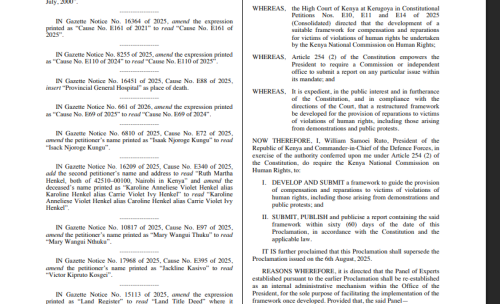
The directive, issued through a presidential proclamation dated February 5, 2026, tasks the constitutional commission with preparing a comprehensive compensation and reparations framework within 60 days.
It effectively shifts responsibility for the process from the Executive to the independent rights body following a landmark ruling by the High Court of Kenya that nullified an earlier presidential plan to use a panel of experts.
You Might Also Like

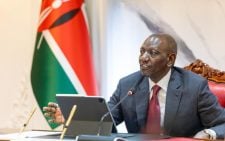
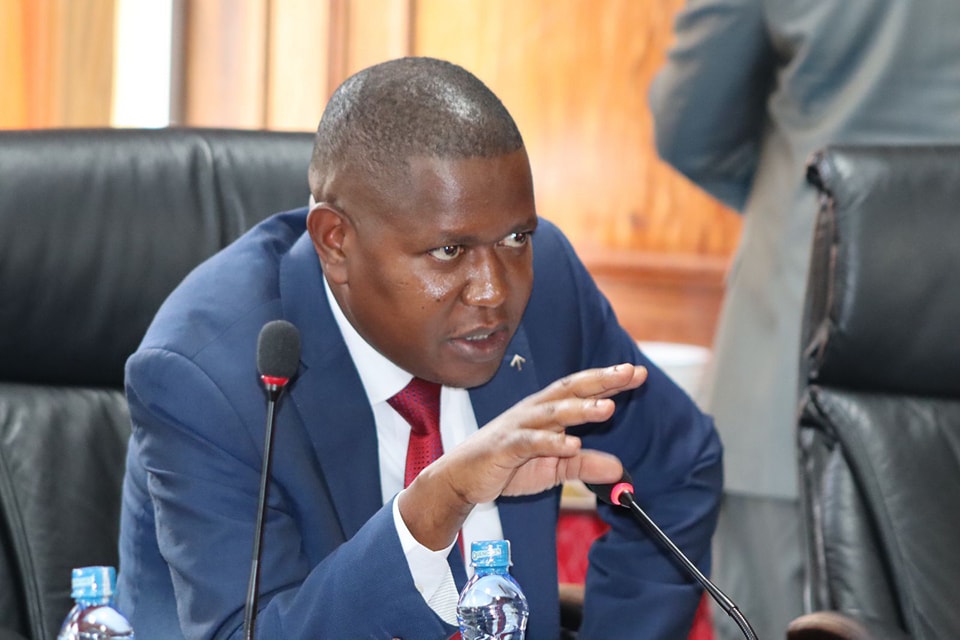
In the proclamation, President Ruto invoked the Constitution’s human rights obligations, stating that the government must ensure justice and healing for victims affected during public protests and demonstrations.
“Article 131(2)(e) of the Constitution requires the President to ensure the protection of human rights and fundamental freedoms and the rule of law,” the notice reads. It further acknowledges that while Kenyans have the right to assemble and demonstrate under Article 37, “there have been regrettable incidents of violence resulting in loss of life and life-altering physical injuries to both civilians and security personnel.”
The directive now requires the rights commission to develop and submit a framework to guide the provision of compensation and reparations to victims of violations of human rights, including those arising from demonstrations and public protests.
“The commission must also submit, publish and publicise a report containing the said framework within sixty (60) days,” according to the proclamation.
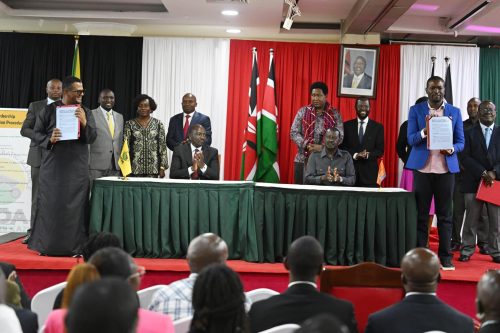
Ruto cornered?
The President’s decision follows a major legal setback for his administration after the Kerugoya High Court nullified the government’s earlier attempt to establish an 18-member panel of experts to oversee compensation for protest victims.
In the ruling, Justice Edward Muriithi declared both the August 6, 2025, presidential proclamation and a subsequent gazette notice unconstitutional. The panel, chaired by constitutional lawyer Makau Mutua, had been tasked with identifying and compensating victims of anti-government protests.

However, the court ruled that the Executive had overstepped its constitutional authority.
“The President is not vested with Constitutional power to constitute a panel of experts to address a framework for compensation for victims of human rights abuses,” Justice Muriithi held.
The court further noted that matters relating to oversight and redress for human rights violations fall squarely within the mandate of the KNCHR, an independent body established under Article 59 of the Constitution.
The ruling forced the government to reconsider its approach and align the process with constitutional institutions.
Kalonzo intensifies political pressure
The latest directive also comes as opposition figures escalate criticism of the government’s reform agenda. Kalonzo Musyoka, leader of the Wiper Patriotic Front, had questioned the slow implementation of the 10-point reform agenda linked to the cooperation pact between President Ruto and the late opposition leader Raila Odinga.
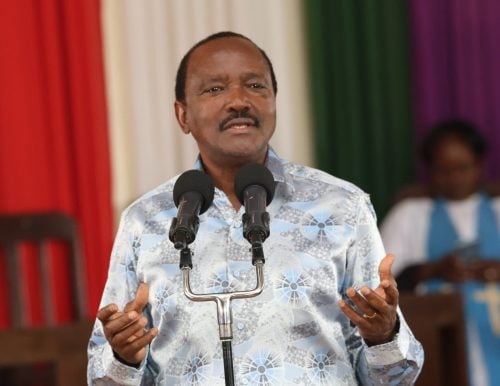
Speaking during a church service in Utawala, Nairobi, Kalonzo argued that the government had failed to translate the agreement into tangible action months after it was announced.
“Now we are almost in March, and the 10-point agenda signed by Raila and Ruto, nothing has happened,” Kalonzo told congregants.
He said the framework should have been implemented through an independent institution rather than a politically driven committee.
“If even they were to say a national institution dealing with this matter, which is the Kenya National Human Rights Commission, which has been and should have been charged with the responsibility in the first place,” Kalonzo said.
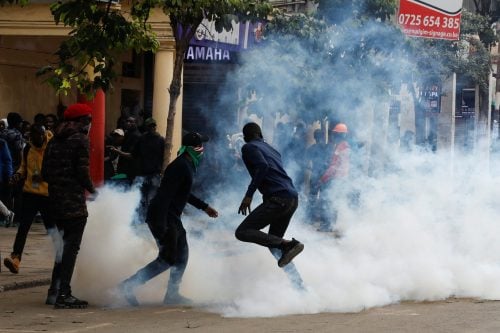
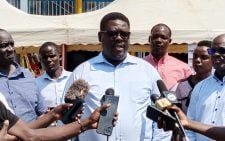
PHOTO/@channelafrica1/X
Balancing justice and accountability
In the new proclamation, the President emphasised that the restructuring of the process aims to ensure transparency, accountability and constitutional compliance.
The earlier panel of experts will now be re-established only as an internal administrative mechanism within the Office of the President to support implementation once the KNCHR completes its framework.
However, the proclamation clearly states that the panel shall not exercise supervisory authority over the work of the Kenya National Commission on Human Rights (KNCHR).
Instead, its role will be limited to facilitating the implementation of the framework and ensuring that compensation to eligible victims is conducted in a transparent, accountable and timely manner.
Author
Latest News




Advertisement
More on Inside Politics