Advertisement
KNH launches new service to improve survival of preterm babies
Sunday 16th November, 2025 08:18 PM|
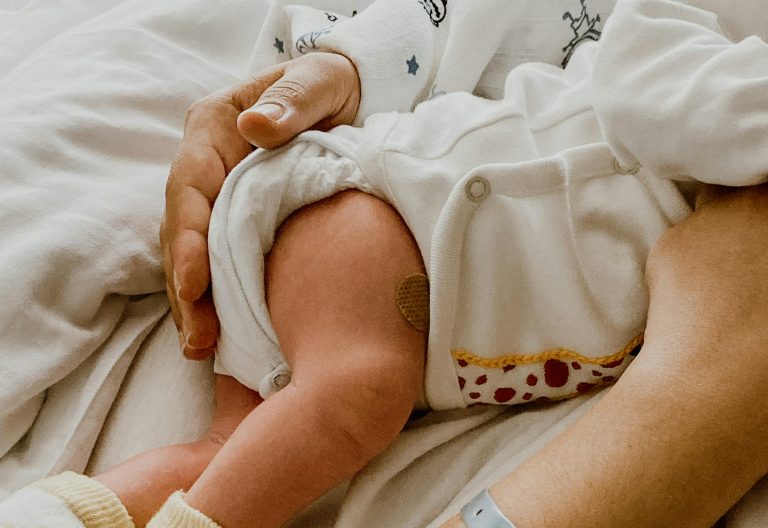
Kenyatta National Hospital (KNH) has taken a significant step toward improving care for preterm babies with the launch of an Immediate Kangaroo Mother Care (iKMC) ward.
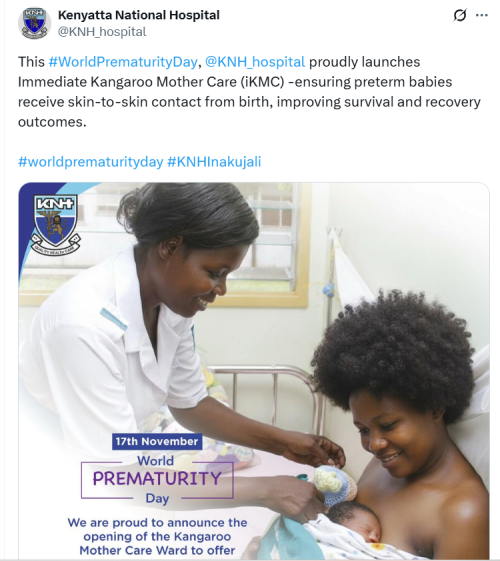
In an X post dated November 16, 2025, the hospital announced, “This #WorldPrematurityDay, @KNH_hospital proudly launches Immediate Kangaroo Mother Care (iKMC) -ensuring preterm babies receive skin-to-skin contact from birth, improving survival and recovery outcomes.”
The initiative coincides with the global observance of World Prematurity Day on November 15, 2025. The World Health Organisation (WHO) noted, “Today is #WorldPrematurityDay. Globally, 1 in 10 babies is born too soon, before 37 weeks of pregnancy. Complications relating to prematurity are the leading cause of child deaths. Small and preterm babies everywhere need special care and attention, starting immediately after birth.”
High preterm burden in Kenya
Kenya continues to face a heavy burden of preterm births, with national prevalence standing at 18.3 per cent, according to studies conducted at major health facilities.
You Might Also Like

This means nearly one in five babies is born before 37 weeks of gestation. Ministry of Health data shows the country records between 134,000 and 193,000 preterm births annually, with 13,300 to 33,600 newborn deaths attributed to prematurity-related complications.
Survivors often experience long-term health and developmental challenges that require ongoing medical attention, increasing pressure on families and the healthcare system due to specialised treatment needs and prolonged hospital stays.
Several risk factors contribute to preterm deliveries, including maternal age below 20 years, high-parity pregnancies, twin gestations, urinary tract infections, pregnancy-induced hypertension, antepartum haemorrhage, and prolonged prelabour rupture of membranes.
These conditions raise the likelihood of early labour, particularly in low-resource settings where survival rates for very preterm babies fall below 50%. About one-third of all neonatal deaths are directly linked to prematurity, slowing progress in reducing child mortality.
Growing need for strengthened neonatal care
Immediate specialised care remains critical for preterm infants to manage complications such as breathing difficulties, infections, and organ immaturity.
Evidence-based interventions, including antenatal steroids, kangaroo mother care, and early initiation of breastfeeding, are credited with preventing up to three-quarters of preterm-related deaths globally.
The introduction of iKMC at KNH, which promotes continuous skin-to-skin contact from birth, aligns with these proven approaches.
However, limited access to Neonatal Intensive Care Units in many facilities continues to hinder comprehensive care. Quality improvement programmes focusing on intrapartum monitoring, postnatal support, feeding, and timely referrals have shown promise in reducing stillbirths and neonatal mortality.
Author
Latest News








Advertisement
More on News