Advertisement
World Prematurity Day: Why Kenya must prioritise preterm babies
Saturday 15th November, 2025 01:58 PM|
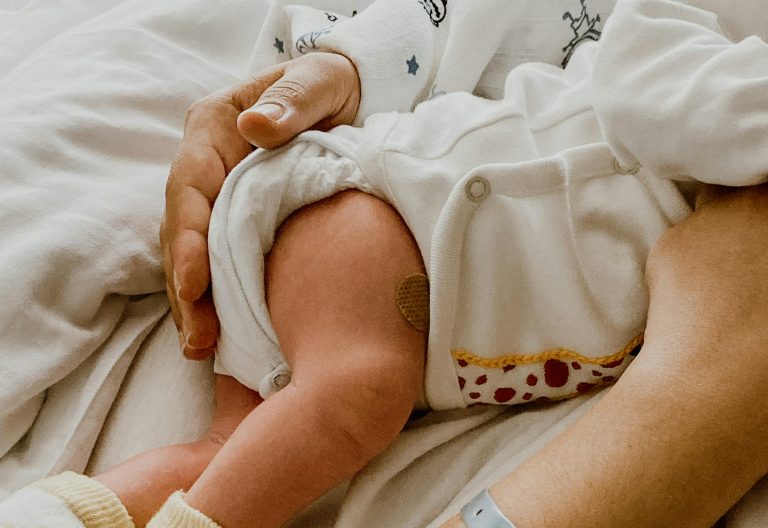
Today, November 15, 2025, marks World Prematurity Day, a global initiative to raise awareness about the challenges faced by preterm babies.
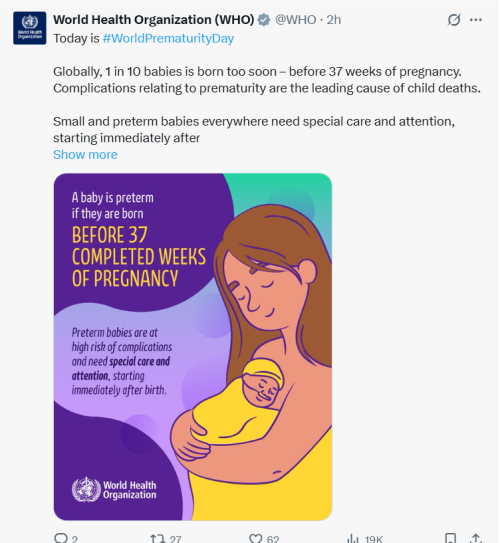
According to a recent statement by the World Health Organisation (WHO), “Today is #WorldPrematurityDay. Globally, 1 in 10 babies is born too soon – before 37 weeks of pregnancy. Complications relating to prematurity are the leading cause of child deaths. Small and preterm babies everywhere need special care and attention, starting immediately after birth.”
Also Watch: Embu governor refutes that 5 babies died due to power blackout
This highlights a critical health issue that demands urgent attention, particularly in Kenya, where the prevalence of preterm births and associated mortality rates underscore the need for prioritised action.
You Might Also Like


In Kenya, the prevalence of preterm birth stands at 18.3%, as documented in studies conducted at major health facilities. This figure indicates that nearly one in five babies is born before completing 37 weeks of gestation, placing them at significant risk of complications.
Kenya records approximately 134,000 to 193,000 preterm births each year, highlighting the scale of the challenge, according to the Ministry of Health.
Of these, an estimated 13,300 to 33,600 newborns die annually due to complications related to prematurity. Survivors often face long-term health and developmental challenges, including disabilities that require ongoing medical attention and support.
The high prevalence of preterm births also places a significant financial burden on families and the healthcare system, as specialised care, prolonged hospital stays, and follow-up interventions drive up costs and strain limited resources.
Factors driving preterm births in Kenya
Globally, an estimated 1 in 10 babies are born preterm each year, a number that continues to rise.
In Kenya, factors such as maternal age below 20 years, pregnancies with more than four children, twin gestations, urinary tract infections, pregnancy-induced hypertension, antepartum haemorrhage, and prolonged prelabour rupture of membranes are significantly associated with preterm deliveries. These conditions increase the likelihood of early labour, necessitating robust preventive and responsive healthcare measures.
The burden of preterm birth is particularly severe in low-resource settings, where survival rates for very preterm babies fall below 50%.
In Kenya, neonatal deaths linked to prematurity hinder progress toward reducing child mortality, a key health priority. About a third of all neonatal deaths are directly attributed to preterm complications, stalling efforts to meet national and global health targets. This underscores the need for enhanced healthcare infrastructure, especially in rural areas where access to specialised care remains limited.
Preventive strategies are critical to reducing preterm birth rates. Evidence suggests that key interventions, such as counselling on healthy diets, optimal nutrition, and avoiding tobacco and substance use, can lower the risk.
Regular antenatal care, including at least eight contacts with health professionals starting before 12 weeks of pregnancy, aids in early detection of risk factors like infections and multiple pregnancies through ultrasound. These measures are essential for improving maternal and foetal health outcomes.
Specialised care and intervention
For babies born preterm, immediate specialised care is vital to address life-threatening complications such as breathing difficulties, infections, and underdevelopment. Interventions like antenatal steroids, kangaroo mother care, and early breastfeeding have been shown to prevent three-quarters of preterm-related deaths globally.
In Kenya, the lack of adequate Neonatal Intensive Care Units in many facilities exacerbates the challenge, highlighting the need for investment in healthcare capacity.
Quality improvement initiatives focusing on intrapartum and immediate postnatal care have demonstrated potential in reducing fresh stillbirths and neonatal mortality among preterm and low-birthweight babies.
Such programmes, implemented through cluster-randomised trials, emphasise the importance of monitoring, feeding, and timely referrals for emergency care. Strengthening these efforts in Kenya could significantly lower the preterm birth burden and improve survival rates.
As World Prematurity Day brings global attention to this issue, the focus must remain on enhancing preventive care, expanding neonatal services, and ensuring equitable access to health resources.
Prioritising preterm babies is not only a health imperative but also a necessary step toward reducing child mortality and building a healthier future.
Author
Latest News







Advertisement
More on Lifestyle