Advertisement
Kenya accelerates efforts to phase out children’s homes by 2032
Friday 13th February, 2026 06:34 PM|
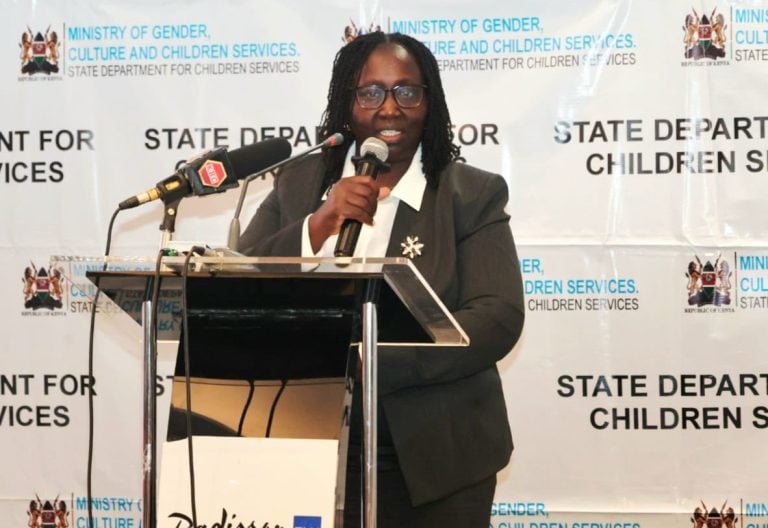
The government is intensifying efforts to transition children from institutional care to family-based systems as part of a broader care reform strategy aimed at phasing out children’s homes by 2032.
Speaking at Mama Ngina Children’s Home in Kisumu on February 13, 2026, Principal Secretary in the State Department for Children Services Carren Angeng’o said the reintegration process has already started.
Care reform strategy
The reforms prioritise family environments to support the holistic growth and development of children.
According to the PS, the Rift Valley region currently has the highest number of children in institutions, standing at 13,000. Nationwide, a total of 44,000 children are living in children’s homes across the country.
You Might Also Like


The care reform strategy, established in 2022, shifts away from long-term institutionalisation in favor of family-based care options. This approach is intended to provide children with stable, nurturing settings that promote their overall well-being.
Angeng’o explained that for children found abandoned or without traceable families, institutional stays will be limited. “If a child is found somewhere, like abandoned, these children will only be allowed to live in the institutions for only six months. The rest of the period we will be able to take them back to society,” she stated.
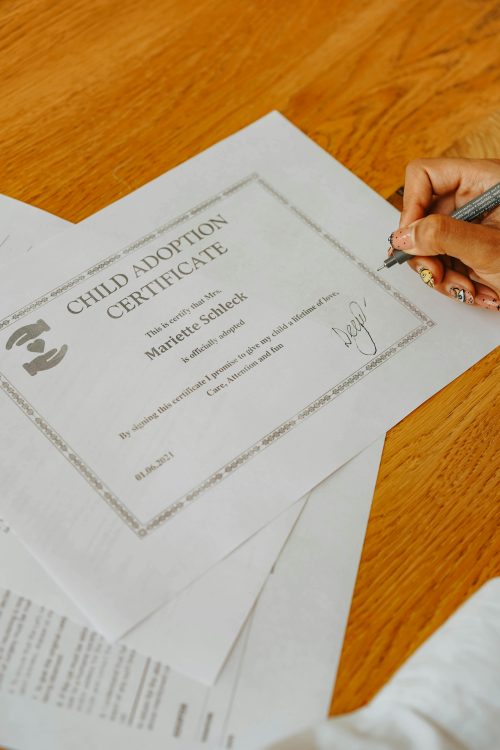
For cases where biological families cannot be traced, the department is promoting alternative family care, including adoption and foster care.
“But for children who we cannot trace their families, we have another option of adoption. We call it alternative family care,” Angeng’o added.
Foster care trainings
The State Department is actively training parents and guardians to become foster parents. The PS encouraged members of the public to participate in the training programs.
“We are training parents to be foster parents. Anybody, we encourage the public to come to this training. If you want a child, we will be able to facilitate you and take a child. But after you have proved that you are a trained foster care parent,” she said.
The training ensures that prospective foster and adoptive parents meet necessary standards to provide safe and supportive homes. This process includes vetting and facilitation by the department to safeguard children’s rights and interests.
The initiative aligns with the Children’s Act 2022, which introduced changes to child protection laws and emphasises family-based care over institutional settings.
By limiting institutional time and expanding family reintegration and alternative care options, the government aims to reduce reliance on children’s homes and improve outcomes for vulnerable children.
Efforts continue to identify and trace families for reintegration while building capacity for foster and adoptive placements through ongoing training. The PS reiterated the call for public involvement to support the successful implementation of these reforms.
Author
Latest News








Advertisement
More on News