Advertisement
Kagwe pushes Parliament to speed up farm laws in food self-sufficiency drive
Saturday 11th April, 2026 01:16 PM|

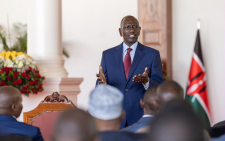
Agriculture and Livestock Development Cabinet Secretary Mutahi Kagwe has called on Parliament to fast-track key agricultural legislation as the government seeks to strengthen food production and reduce reliance on imports.
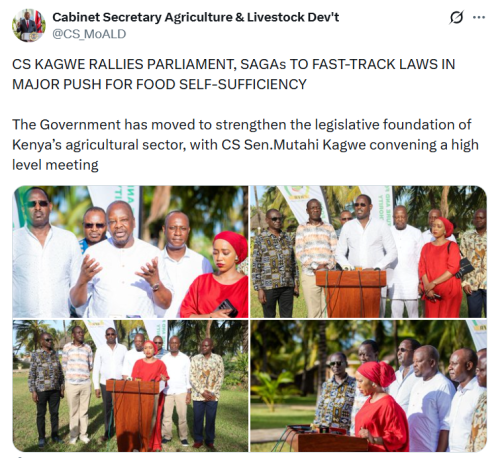
Kagwe spoke during a consultative meeting that brought together State Agencies (SAGAs) under the Ministry of Agriculture and Agriculture Committees from both the National Assembly and the Senate.
The discussions posted on X post dated April 11, 2026, focused on aligning laws, policy and budget priorities to support local production, strengthen value chains and expand export opportunities.
“This country spends billions of shillings importing food that we have the capacity to produce locally. We cannot afford to continue exporting jobs and opportunities through imports,” Kagwe said during the meeting.
Push for legislative reforms
You Might Also Like
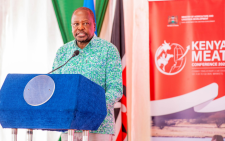
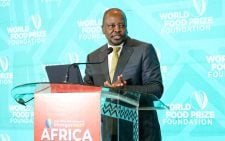

The Cabinet Secretary said existing legislation must be updated to match the needs of a modern agricultural sector.
He told lawmakers and agencies that faster passage of key agricultural bills would help address production gaps, strengthen value addition and improve market access for farmers.
Principal Secretary for Livestock Jonathan Mueke called for closer coordination between the ministry and Parliament to ensure reforms move through the legislative process more quickly.
National Assembly Agriculture Committee Chair John Mutunga said there is need for a coordinated national strategy to address reliance on imports and increase domestic production.
He pointed to edible oils as one of the areas requiring targeted interventions to reduce import dependence.
Agriculture and Food Authority Acting Director General Calistus Kundu urged institutions to prioritise procurement of locally produced agricultural commodities and strengthen linkages between farmers and markets.
Budget concerns and sector priorities
Kagwe also highlighted funding constraints within the sector, noting that agriculture contributes more than 25 percent of Kenya’s Gross Domestic Product but receives about three percent of the national budget.
He said increased investment would support efforts to shift the country from a consumption-driven economy to a production-driven one. Data from the ministry shows the sector has recently recorded gains, including higher maize production and tea earnings reaching Sh218.79 billion in 2025.
The meeting also discussed the need to expand support for farmers through improved extension services, better market structures and increased financing.
Senator Hezena Lemaletian called for greater investment in agricultural education and financing opportunities for young people interested in agribusiness.
Government programmes and reforms
In a related development in Malindi, Kagwe presided over the signing of performance contracts for the 2025/26 financial year by agencies under the ministry. The exercise is part of efforts to strengthen accountability and improve delivery of government programmes.
The government has also continued to expand digital registration of farmers through the Kenya Integrated Agricultural Management Information System (KIAMIS).
More than 7.2 million farmers have been registered in the system, enabling targeted distribution of subsidised fertiliser and seeds during the current planting season.
Kagwe said agencies under the ministry must focus on improving service delivery, strengthening internal revenue generation and aligning their work with national development priorities.
He added that the sector remains central to economic growth, employment and food security, and called on institutions to ensure reforms translate into increased production and better returns for farmers.
Author
Latest News






Advertisement
More on News