Advertisement
Inside govt’s billions to combat drought as humanitarian crisis deepens in 23 counties
Tuesday 10th February, 2026 06:56 AM|

The government is committing billions of shillings each month to fight a deepening drought that has pushed millions of Kenyans into food insecurity, as at least 23 counties grapple with a growing humanitarian crisis.
Under the current drought response plan, the State will spend ksh4 billion every month to procure food and non-food items, livestock feed and water. The intervention targets drought-affected communities, as well as livestock and wildlife, in arid and semi-arid areas where conditions have continued to deteriorate.
In addition to the monthly allocation, the government has appealed to development partners to inject an extra Ksh2 billion into the response. The State say the combined funding is meant to strengthen ongoing interventions and prevent the situation from worsening.
Speaking during a press conference on Monday, February 9, 2026, Deputy President Kithure Kindiki said the drought has now affected about 3.3 million people nationwide, with 23 counties requiring urgent support.
You Might Also Like


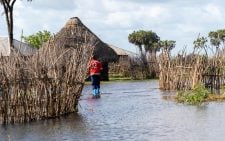
“The performance of the last rain. The October-December season was sub-optimal. They did not perform very well, so up to 23 counties need support in terms of human food, livestock food and other drought mitigation interventions,” Kindiki stated.
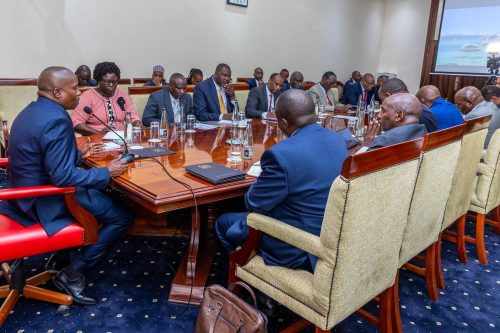
Counties such as Wajir, Marsabit, Mandera and Lamu are among the hardest hit, reporting severe food shortages following consecutive poor rainy seasons. The failure of the 2025 short rains has compounded the crisis, leaving households with little harvest and dwindling water sources.
Water scarcity
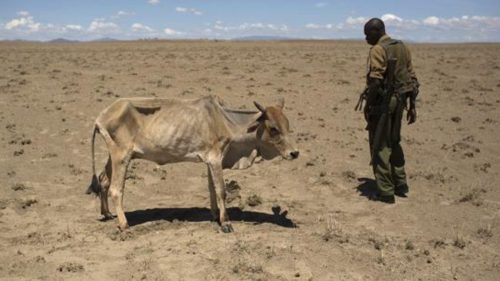
Meteorological data show that the October to December rains delivered only 30 to 60 per cent of the long-term average in most areas. In parts of eastern Kenya, it was the driest season recorded since 1981, significantly undermining crop production and pasture regeneration.
Beyond food relief for households, the government says it is prioritising school feeding programmes to protect education outcomes in affected regions.
“We also need food to reach schools to ensure that learning is not interrupted,” Kindiki said, adding that the government has reviewed ongoing interventions and resolved to diversify food supplies to address the needs of “sensitive and special sections of society.”
He emphasised that access to food remains a key factor in keeping children in school, especially in drought-prone areas where families often withdraw learners during times of crisis.
“Overall, 3.3 million people across the country are affected, and they also need food to reach our schools to make sure our learners are not affected,” he said.
Data from the National Drought Management Authority (NDMA) paint a similar picture, estimating that about 2.1 million people in arid and semi-arid counties are already affected by the drought, with numbers expected to rise if conditions persist.
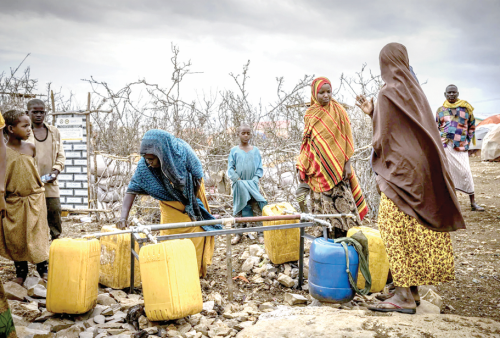
Humanitarian organisations have raised alarm over worsening nutrition indicators, particularly among children. In a statement issued to newsrooms last week, the Kenya Red Cross Society said eight counties are currently experiencing a critical phase of drought.
The agency warned of severe deterioration in nutrition, estimating that about 784,000 children are malnourished, while nearly 300,000 households lack adequate food supplies.
The government has previously released funds to cushion vulnerable communities. In January 2026, it disbursed Ksh6 billion to support drought mitigation measures, including food distribution, livestock protection and water interventions.
However, Kindiki acknowledged that the scale and duration of the drought require sustained financing and coordination with partners, as dry conditions linger and forecasts remain uncertain, the success of the response will largely depend on timely funding, efficient distribution and the ability to reach the most vulnerable populations before the crisis deepens further.
Author
Latest News





Advertisement
More on News