Advertisement
How Sudan’s war became East Africa’s crisis – report
Sunday 07th June, 2026 12:10 AM|
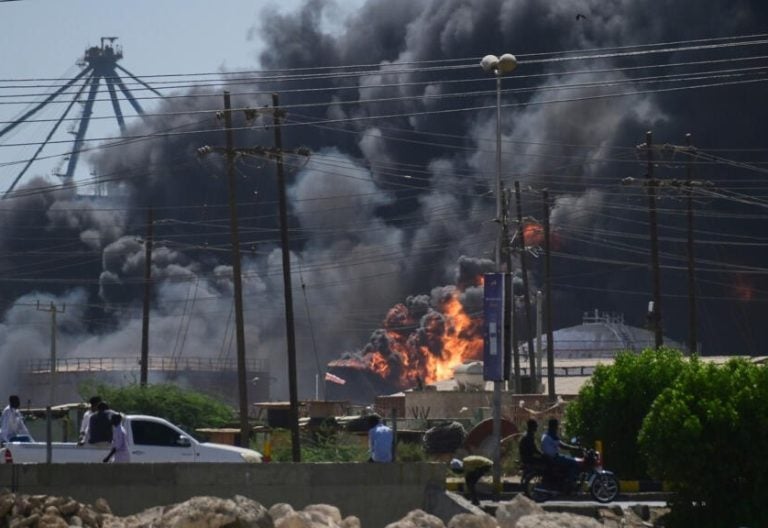
When fighting erupted in Sudan in April 2023, many East African governments viewed it as a tragic but distant conflict. More than three years later, the war has evolved into one of the region’s most significant humanitarian, security and economic crises.
What began as a power struggle between Sudan’s military and the Rapid Support Forces (RSF) has triggered mass displacement, widespread atrocities and growing instability that is increasingly spilling across borders.
From refugee settlements in Uganda to security concerns in South Sudan and trade disruptions affecting Kenya, Sudan’s war is rapidly becoming East Africa’s crisis.
The warning is echoed in the African Union’s latest human rights assessment, which describes Sudan as one of the continent’s gravest emergencies. The report highlights escalating attacks on civilians, widespread displacement, sexual violence, destruction of infrastructure and growing humanitarian needs.
You Might Also Like

“The conflict in Sudan continues to result in grave human rights violations and abuses against civilians,” the report notes, warning that the violence is destabilising neighbouring countries and stretching regional response mechanisms.
For families fleeing the conflict, those warnings reflect a daily reality.
At transit centres along Sudan’s borders, thousands continue to arrive after weeks of dangerous journeys. Many have fled bombardments, armed attacks and food shortages. Children make up a significant proportion of those displaced, while humanitarian agencies warn that millions remain at risk of hunger and disease.
The scale of displacement is unprecedented in the region.
According to international humanitarian agencies, Sudan’s conflict has generated one of the world’s largest displacement crises, forcing millions from their homes and sending hundreds of thousands into neighbouring countries. The pressure is increasingly being felt across East Africa’s already strained humanitarian systems.
Uganda, long regarded as Africa’s most open refugee-hosting nation, continues to receive arrivals despite facing funding shortages. Refugee settlements are struggling to accommodate growing numbers as aid agencies warn of worsening resource constraints.
South Sudan faces an even more complex challenge.
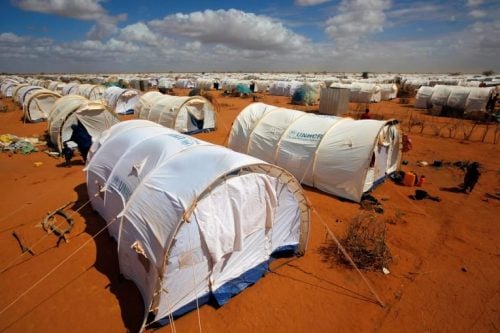
Many refugees are crossing into a country already grappling with political fragility, economic hardship and periodic violence. The return of South Sudanese citizens who had previously sought refuge in Sudan is placing additional pressure on communities with limited access to healthcare, education and employment.
Ethiopia is also feeling the effects.
Border regions have witnessed increased movements of displaced people while humanitarian organisations are balancing Sudan-related emergencies alongside existing domestic challenges. Security analysts warn that prolonged instability in Sudan could create new opportunities for armed groups and criminal networks operating across porous borders.
For Kenya, the consequences may appear less visible, but they are no less significant.
Failed peace talks?
As East Africa’s diplomatic and commercial hub, Kenya has played a central role in regional mediation efforts. Continued instability in Sudan threatens trade routes, investment flows and broader regional economic integration. The conflict has also intensified demands on international humanitarian financing, diverting resources from other crises across the Horn of Africa.
The war is also reshaping regional security calculations.
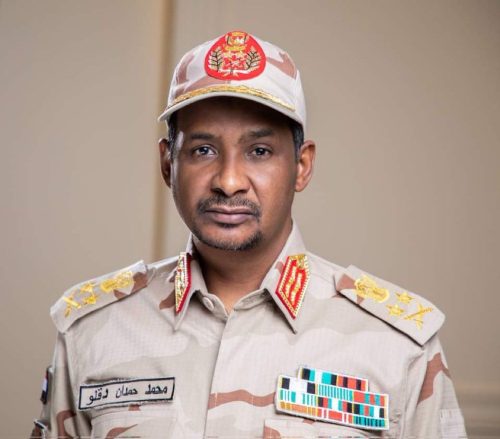
Recent battlefield developments have demonstrated that neither side is capable of securing a decisive victory. As fighting continues in key urban centres and strategic territories, fears are growing that Sudan could face deeper fragmentation if political negotiations remain stalled.
The African Union report warns that the persistence of armed conflict risks undermining peace and security across the wider region. The longer the war continues, the greater the likelihood of cross-border instability, weapons trafficking and prolonged humanitarian dependence.
Yet despite the growing regional consequences, diplomatic progress remains limited.
Mediation efforts involving African and international actors have repeatedly struggled to secure lasting ceasefires. While negotiations continue intermittently, civilians remain trapped between competing armed forces and a deteriorating humanitarian situation.
For East Africa, the lesson is becoming increasingly clear.
Sudan’s war can no longer be viewed as a national crisis confined within one country’s borders. Its consequences are already reshaping migration patterns, straining humanitarian systems, disrupting trade and testing regional security architectures.
The African Union’s warning is therefore not only about Sudan’s future. It is about East Africa’s future as well.
Author
Latest News








Advertisement
More on News