Advertisement
Heat risks among elderly grow 85% as global warming turns catastrophic
Saturday 12th July, 2025 03:20 AM|

As global temperatures continue to rise due to climate change, the United Nations has warned that heatwaves pose significant health risks to older people, exacerbating preexisting conditions and increasing the likelihood of heatstroke, dehydration, and cardiovascular strain.
The UN said that changes in weather have also resulted in exposure to polluted air and water, chemicals and food contaminants, further exposing the old people to rapid health decline and increased vulnerability to more illnesses.
In a report dubbed, The Weight of Time – Facing a new age of challenges for people and ecosystems, the global body argued that extreme heat can be deadly for older populations given their reduced ability to regulate body temperature.
“Their vulnerability can be tracked as a pattern, where older people experience high rates of illness and death during extreme heat and cold events among various age groups,” the report released by the United Nations Environment Programme (UNEP) reads in part.
You Might Also Like
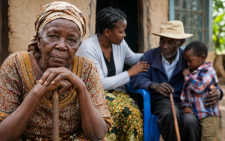

Globally, it is estimated that the population aged 65 years and older worldwide will rise from 10 per cent in 2024 to 16 per cent by 2050, while those aged 80 and older will increase threefold, with most concentrating in low- and middle-income countries.
Kenya National Bureau of Statistics indicates that as of 2024, there were 2.9 million people aged 60 years and above in the country, with the agency projecting that the number may rise to above six million by 2045.
In 2022, Kenya was among the countries recording four to six heatwave days per person per year, experienced by older adults aged 65 years and older.
Other countries within this range included China, Democratic Republic of Congo (DRC), Ethiopia, Nigeria and Spain.
“Projections indicate that heatwaves will become more intense, frequent and persistent in nearly all regions (globally). As heatwaves intensify, scientists warn of the amplified danger when extreme heat and humidity combine. Higher humidity tends to limit the human body’s ability to cool itself through the evaporation of sweat,” the UN said.
Older populations, the report said, are more likely to suffer from medical conditions and age-related health issues that make them particularly sensitive to environmental hazards.
The UN agency explained that ageing bodies have a reduced capacity to compensate for the adverse effects of environmental stressors and a weakened immune response to protect against infections and diseases
It further stated that, when extreme conditions such as storms, floods and wildfires, occur older people suffer disproportionately from an increased risk of injury and mortality, especially those with chronic health conditions those living in low-income and deprived communities and those living in areas with high levels of multi-hazard risk such as low-lying coastal zones and floodplains
“Limited mobility and poor cognitive functioning also put some older people at greater risk during extreme weather events,” the report said.
Additionally, UNEP stated that urban centres usually experience higher temperatures than surrounding rural areas because buildings, pavement, and other artificial surfaces trap, retain and re-radiate heat.
“This urban heat island effect and heat waves interact synergistically, exposing urban residents to greater heat and amplifying health risks,” the agency said.
But even as the world grapples with an ageing trend in the population, the world is also becoming increasingly urbanised, with approximately 57 per cent of its population currently living in cities, a number set to rise to 68 per cent by 2050.
UNEP noted that the increase in urbanisation is particularly evident in developing regions, with 58 per cent of people aged 60 and older residing in cities in 2015.
“The proportions of older urban residents are growing steadily. Many older people seek urban living to access better healthcare facilities, vital social activities, and dependable public transit, among other benefits. A rising number of cities will therefore soon face the new reality of increasingly ageing urban dwellers,” the agency said.
“Vulnerability to heat also increases among those living in social isolation and in overcrowded urban areas. Pre-existing health conditions and the weakened physical strength of many older people, sometimes coupled with a diminished capacity to assess the situation, can increase their dependency on help from younger family members and others.”
However, the UN body said the consequences of environmental and climate threats for ageing populations will vary across regions, but emphasised that older people, as a group, are at risk from these consequences due to their increasing physical and psychological limitations.
According to UNEP, climate-related disasters exert substantial pressure on people’s physical and mental well-being.
“Chronic health conditions and general frailties make the physical hazards from extreme weather events more challenging or even life-threatening, given the reduced mobility experienced by many older persons,” the report added.
“They are more likely to experience mobility, cognitive, sensory, social, and economic limitations that can impede their adaptability and ability to function during disasters.”
Shockingly, the UN warned that heat stress on humans, combining air temperature with relative humidity, the exposure to dangerous heat levels will likely double for people living in the tropics (Africa, Asia, Central America and Oceania countries) and reach three to 10 times for some living in the mid-latitudes.
The UN underscored the need to maintain good health and vitality at any age, adding that it minimises risk factors for diseases in old age.
“Exposure to environmental stressors and pollutants in old age, combined with the effects of lifetime exposure, may promote the development and progression of a wide range of age-related non-communicable diseases, accelerating ageing processes, and other health issues,” the report added.
UNEP added that climate-related disasters significantly increase the social burden on older people, particularly older women, given their traditional caregiving and domestic responsibilities in many parts of the world.
“The needs of older people and their responsibilities and extra burdens are often overlooked in disaster preparedness planning and, consequently, during the response,” the agency said.
Author
Samuel Kariuki
View all posts by Samuel KariukiLatest News







Advertisement
More on News