Advertisement
Going paperless? Govt plans to phase out physical examinations
Thursday 21st May, 2026 10:56 AM|
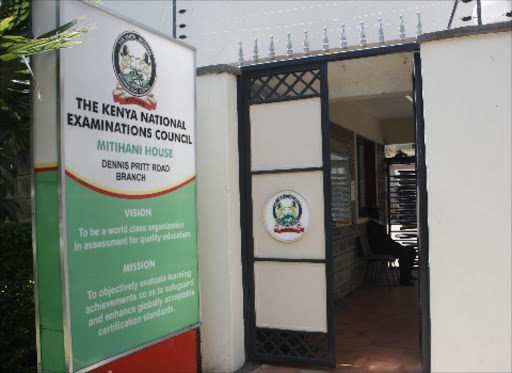
The Ministry of Education has announced plans to phase out physical exams from the education system in the coming years in a bid to address the huge cost implications.
The move seeks to introduce paperless exams in schools, a plan that has already been introduced and piloted in over 30 teacher colleges.
For years, the ministry had used physical exams and invested millions every year in ferrying the exam papers to various parts of the country.
According to Elyas Abdi, the Director General for Basic Education, the ambitious plans would save the country billions of shillings being gobbled up to print exams every year.
You Might Also Like


Abdi said they would partner with KNEC to enhance electronic assessment of learners in the future as part of key reforms to streamlining the education sector.
“Exam issues in this country have been an expensive affair, and paperless exams seek to address this in the coming years,” said Abdi.
Abdi noted that the ministry was working with other stakeholders in making sure that the planned transition in the coming years was successful.
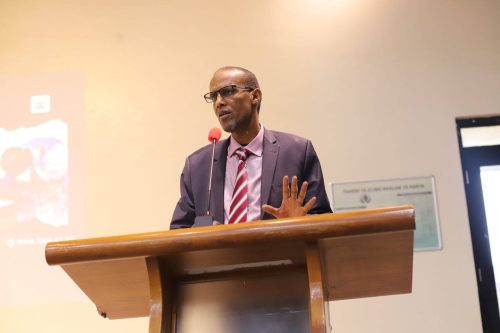
Education policy dialogue forum
In addition, Abdi said grade 10 learners had since settled in their selected pathways, with the design for grade 12 materials completed while teacher training was underway.
“We had some teething in the transition of students from junior to senior secondary schools, but this has since been addressed,” he said.
Speaking in Naivasha on Wednesday, May 20, 2026, the Director General urged education stakeholders to adopt research recommendations in addressing gaps in the sector during a national knowledge-sharing and policy meeting.
He added that the government was committed to strengthening sector policies and enhancing education for all.
On his part, Hassan Ali, the Public Secretary, Ministry of Education, Culture and Higher Education for Somalia, said that the country had made tremendous growth in reviving the sector.
Ali said the Somali government had enhanced its financing of the education sector to ensure improved access and quality.
He added that the administration was addressing gaps in accessing education, including reaching the pastoral communities and those living in far-flung areas.
James Njogu, the acting CEO for UNESCO, noted that the meeting was geared towards harnessing research to inform policies and decision-making for the education sector.
He noted that they were currently supporting nine projects around the country and were working on a report that would offer key recommendations to strengthen the education sector.
Author
People Daily Digital Reporter
View all posts by People Daily Digital ReporterLatest News




Advertisement
More on News