Advertisement
Fred Ogola: Kenya’s problem is economic, not political
Monday 25th May, 2026 10:13 AM|
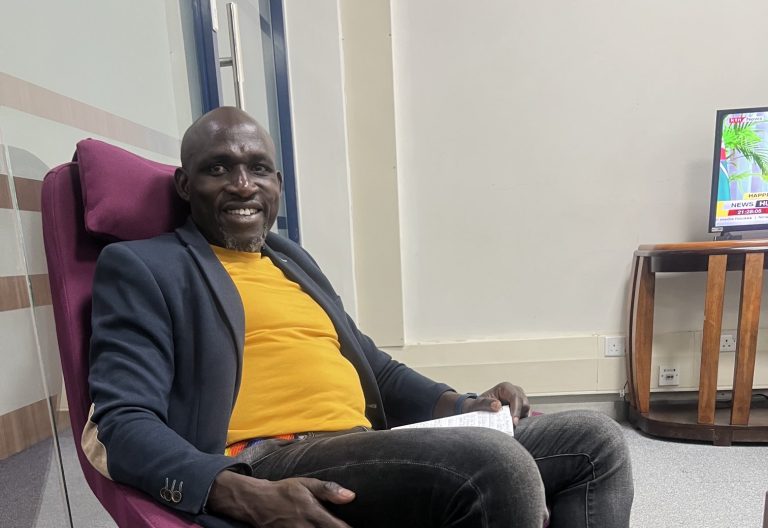
Economist Fred Ogola has sparked national debate after arguing that Kenya’s biggest challenges are rooted in the economy rather than politics, insisting that sustainable solutions must begin with the right diagnosis of the country’s problems
Speaking during an interview with K24 TV station on Monday, May 25, 2026, Ogola said he wants to be remembered as a thinker who identified a single pathway to solving Kenya’s persistent challenges, which he believes are largely driven by economic mismanagement.
“I would like to be known by Kenyans as the man with the single bullet to the Kenyan problems. The right answer begins with the right question. What is the Kenyan problem? It is economic, not political,” Ogalla said.
Economic roots of national challenges
Ogola argued that while political debates dominate public discourse, many of the country’s recurring issues, such as unemployment, rising cost of living, and inequality, stem from structural weaknesses in the economy.
You Might Also Like

He maintained that shifting focus from political rivalry to economic productivity, investment, and job creation would provide a more sustainable foundation for national development.
“The Kenyan problem is economic, not political. That is why I disagree with all the politics that are going on because they are running away from the Kenyan problems,” Ogolla said.
He further highlighted worsening economic indicators, noting that youth unemployment stands at 60 per cent, while public debt is projected to hit Ksh14 trillion.
Ogolla also pointed to inflation levels of about 8 per cent, arguing that the situation has made life increasingly difficult for pensioners, especially those earning less than 8 per cent in returns, leaving many unable to sustain basic needs.
“Some people cannot afford three meals a day,” he added, underscoring the severity of the cost-of-living crisis.
According to him, Kenya risks remaining trapped in a cycle of political competition unless leaders begin prioritising economic transformation and practical policy implementation over election-driven rhetoric.
Call for policy shift
The economist’s remarks come at a time when Kenyans continue to grapple with high living costs and public debt concerns, issues that have increasingly shaped political conversations across the country.
He urged policymakers to reframe national debates around economic solutions, warning that failure to do so could deepen public frustration and slow down development progress.
Ogola further suggested that education, industrial growth, and innovation should form the backbone of Kenya’s long-term strategy, rather than short-term political contestation.
Debate ignited
His statement, some Kenyans agree that economic hardship is the country’s central challenge, while others argue that governance and political leadership remain equally important in addressing national problems.
Analysts say Ogola’s remarks are likely to fuel further debate on whether Kenya’s development trajectory is being hindered more by policy failures or political competition as the country looks ahead to future elections.
Author
Latest News




Advertisement
More on News