Advertisement
Environment CS highlights new initiatives to drive the 15B tree programme
Saturday 06th December, 2025 07:42 AM|
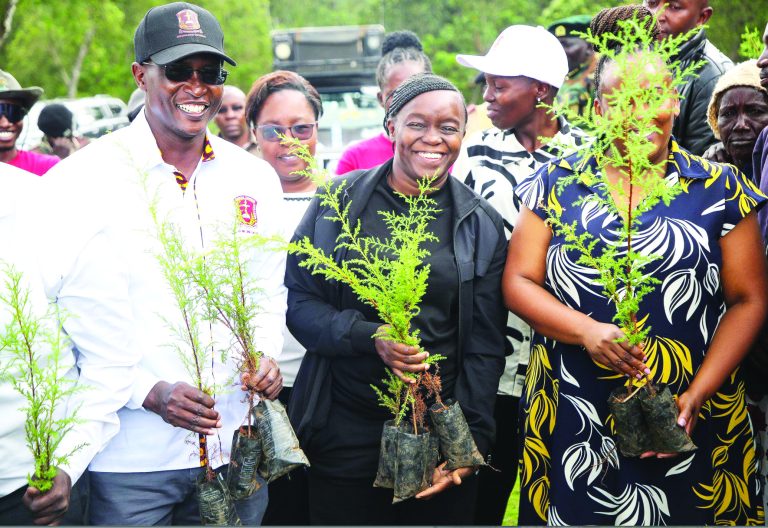
Environment Cabinet Secretary Deborah Barasa has given an update on how the government intends to actualise the 15-billion-tree programme introduced under President William Ruto’s administration in response to worsening climate change.
Speaking on a local TV station on Friday, December 5, ahead of the United Nations Environmental Assembly (UNEA-7) that is scheduled to take place in Nairobi, she assured the country that the 15-billion-tree target set for 2032 remains on course.
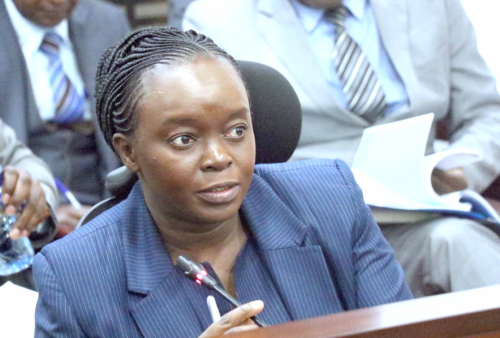
She noted that the programme is aligned to the Bottom-Up Economic Transformation Agenda, designed to boost the economy, create jobs, restore ecosystems, and strengthen climate resilience.
“When you look at the 15 billion tree growing, it’s really aligned to the bottom-up economic transformation agenda, and that is how we approached it,” she said
15B tree programme
You Might Also Like

According to Barasa, the ministry has already developed key regulatory frameworks and strategic documents supporting the programme.
These include plans on agroforestry and commercial forestry, among others, all aimed at driving economic growth while expanding opportunities for employment.
She added that the government also moved beyond policy work to focus on operational structures required to support the programme.
“We wanted to ensure that we are building on our economy and we are creating jobs as we restore our ecosystem and as we look at climate resilience, and so for the 15 billion, what we did was we had the regulatory frameworks ready,” she added.
As part of the operational plan, the ministry has expanded seed production and is now shifting focus to the mass production of seedlings.
Tree nurseries
She noted that, with the support of President Ruto, more than 317 tree nurseries have been established across the country.
These nurseries are expected to produce 1.5 billion seedlings, which will then be planted nationwide. Barasa expressed confidence that the target is achievable, emphasising the importance of community ownership, public participation, and building a national culture of tree growing.
“For the operational plan, what we’ve done is increase seed production, and now we are moving to seedling production, and by the help of his Excellency, the President, we will have more than 317 tree nurseries all across the country that should be able to produce 1.5 billion seedlings,” she said.
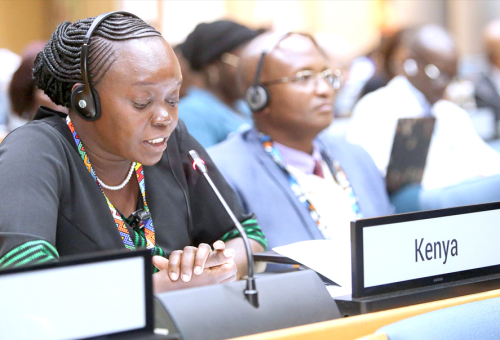
Ahead of UNEA-7, which is set to begin on Monday, December 8, 2025, in Nairobi, the Cabinet Secretary highlighted the significance of Kenya hosting the event.
She described it as a privilege for the country to host the world’s highest environmental decision-making body, bringing together ministers, experts, civil society, and development partners to deliberate on global environmental issues.
Barasa stressed the urgent need for coordinated action in tackling environmental challenges, noting that the world is currently grappling with multiple overlapping crises, including climate change, pollution, and widespread ecosystem degradation.
She affirmed that the upcoming discussions will focus on sustainability, resilience, and developing practical solutions capable of addressing the most pressing environmental priorities globally.
Author
Latest News



Advertisement
More on News