Advertisement
Duale calls for accelerated pharmaceutical manufacturing across Africa
Monday 15th June, 2026 10:22 PM|
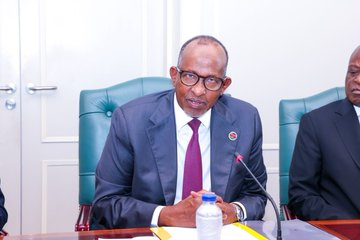
Health Cabinet Secretary Aden Duale has called on African countries to accelerate pharmaceutical manufacturing to strengthen health security and reduce dependence on imported medicines, vaccines and diagnostics.
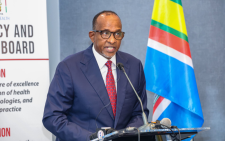
Speaking on the sidelines of the Africa Health Exhibition Conference 2026 in Cairo, Duale said lessons from the COVID-19 pandemic highlighted the need for stronger local production capacity across the continent.
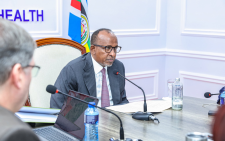
The conference was hosted by Egypt’s Minister of Health, Dr. Khaled Abdel Ghaffar, and brought together policymakers and health sector stakeholders to discuss strategies for improving healthcare systems in Africa.
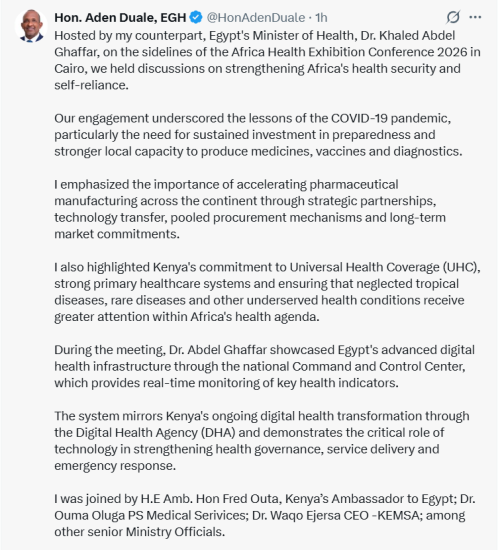
“Our engagement underscored the lessons of the COVID-19 pandemic, particularly the need for sustained investment in preparedness and stronger local capacity,” read Duale’s X post dated June 15, 2026 in part.
Continental health security agenda
You Might Also Like
Duale urged African governments to pursue strategic partnerships, technology transfer, pooled procurement mechanisms and long-term market commitments to support pharmaceutical production.
He said stronger manufacturing capacity would enhance access to essential medicines and contribute to the continent’s broader health security agenda.
The Cabinet Secretary also highlighted Kenya’s efforts to advance Universal Health Coverage (UHC), strengthen primary healthcare services and address neglected tropical diseases, rare conditions and underserved populations.
During the meeting, Egypt showcased its national digital health Command and Control Center, which enables real-time monitoring and coordination of health services. Duale said the initiative mirrors Kenya’s ongoing digital health reforms through the Digital Health Agency.
He was accompanied by Ambassador Fred Outa, Principal Secretary Dr. Ouma Oluga, KEMSA Chief Executive Officer Dr. Waqo Ejersa and other senior government officials.
Challenges facing local healthcare systems
According to the 2025 Kenya Annual Report by the Africa Resource Centre (ARC), counties continue to allocate a limited share of their budgets to medical commodities, resulting in supply gaps and reliance on imported products.
The report shows that budget allocations met demand forecasts in only 21 to 71 per cent of cases, contributing to recurring shortages in health facilities. It also found that only 20 per cent of medicines listed under the Kenya Essential Medicines List (KEML) are produced locally.
The report further notes that nearly 51 per cent of counties remain at the lowest maturity levels in supply chain management despite years of devolution.
ARC called for greater local ownership and sustainable reforms to strengthen medicine availability and improve healthcare delivery across the country.
Traditional medicine bill under review
Meanwhile, Parliament is considering the Traditional and Alternative Medicine Practitioners Bill, 2026, sponsored by Endebess MP Robert Pukose.
The proposed law seeks to regulate a sector estimated to serve millions of Kenyans through approximately 40,000 practitioners.
The Bill proposes the establishment of a regulatory council to oversee licensing, training and quality assurance of herbal and alternative medicine products. It also aims to protect indigenous knowledge and align traditional medicine practice with national healthcare standards.
Lawmakers say the legislation could provide a framework for integrating traditional medicine into the formal health system, similar to models adopted in countries such as India and Tanzania.
The discussions come as African governments continue exploring ways to strengthen healthcare systems, improve access to medicines and build resilience against future health emergencies.
Author
Latest News





Advertisement
More on News