Advertisement
How poor medicine supply systems undermine UHC ambitions – report
Monday 01st June, 2026 06:12 PM|
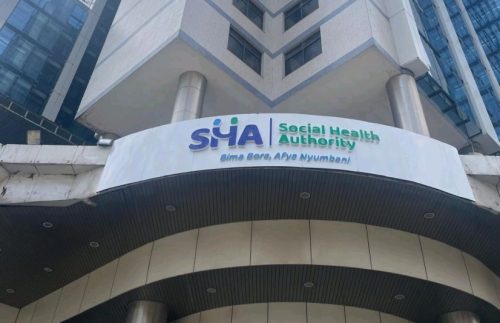
Kenya’s push toward universal health coverage (UHC) is facing renewed scrutiny as the Social Health Authority (SHA) continues to grapple with funding uncertainties and disruptions in medicine supply, exposing deeper structural weaknesses in the country’s health system.
A new 2025 Kenya Annual Report by the Africa Resource Centre (ARC) shows a system struggling to translate policy ambition into reliable access to medicines.
Despite increased health spending under the government agenda, counties continue to allocate only a small share of their budgets to medicines and medical supplies, while relying heavily on fragmented procurement systems and imports.
The report finds that this imbalance is creating persistent shortages and uneven access to essential drugs across the country, raising concerns about whether ongoing reforms, including the rollout of the Social Health Insurance Fund (SHIF) can achieve their intended impact without stronger supply chain foundations.
You Might Also Like



At the county level, financing gaps remain a major bottleneck. The report notes that budget allocations for medicines consistently fall short of demand forecasts.
“The extent to which the allocated budget met the demand forecast ranged between 21 per cent and 71 per cent, which presented limited fiscal space at the county level,” the report states.
Although the National Treasury allocated Ksh138.1 billion to health in the 2025–26 financial year, procurement inefficiencies and weak supply chain financing continue to undermine delivery.
Nearly 15 years after devolution, the report warns that structural weaknesses at county level still affect service delivery, with many counties unable to reliably forecast, procure, and distribute essential medicines.
A baseline assessment across all 46 counties shows that 51 per cent remain in the two lowest maturity levels for health supply chain systems, reflecting limited institutional capacity.
Only 49 per cent of counties have reached acceptable performance standards, pointing to significant inequality in how health services are supported across the country.

Poor policing
Beyond financing and logistics, governance and policy formulation also emerge as critical challenges.
The report reveals weaknesses in the development of pharmaceutical policy, noting that most proposed reforms fail to prioritise equity or evidence-based decision-making.
“91 per cent of the policy actions proposed were found not to promote equity and fairness in access to health products and technologies; they were self-preserving,” the study observes.
ARC further finds that only 38 per cent of policy submissions were supported by evidence, while just six per cent incorporated input from affected communities.
This, it argues, undermines accountability and limits the responsiveness of health policies to real patient needs.
Kenya’s dependence on imported medicines further compounds the challenge. Despite repeated calls to strengthen local manufacturing, the report finds that only 20 per cent of medicines on the Kenya Essential Medicines List (KEML) are produced locally. In critical maternal and newborn care areas, production is even more limited.
“Only Chlorhexidine 7.1 per cent gel, Salbutamol 500mcg injection and magnesium sulphate 500mg/mL injection were being produced locally for key maternal and newborn conditions, each by a single manufacturer,” the report states.
The report situates these gaps within broader continental concerns about pharmaceutical sovereignty, especially following supply chain disruptions experienced during the COVID-19 pandemic.
“A paradigm shift toward strategies that build long-term capacity, sustainability and local ownership rather than short-term project-based interventions,” it urges.

Supply chain reforms
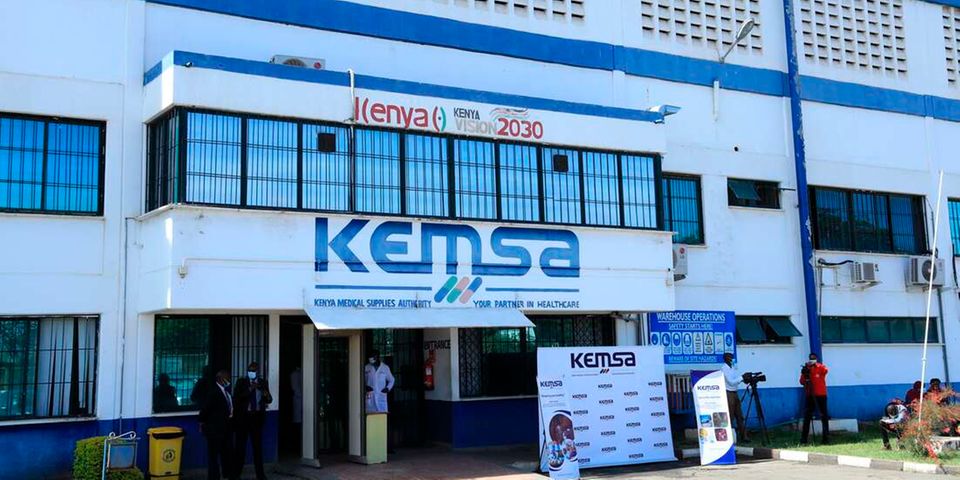
Attention is also drawn to ongoing reforms at the Kenya Medical Supplies Authority (KEMSA), which remains central to the national distribution of medicines.
While efficiency reforms and integrated supply chain systems are projected to reduce distribution costs by up to 15 per cent, the agency continues to face long-standing public concerns over procurement and governance.
Innovations such as the Community Pharmacy Model are being explored to bridge access gaps. The programme allows stable HIV patients to collect medication from accredited private pharmacies rather than public hospitals.
The model has been credited with reducing congestion in hospitals and lowering transport and waiting costs for patients.
“Medicines come near me as opposed to me-go-to medicine, reflecting a shift toward patient-centred distribution systems,” the report states.
However, the report cautions that such innovations alone cannot resolve systemic weaknesses. It emphasises the need for stronger coordination between national and county governments, development partners, and private actors.
“Competing priorities for national teams and misalignment between partner missions and government priorities require ongoing attention, and coordination remains a major barrier to sustainable reform,” it notes.
ARC maintains that success will depend less on new insurance frameworks alone and more on fixing the foundational systems that determine whether medicines actually reach patients when and where they are needed.
Author
Latest News








Advertisement
More on News