Advertisement
Inside SHA crisis as patients flock to bigger hospitals over clinics
Wednesday 11th February, 2026 06:45 AM|

President William Ruto’s ambitious Social Health Authority (SHA) is facing mounting pressure as patients increasingly bypass local clinics for bigger hospitals, exposing deep cracks in the country’s primary healthcare system and threatening the sustainability of the new health financing model.
While SHA is mandatory by law and central to Kenya’s Universal Health Coverage agenda, fresh analysis shows that serious operational gaps are undermining its effectiveness on the ground.
At the root of the crisis is a struggling Primary Health Care (PHC) system that many Kenyans no longer trust to meet their medical needs.
A recent assessment by the Institute of Economic Affairs (IEA), conducted between November 2025 and January 2026, review examined SHA’s three funding pillars, the Primary Health Care Fund, the Social Health Insurance Fund (SHIF), and the Emergency, Chronic and Critical Illness Fund (ECCIF), focusing on financing, pooling of resources, strategic purchasing, and administration.

You Might Also Like


IEA Programmes Coordinator John Mutua said the system is faltering because patients are skipping lower-level facilities and heading straight to Level Four and Five hospitals.
“Many people ignore the Primary Healthcare Fund and take patients to Level Four or Five hospitals due to a lack of specialists, and this undermines SHA,” he said on Tuesday, February 10, 2026.
Under the SHA model, primary healthcare facilities are designed to be the first point of contact. They are expected to manage routine cases and refer complicated ones up the chain.
But in many parts of the country, these facilities remain understaffed, poorly equipped, and unable to offer specialised services.
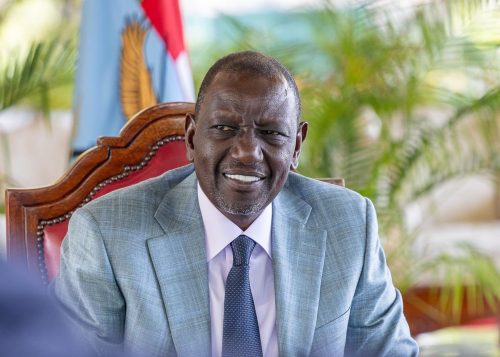
“For SHA to work, primary healthcare must work. These gaps are not about policy intent, but about execution,” Mutua said, noting that the routine bypassing of PHC facilities has significantly affected the performance of the health financing system.
Costly health services
As a result, higher-level hospitals are experiencing congestion, longer waiting times, and rising operational strain.
This not only inflates costs but also weakens the referral-based structure that SHA depends on to control spending and improve efficiency.
The assessment further revealed significant funding shortfalls across all three SHA funds. Compliance rates remain low, estimated at just 18 per cent, limiting the pool of available resources.

Weaknesses in the means-testing tool, which determines how much individuals should contribute, have also raised concerns about fairness and long-term fiscal sustainability.
“Government reports show that SHA is working, but individuals say it is not. We have operational ability gaps in the system,” Mutua said.
Beyond patient flow challenges, SHA is also grappling with a growing crisis in claims processing and reimbursements.
Health facilities have reported payment delays, disrupting service delivery and daily operations.
“A crisis in claims processing and reimbursements is disrupting facility operations and health service delivery,” Mutua said.
Pending bills
The financial strain has prompted faith-based health providers to step in. Church leaders and administrators of mission hospitals are now pushing SHA to urgently clear over Ksh10 billion in pending bills owed to facilities.
They warn that without prompt settlement, some hospitals could scale down services or turn away patients, further straining the public system.
Despite heavy investment in digital systems and technology, the assessment found persistent operational and capacity gaps. Sub-optimal internet connectivity, shortages of medical specialists, and inadequate infrastructure continue to hamper effective service delivery, especially in rural areas.

Governance risks and equity concerns have also emerged. While SHA has made notable progress, including digitally registering more than 29 million Kenyans, the pace of implementation has outstripped system readiness.
Kenya’s transition to SHA remains one of the most consequential health reforms in recent years. It was designed to replace the National Health Insurance Fund with a more inclusive and transparent structure capable of delivering Universal Health Coverage.
But as public debate intensifies, the reform now stands at a crossroads. Without urgent investment in primary healthcare, improved compliance, and faster reimbursement processes, experts warn that the promise of affordable healthcare for all could slip further out of reach.
For millions of Kenyans seeking reliable medical care, the success of SHA may ultimately depend not on policy declarations, but on whether the nearest clinic can deliver when it matters most.
Author
Latest News







Advertisement
More on News