Why trauma bonds keep people trapped in abusive relationships
By Mabonga Makhanu, November 18, 2025The growing public interest in trauma bonds comes at a time when many Kenyans are still discussing the recent situation involving former Nairobi Governor Mike Sonko’s daughter, Salma Mbuvi.
Her case drew attention after she was physically assaulted by her husband, prompting her father to step in.
Even with visible injuries and the emotional tension surrounding the incident, Salma surprised many when she rushed to defend her husband after one of Sonko’s bodyguards confronted and slapped him.
Her reaction left people wondering how someone could protect the very person who hurt them. The explanation lies in a psychological pattern known as a trauma bond.
Trauma bond
A trauma bond develops when a relationship is built on repeated cycles of abuse and reconciliation.
Instead of walking away, the victim becomes emotionally attached to the abuser through moments of affection that follow episodes of violence. After the pain, the sudden kindness feels comforting and creates a false sense of safety.
Over time, the mind learns to hold on to those good moments and downplay the abuse. This cycle forms a powerful emotional connection that makes the victim believe the relationship can still be repaired, even when the signs of danger are clear.
Defending abusers
People trapped in trauma bonds often defend their abusers, just like Salma did, because their emotions have been shaped by fear, hope, and dependency. Many victims convince themselves that their partners can change or that the abuse was a one-off mistake. Others feel ashamed to leave or fear the judgment that comes from ending a troubled relationship.
Abusers also tend to isolate their partners from family and friends, making them feel alone and dependent. When a victim reaches this stage, the thought of leaving becomes overwhelming, and staying appears like the safer option.
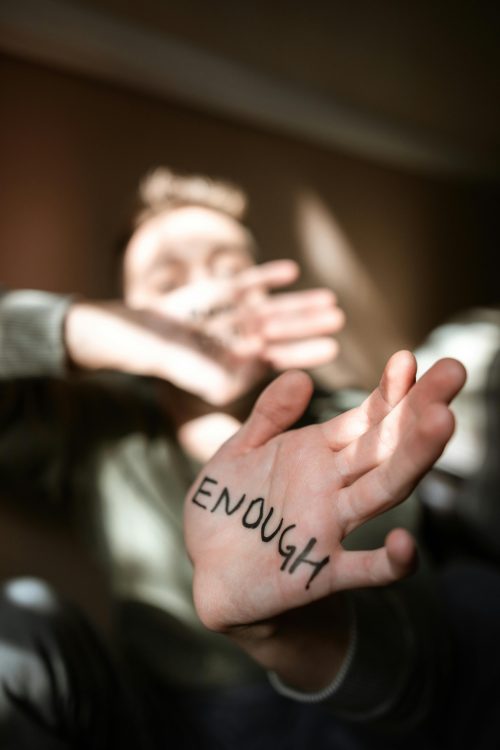
Trauma bonds are not born out of love but out of manipulation and emotional conditioning.
Victims may blame themselves, question their judgment, or fear life outside the relationship.
This is why leaving an abusive partner can feel more terrifying than staying, even when the abuse is visible to everyone else. Salma’s reaction serves as an example of how deeply these emotional ties can run and how difficult it can be for someone to break free.
Understanding trauma bonds helps explain behaviour that may otherwise seem confusing or irrational. Instead of blaming the victim, it is important to recognise the psychological grip these relationships hold.
Victims need support, patience, and a safe environment to rebuild their confidence and slowly detach from the cycle. Only then can they find the clarity and strength needed to leave an abusive relationship and begin to heal.