The rising trend of routine c-sections: convenience or risk?
By Faith Lagat, October 14, 2025The landscape of childbirth is changing. What was once a surgical intervention reserved for emergencies has increasingly become a scheduled option, framed as a convenient and controlled approach to giving birth.
Across urban and rural areas alike, the use of Caesarean sections has risen beyond the recommended threshold, reflecting shifts in societal expectations, medical practices, and perceptions of maternal empowerment. But as the procedure becomes routine, it is worth asking whether this convenience comes at a hidden cost.
Elective C-sections often promise control and predictability. A scheduled delivery avoids the uncertainty of labour, reduces physical strain, and fits neatly into the demanding rhythms of modern life. Many mothers feel empowered by the ability to plan, to avoid what can be an unpredictable and physically exhausting process.
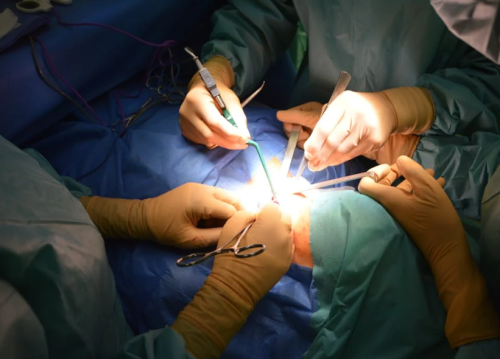
Yet beneath the surface of convenience lie complications that are frequently overlooked. Surgical deliveries carry risks of infection, blood loss, blood clots, and long-term reproductive issues. Recovery is often longer and more painful than anticipated, affecting mobility, daily routines, and the ability to care for a newborn in the crucial first weeks. The narrative of control can mask the very real vulnerability that follows an operation.
Beyond the physical
The implications of routine C-sections extend beyond the physical. In some communities, surgical birth carries stigma, with mothers judged for not delivering “naturally”. This societal pressure can deepen feelings of guilt or inadequacy, even when the procedure is medically necessary.
Emotional recovery is as critical as physical healing, yet it is rarely discussed openly. Mothers often navigate silence around post-surgical challenges, from discomfort to changes in intimacy or the strain of managing routine tasks while healing. The choice of a C-section can become a source of inner conflict, weighed against expectations of what it means to experience childbirth fully.
The systemic factors behind the rise in C-sections are also significant. Health practitioners, often operating under heavy workloads and liability concerns, may default to surgical delivery.
Meanwhile, elective procedures are sometimes presented as premium services, creating an environment where convenience and profitability intersect with medical practice. The result is a healthcare culture in which natural labour is less promoted, and the risks associated with routine surgical delivery are undercommunicated.
Centering safety and maternal well-being
Addressing this trend requires a holistic approach. Strengthening emergency obstetric care and ensuring that mothers receive clear, comprehensive counselling about delivery options is essential.
According to Beatrice Elachi, Dagoreti MP, “When did that become so normal? Yet in Europe, it is very rare for them to take you to the knife; they will always encourage natural delivery. And nobody has ever come out clearly to explain the challenges women face after undergoing such procedures.”
Awareness campaigns can shift perceptions, highlighting the safety and benefits of natural labour where feasible, while ensuring that surgical intervention remains available and safe when needed. Healthcare systems must support mothers not only during childbirth but also in the critical recovery period, reducing the likelihood of complications and long-term health issues.
Ultimately, childbirth should not be treated as a matter of convenience, scheduling, or image. It is a passage that demands preparation, respect, and care, both for the body and the mind. Choices around delivery must prioritise safety and well-being, rather than trends or perceived social pressure. Mothers deserve informed options and support that extend beyond the delivery room.
The rise of routine C-sections is a symptom of a broader societal shift—toward efficiency, control, and the pursuit of convenience. But convenience should never overshadow responsibility. Every birth carries profound implications for health, recovery, and family life. By reclaiming the narrative around childbirth and centring maternal well-being, it is possible to ensure that mothers navigate this pivotal moment with strength, dignity, and safety, rather than hidden risk.