Brighten your home: Simple tips for perfect lighting
By Kenneth Mwenda, October 12, 2025Lighting can transform a home. It sets the mood, highlights features, and makes a space feel inviting. Yet, many people focus on furniture and décor but forget lighting.
The right lights can make your rooms more functional, warm, and visually appealing. Here’s a straightforward guide to help you light your home like a pro.
Types of interior lighting
Before picking fixtures, understand the three main types of lighting: ambient, task, and accent.
Ambient lighting: This is your general lighting. It fills a room with a soft, even glow, helping people move around safely and comfortably. Think ceiling lights or recessed lights. Warm tones work best to create a cosy atmosphere.
Task lighting: This lighting focuses on specific activities, like reading, cooking, or working. Desk lamps, under-cabinet kitchen lights, or bathroom mirror lights are common examples. Task lights need to be brighter and directed at the activity.
Accent lighting: Accent lights draw attention to features like artwork, shelves, or plants. They are usually brighter than ambient lighting but are limited to certain spots. Spotlights, wall-mounted fixtures, or small LED strips work well here.
A well-lit home combines all three types, so consider how each room is used before choosing lights.
Choosing the right fixtures
Fixtures shape how light spreads in a room and add style. Popular options include:
Chandeliers: Ideal for dining rooms or living spaces with high ceilings. They create a statement and distribute light evenly.
Pendant lights: Good for task or accent lighting. Hang them over kitchen islands, desks, or reading corners.
Flush mounts: These sit close to the ceiling, perfect for lower rooms. They provide general lighting without taking up visual space.
Recessed lights: Built into the ceiling, these versatile lights work for general, task, or accent lighting. They create a clean, modern look.
Wall sconces: Mounted on walls, they complement ambient or accent lighting and free up floor space.
Lamps: Table and floor lamps are flexible and decorative. They add light where needed and enhance the room’s style.
Lighting tips for each room
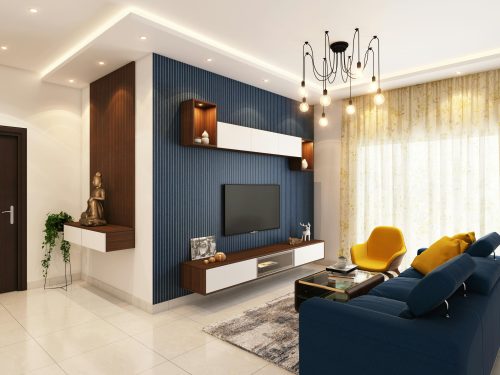
Living room: Mix overhead lighting with floor or table lamps. This creates a comfortable atmosphere whether watching TV or entertaining guests. Use a dimmer for flexibility.
Bedroom: Keep lighting soft and warm. Use bedside lamps for reading and gentle ceiling lights for overall illumination. Avoid harsh overhead lights.
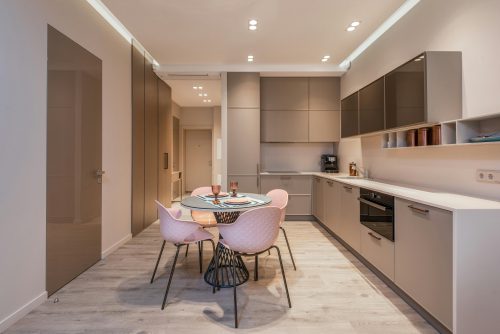
Kitchen: Bright lighting is key. Overhead LEDs, recessed lights, and under-cabinet lights help with cooking and prep work. Task lighting over the stove and sink is essential.
Bathroom: Bright, clear lighting works best. Recessed ceiling lights and vanity lights around mirrors give the clarity needed for grooming. Consider moisture-resistant options.
Dining area: A chandelier above the table adds elegance. Combine with wall lights or candles for a cosy, adaptable mood.
Choosing bulbs
Bulbs affect colour, brightness, and energy use. Focus on three key factors:
Lumens: This measures brightness. Higher lumens mean brighter light.
Colour Temperature: Measured in Kelvins (K). Warm light feels cosy, while cool light feels crisp and energising.
Energy Use: LEDs use less energy and last longer than incandescent or halogen bulbs, making them the most practical choice.
Simple ways to improve lighting
Even without major installations, you can enhance light in your home:
1. Swap harsh bulbs for warm LEDs to create a welcoming glow.
2. Turn off bright overhead lights when they feel too harsh.
3. Use lamps and distribute them evenly to avoid dark corners.
4. Add lampshades to soften light.
5. Maximise natural light by opening blinds during the day.
6. Use mirrors to reflect light and make rooms feel bigger.
7. Add uplights or downlights to highlight corners or tables.
8. Light candles for warmth and atmosphere.
Layering different types of light keeps your home flexible and stylish. It allows you to change the mood from bright and energising to soft and relaxing.