Advertisement
4 simple lifestyle tips that keep stroke at bay
Monday 15th December, 2025 10:46 AM|

In a world where cardiovascular diseases remain the leading cause of death globally, claiming around 19-20 million lives each year, there is empowering news: many strokes are preventable.
According to the World Health Organisation and recent global studies, up to 80% of premature heart attacks and strokes can be avoided through modifiable lifestyle changes.
Strokes occur when blood flow to the brain is interrupted, often due to blockages from fatty deposits or blood clots.
The good news? Simple habits like eating healthier, staying active, maintaining a healthy weight, and avoiding tobacco and excessive alcohol can dramatically lower your risk. These four evidence-based tips, promoted by health experts worldwide, are accessible to everyone and can make a real difference in protecting your brain health.
Eat healthier: Fuel your body for protection
You Might Also Like


What you put on your plate plays a huge role in stroke prevention. Unhealthy diets high in salt, sugar, saturated fats, and processed foods contribute to high blood pressure, elevated cholesterol, and obesity, all major stroke risk factors.
Focus on a balanced, nutrient-rich diet like the Mediterranean or DASH (Dietary Approaches to Stop Hypertension) style. Load up on fruits, vegetables, whole grains, lean proteins such as fish and poultry, nuts, and healthy fats like olive oil.
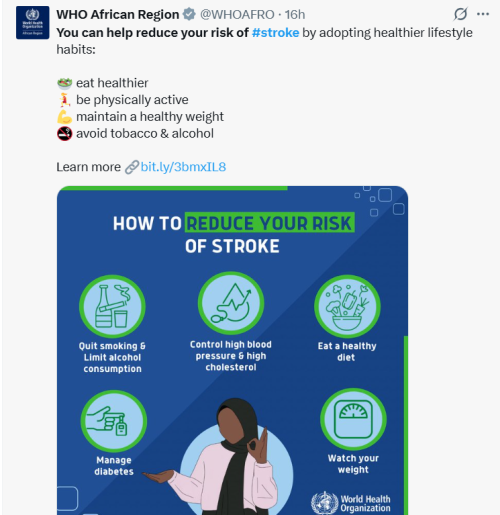
Aim for at least five servings of fruits and vegetables daily, as they are packed with vitamins, fibre, and antioxidants that help reduce inflammation and keep blood vessels healthy.
Cut back on salt (aim for less than 1,500 mg per day), sugary drinks, red and processed meats, and trans fats. Studies show that adopting these eating habits can lower blood pressure and cholesterol, reducing stroke risk by 20-30% on its own.
Small swaps, like choosing fresh salads over fried foods or herbs instead of salt for flavour, add up over time.
Be physically active: Get moving to strengthen your heart
Regular exercise is one of the most powerful tools against stroke. Physical inactivity is a key behavioural risk factor, but even moderate activity can improve blood flow, lower blood pressure, and boost overall cardiovascular health.
Aim for at least 150 minutes of moderate-intensity exercise per week, that’s just 30 minutes most days. Activities like brisk walking, cycling, swimming, or dancing count, while strength training twice a week adds extra benefits by building muscle and aiding weight control.
Research indicates that active people have a 25-30% lower risk of stroke compared to sedentary individuals. Exercise helps control weight, reduces stress, and improves insulin sensitivity. Start small if you’re new to it, park farther away or take the stairs, and build from there. Consistency is key.
Maintain a healthy weight and
Carrying excess weight, especially around the abdomen, strains the heart and blood vessels, raising risks for hypertension, diabetes, and stroke.
A healthy weight, typically a BMI under 25, acts as a protective shield. Combine a nutritious diet with regular activity to achieve and maintain it.
Even modest weight loss, 5-10% of body weight, can significantly lower blood pressure and inflammation. Obesity contributes to intermediate risks like high blood lipids and glucose. Focusing on portion control, mindful eating, and staying active can reduce stroke odds substantially.
Avoid tobacco, excessive alcohol
Tobacco use is a stroke villain; it damages blood vessels, raises blood pressure, and promotes clotting. Quitting smoking can cut your risk by up to 50% within years, while avoiding secondhand smoke is crucial.
For alcohol, moderation is best: no more than one drink per day for women and two for men. Excessive drinking raises blood pressure and can lead to irregular heart rhythms.
Adopting these four tips isn’t about perfection; it’s about progress. Combined, they can reduce stroke risk by up to 80%, according to experts.
Start with one change today, consult your doctor for personalised advice, and remember: small steps lead to big protection. Your future self will thank you for keeping stroke at bay.
Author
Latest News








Advertisement
More on Lifestyle