Advertisement
Why settling pending bills could be the biggest economic boost hidden in Kenya’s 2026/27 budget
Friday 12th June, 2026 12:20 PM|
While much of the public attention around Kenya’s 2026/27 budget has focused on taxes, debt pressures, and new spending allocations, one of the most economically significant announcements made by Treasury Cabinet Secretary John Mbadi may have quietly passed under the radar: the government’s plan to clear billions in long-overdue pending bills owed to businesses.
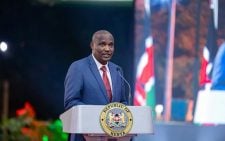
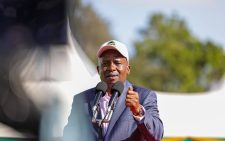
Speaking during the budget presentation on Thursday, June 11, 2026, Mbadi revealed that the government had completed verification of pending bills accumulated over several years, uncovering 91,911 claims worth Ksh637.6 billion.
After verification, 29,885 claims valued at Ksh235.6 billion were approved for settlement, with Ksh80.3 billion already cleared through securitisation in the roads sector, leaving an outstanding verified balance of Ksh155.3 billion.
This matters more than many may realise.
You Might Also Like
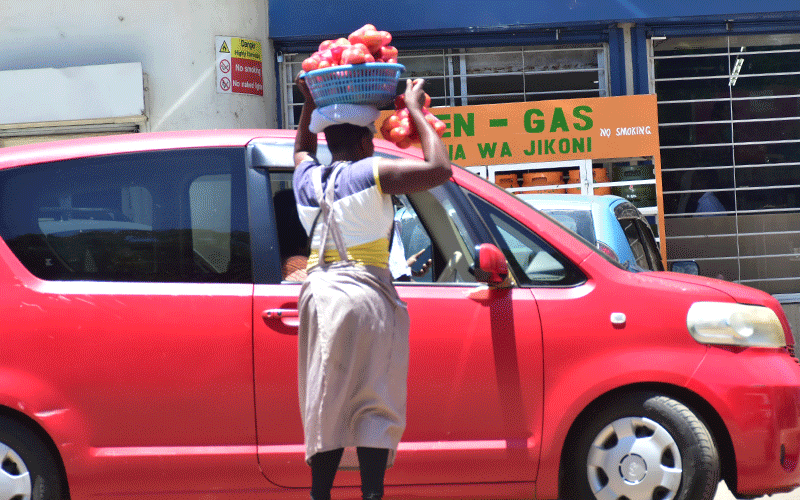
For years, delayed government payments have quietly crippled thousands of businesses, especially small and medium enterprises that rely heavily on government contracts to survive. Contractors deliver services, and suppliers provide goods, but payments often take months or years, creating a dangerous cycle of cash flow crises, layoffs, and business closures.
MSME lifeline hidden in the budget
Mbadi announced that the Treasury has set aside Ksh68 billion in FY2026/27 specifically to begin settling verified claims, prioritising suppliers and contractors owed up to Ksh100 million.
The reasoning is strategic.
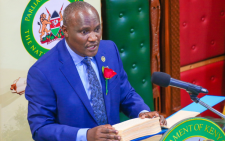
“The deliberate policy of settling pending bills of up to Ksh100 million accounts for the majority of suppliers and has the highest multiplier effect on economic activity,” Mbadi said.
In simple terms, this is money expected to flow directly back into small businesses, restoring working capital that many entrepreneurs have lacked for years.
Why could this stimulate the economy?
Kenya’s economy is currently operating under pressure from debt obligations, a fiscal deficit and limited borrowing options.
Instead of injecting growth through new debt-financed projects, clearing pending bills essentially releases money already earned by businesses back into the economy.
Mbadi said the government plans to settle the remaining Ksh155.3 billion over two years through a combination of budgetary allocations and securitisation.
If implemented effectively, clearing pending bills could become one of the strongest private sector stimulus measures in the current budget not because government is spending more, but because it is finally paying what it already owes.
Sometimes economic recovery does not begin with new taxes or new loans.
Sometimes, it begins with simply paying old debts.
Author
Latest News





Advertisement
More on Insights