Advertisement
Why Ruto’s Sovereign Wealth Fund faces Kenya’s biggest governance test
Wednesday 08th July, 2026 01:49 PM|

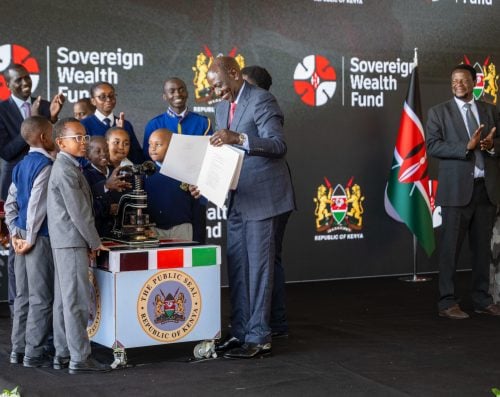
President William Ruto’s signing of Kenya’s Sovereign Wealth Fund (SWF) Bill into law marks a major step in the country’s economic reform agenda and efforts to strengthen public finance management.
The fund is intended to preserve national wealth, support strategic investments and improve Kenya’s long-term economic resilience.
However, its success will depend less on the existence of the law and more on whether Kenya can build the governance systems required to protect public resources.
The fund arrives at a challenging economic moment. The country continues to manage public debt pressures, fiscal constraints and increasing demands for greater accountability in government spending.
You Might Also Like


While the fund creates an opportunity to improve long-term financial planning, it also raises important questions about funding, transparency and institutional independence.
A sovereign wealth fund works best when supported by strong institutions, predictable revenue sources and professional management. For Kenya, the central challenge is ensuring that the fund becomes a credible vehicle for national development rather than another public institution weakened by poor governance.
Fiscal reality
Kenya’s fiscal reality and governance framework will determine the fund’s success because successful sovereign wealth funds globally have often been supported by large natural resource revenues, sustained budget surpluses or strong national savings systems. Kenya’s economic environment presents a different challenge.
The country must balance development priorities, debt obligations and limited fiscal space while attempting to create a fund designed to benefit future generations.
This creates a fundamental question: where will the sustainable resources needed to grow Kenya’s Sovereign Wealth Fund come from?
Without reliable and predictable financing, the fund risks having ambitious objectives but limited financial capacity. Creating a legal framework is important, but a sovereign wealth fund can only achieve its purpose when there are sufficient assets to manage and invest.
Governance will be the second major test. Kenya has made progress in strengthening public finance reforms through institutions responsible for budgeting, auditing and oversight. However, concerns around procurement weaknesses, audit findings, accountability gaps and enforcement challenges continue to shape public confidence in state institutions.

The credibility of the fund will therefore depend on practical safeguards. These include transparent reporting, independent audits, professional investment management, parliamentary oversight and clear rules preventing political interference.
The presence of accountability measures in legislation is only the starting point. The real measure of success will be whether Kenya’s institutions can enforce those protections consistently.
The real test is protecting Kenya’s Sovereign Wealth Fund from political pressure, as it requires long-term discipline because it is designed to serve generations rather than short-term political interests. This presents a significant governance challenge in Kenya, where public spending priorities often face pressure from immediate economic demands and changing political cycles.
The fund’s leadership structure, investment decisions and withdrawal rules will determine whether it maintains public trust. Investors and citizens will closely watch whether decisions are guided by professional financial principles or influenced by political considerations.
Heavy scrutiny
The government has argued that the Sovereign Wealth Fund will strengthen investor confidence, improve fiscal sustainability and support Kenya’s economic development goals. Those benefits, however, will depend on implementation, transparency and adherence to international best practices.
Successful sovereign wealth funds are built on trust. They publish clear information about investments, operate with professional independence and maintain strong oversight systems. Kenya can learn from global examples, but it must recognise that institutional strength is the foundation of long-term success.
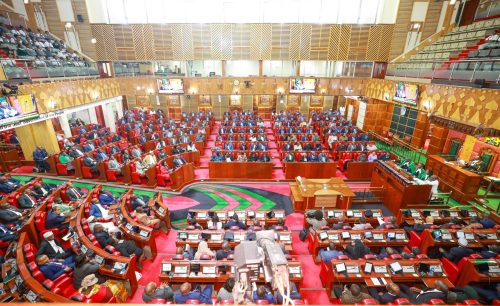
The role of oversight institutions, including Parliament and audit authorities, will be critical in ensuring that the fund operates according to its mandate. Strong governance will determine whether the Sovereign Wealth Fund becomes a tool for economic transformation or another institution facing public scrutiny over accountability.
President Ruto’s Sovereign Wealth Fund is therefore both an opportunity and a test for Kenya’s economic reform agenda. It provides a pathway toward better management of national resources, but its success will ultimately depend on whether Kenya can strengthen transparency, accountability and institutional independence.
The greatest achievement will not simply be creating the fund. It will prove that Kenya has the governance capacity to protect itself.
Author
Latest News


Advertisement
More on Insights