Advertisement
Saba Saba Day: How Orengo’s arrests led his young daughter to ask for a gun
Tuesday 07th July, 2026 06:48 PM|

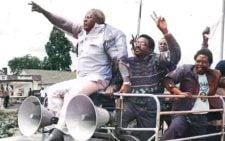
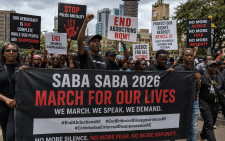
As the country commemorates Saba Saba Day, first marked on July 7, 1990, when Kenyans demanded a departure from one-party rule, one of the most prominent figures of that struggle remains James Orengo.
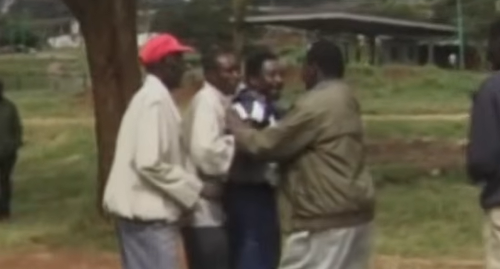
Television footage of him being bundled into police vehicles while his children watched helplessly, and his family’s home being surrounded by Special Branch officers, deeply affected his loved ones, especially his then eight-year-old daughter.
You Might Also Like
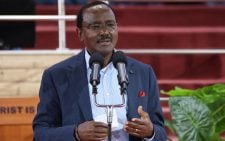
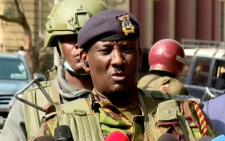
Orengo narrated that one day he received a call from his daughter’s school after she asked to be given a gun so she could kill then-President Daniel arap Moi because he kept arresting her father. The veteran politician said he was forced to visit the school, where he spoke to his daughter, urged her to abandon such thoughts, and encouraged her to focus on her education.
“Mtoto wangu alimwambia mwalimu kwamba anataka bunduki aende ampige rais kwa sababu alikuwa ananishikashika. Ilinibidi niende shuleni kuzungumza naye baada ya kuitwa na mwalimu mkuu. Nilimueleza na kumshauri atie bidii katika masomo yake na aache mawazo hayo,” Orengo said.
Muite’s fight for democracy
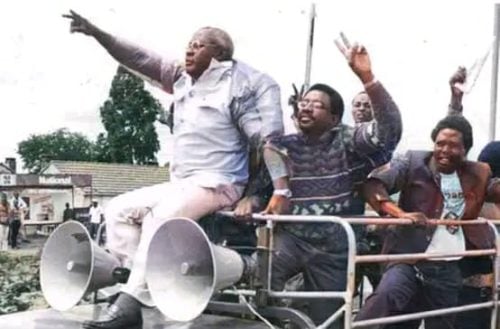
Senior Counsel Paul Muite has also shared his own painful account of the sacrifices his family endured during the fight for political pluralism and democracy.
Muite recalled one terrifying incident when he had just picked up his two sons from school, the youngest only four years old, when a group of people hurled stones and metal objects at his vehicle. He said the attack nearly killed them.
After arriving home, Muite said his young son asked him a heartbreaking question: why did those people want to kill him? It was a moment, he said, that underscored the immense risks faced not only by the pro-democracy activists but also by their families.
Every liberation fighter has a unique story about the hardships their families endured during Kenya’s struggle for democratic reforms.
Perhaps one of the most harrowing experiences was that of former Prime Minister Raila Odinga. Because of his pro-democracy activities, Raila was detained without trial for more than six years during the Moi regime.
Raila’s mother’s death
One of the greatest tragedies he endured was the death of his mother while he was in detention. He only learned of her passing three months after she had already been buried. Efforts by his elder brother, now Siaya Senator and ODM leader Oburu Odinga, to secure his temporary release so he could attend the funeral were unsuccessful.
Repealing Section 2A
The sustained pressure generated by the Saba Saba movement eventually forced the Moi government to bow to public demands. In 1991, Section 2A of the Constitution was repealed, paving the way for the return of multiparty democracy, a system Kenya continues to enjoy today.
The democratic reforms also ushered in greater media freedom. Before then, broadcasting was largely dominated by the state-owned Voice of Kenya (VoK). Liberalisation of the airwaves opened the door for independent media houses, expanding press freedom and giving Kenyans access to diverse sources of information.
Presidential term limits
Another significant achievement of the pro-democracy movement was the introduction of presidential term limits, ensuring that no president could remain in office indefinitely, as had previously been the case.
More than three decades later, the sacrifices made by Kenya’s pro-democracy heroes continue to shape the country’s democratic landscape, serving as a reminder of the personal cost many paid to secure the freedoms that Kenyans enjoy today.
Author
Latest News
Advertisement
More on Insights