Advertisement
Saba Saba Day in Tanzania: What do Tanzanians celebrate on this crucial anniversary?
Tuesday 07th July, 2026 08:36 AM|
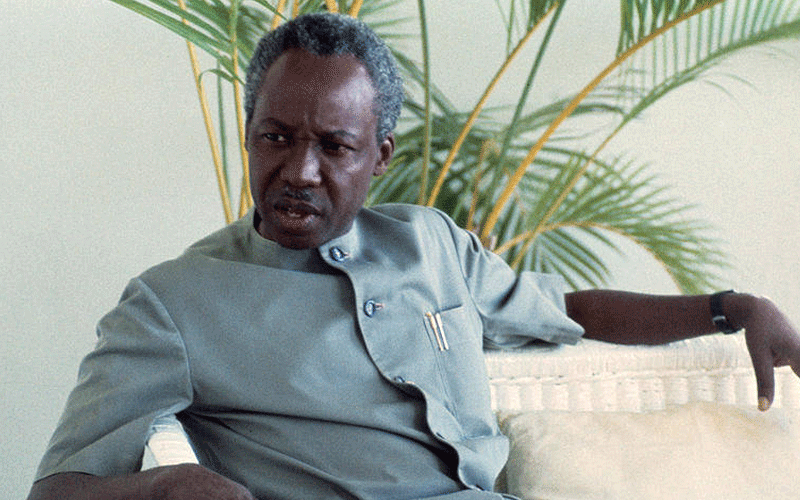
Saba Saba Day is a significant national event in Tanzania on July 7 every year. Although the date has come to the forefront of political discussion over the past few years, its history is very solidly rooted in Tanzania’s economic and political trajectory since independence.
“Saba Saba” is the Swahili word for “seven seven”, which designates July 7. It is a day to mark the establishment of the Tanganyika African National Union (TANU) on 7th July 1954.
Julius Nyerere led TANU, which led the fight for the independence of Tanganyika from British colonial rule.
The movement was successful in bringing the country independence on December 9, 1961, before Tanzania merged with Zanzibar in 1964.
You Might Also Like


Saba Saba was mainly observed as TANU Day for many years after independence, celebrating the party that established the foundation of the country’s liberation.
TANU joined the Afro-Shirazi Party (ASP) of Zanzibar to form the Chama Cha Mapinduzi (CCM), the ruling party of Tanzania, in 1977. July 7 was an important national day even after the merger.
Milestone to economic celebration
The definition of ‘Saba Saba’ changed over time from political to other aspects. Today is mostly remembered for the launch of the Dar es Salaam International Trade Fair, known as the Saba Saba Trade Fair.
The exhibition is held in Dar es Salaam every year, with thousands of local and international businesses, investors, manufacturers, farmers, innovators and government agencies participating, showing products, services and new and emerging technologies.
The fair has grown to be one of the biggest trade exhibitions in East Africa and is a platform for marketing industrialisation, investment, entrepreneurship and regional trade.
In the minds of many Tanzanians, this is because Saba Saba is also a name for business opportunities and economic development, as well as the country’s liberation history.
Journey of Tanzania’s development
The leaders of the government usually take the opportunity to discuss the economic development of the country and to promote investment and policies for strengthening local industries.
The education institutions, companies and public institutions also carry out exhibitions and public awareness programmes that are in line with the trade fair.
The events highlight the core values of self-reliance, industrialisation, and economic transformation that have been central themes of Tanzania’s development since the era of Julius Nyerere and are still embodied in the nation’s development policies.
Political importance in recent years
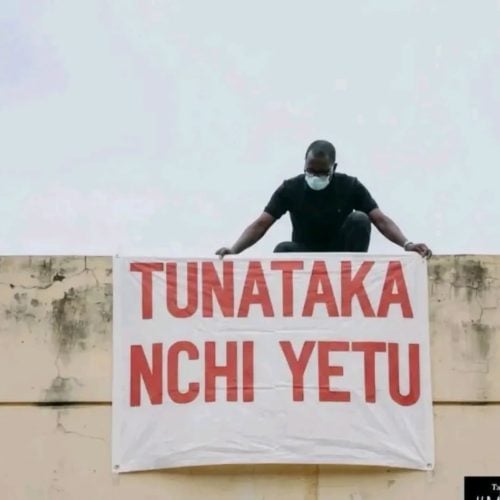
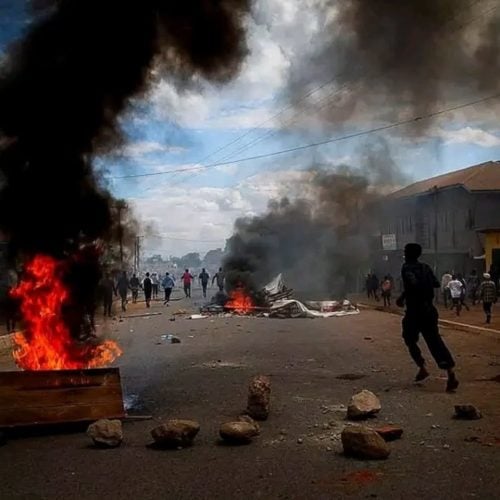
Saba Saba is traditionally a national celebration, but in recent years the date has taken on political importance too. July 7 has been an occasion for opposition groups and civil society organisations to call for democratic reforms, constitutional changes, accountability and better governance.
Political activities have sometimes resulted in increased security deployments, limitations on public assemblies, and the detention of members of opposition groups, which have created a backdrop of debate on political freedoms and civic space in Tanzania.
Despite this, however, the prime agenda of the day is the celebration of Tanzania’s liberating history as well as trade and economic development in the annual Saba Saba Trade Fair.
An event of permanent national significance
Today, Saba Saba still has its own special place in Tanzania’s national calendar, over 70 years since the founding of TANU. It is a reminder of the nation’s struggle for independence and a celebration of its economic aspirations.
The anniversary is celebrated annually, as thousands of visitors attend the trade fair, and it signifies the transformation of Tanzania from a liberation movement to a country that is geared towards industrial development, regional trade and economic development without forgetting the history that laid the foundations for the country’s liberation.
Author
Latest News






Advertisement
More on Insights