Advertisement
Explainer: Inside Treasury’s Ksh4.8 trillion spending plan for 2026/27 budget
Saturday 02nd May, 2026 01:38 AM|

The National Treasury has proposed a record Ksh4.8 trillion budget for the financial year beginning July 2026, marking the largest public expenditure plan in the country’s history as the government balances rising debt costs, development needs, and slowing economic momentum.
The budget, tabled in Parliament ahead of the April 30, 2026, deadline, comes amid expectations that economic growth could slow from 5.3 per cent to 5.0 per cent, partly due to global geopolitical tensions, including the US–Israel–Iran conflict, which has disrupted international trade and energy markets.
The proposed expenditure of Ksh4.82 trillion is divided into three major components. The national government, which includes the Executive, Parliament, and Judiciary, will receive Ksh2.89 trillion.
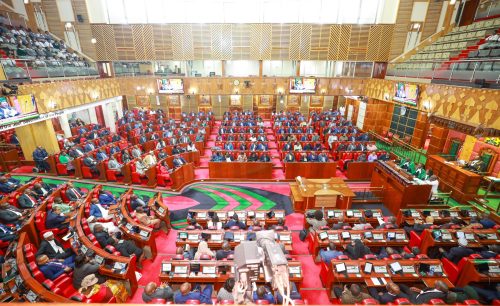
Consolidated Fund Services, mainly covering debt repayment obligations, will take Ksh1.5 trillion. County governments are allocated Ksh420 billion, an increase of Ksh5 billion from the current financial year.
You Might Also Like

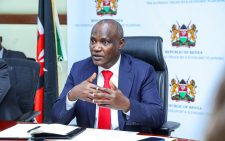

At the national level, spending remains heavily weighted toward recurrent expenditure. Of the Ksh2.89 trillion, about Ksh1.98 trillion will go to salaries, operations, and maintenance costs, while Ksh840.6 billion will fund development projects across ministries. Parliament is set to receive Ksh48.69 billion, while the Judiciary will get Ksh30.44 billion.
To finance the budget, the Treasury expects to raise Ksh3.63 trillion in total revenue, including taxes and Appropriations-in-Aid, which are fees and levies collected by government agencies. Ordinary revenue is projected at Ksh2.99 trillion, up from Ksh2.78 trillion in the current financial year.

Budget deficit
Despite the improved revenue outlook, the government still faces a financing gap of about Ksh1.1 trillion.
To plug this deficit, the National Treasury plans to borrow Ksh116.2 billion externally and a much larger Ksh995.7 billion from the domestic market. This marks the highest level of domestic borrowing in Kenya’s history, reflecting increased reliance on local lenders such as banks and pension funds to finance government operations.
A significant portion of the budget continues to be absorbed by debt servicing. The Ksh1.5 trillion allocated to Consolidated Fund Services underscores the rising cost of repaying past loans, which has steadily constrained fiscal space for development spending.
Meanwhile, the Executive will take the largest share at 97 per cent, amounting to Ksh2.8 trillion. This highlights the dominance of central government operations in overall spending priorities.
Overall, the 2026/27 budget reflects a continued tension between rising expenditure demands, growing debt obligations, and the challenge of sustaining economic stability while financing both recurrent and development needs.
Author
Latest News




Advertisement
More on Insights