Advertisement
Orengo honours Julius Kago, driver who ferried opposition leaders through KANU crackdown
Thursday 16th July, 2026 06:02 PM|
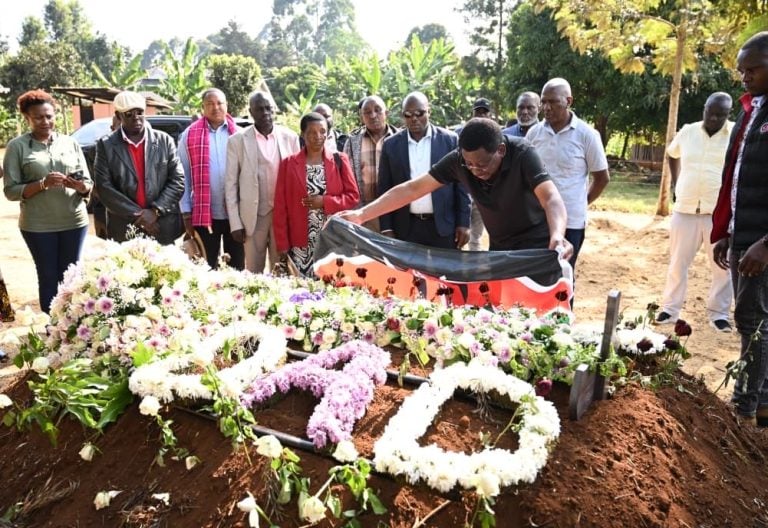
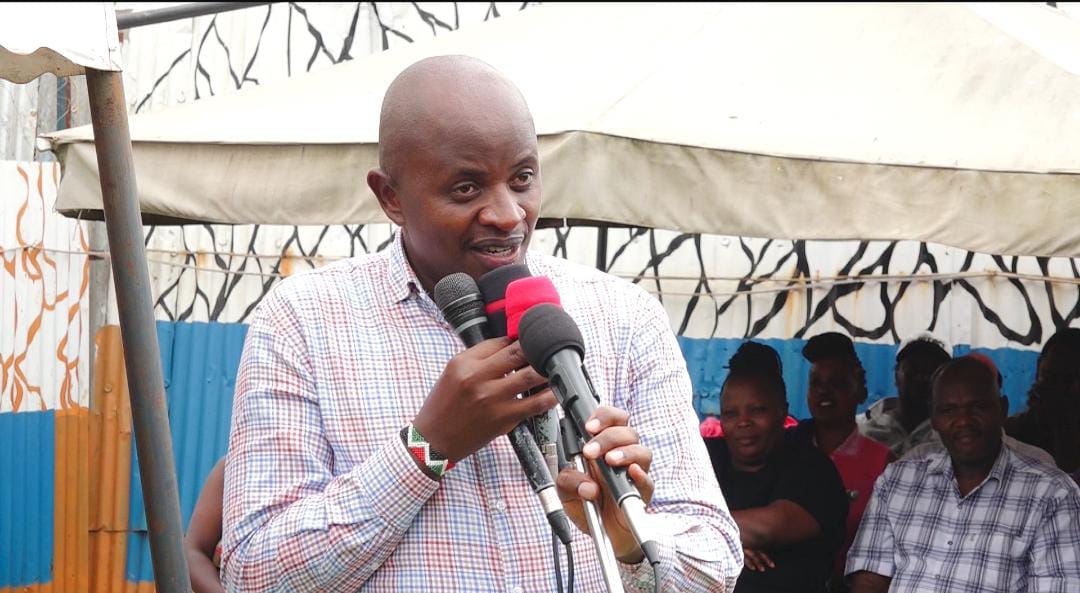
Siaya Governor James Orengo has paid tribute to Julius Kago Maina, the driver who helped opposition leaders defy the KANU government during Kenya’s struggle for multiparty democracy.
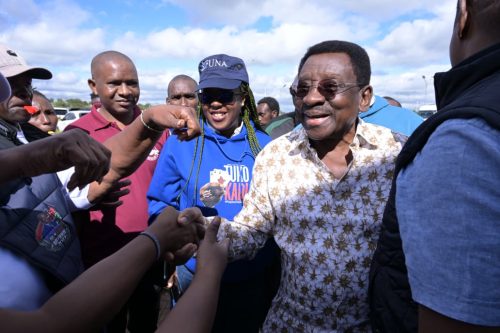
Orengo visited Kago’s family in Karatina, Nyeri County, following his burial on Tuesday, July 14, 2026.
Using X on Thursday, July 16, 2026, Orengo described Kago as a courageous figure whose contribution to Kenya’s Second Liberation went beyond his work as a driver.
“Today in Karatina, Nyeri County, I paid my respects to the family of Mzee Julius Kago Maina, who was laid to rest on Tuesday,” Orengo said.
You Might Also Like
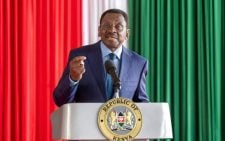
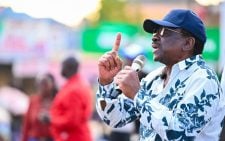
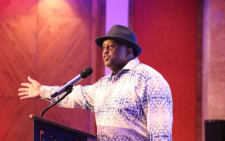
“He was not just a driver, he was a fearless vanguard of Kenya’s Second Liberation.”
Defying the KANU rule
Orengo recalled Kago’s role during a banned opposition rally at Kamukunji Grounds in November 1991.
At the time, opposition leaders were pushing for the restoration of multiparty democracy. The KANU government had banned the gathering and launched a crackdown against its organisers.
Kago drove a Toyota Stout pickup carrying Orengo, the late Martin Shikuku and other opposition figures towards Kamukunji.
“In November 1991, when the tyrannical KANU regime deployed its brutal machinery of terror to ban free assembly, Mzee Kago stared down the dictatorship with absolute, unwavering bravery,” Orengo said.
The governor said Kago understood the danger but refused to abandon the opposition leaders.
“Fully aware of the imminent threat to his life and livelihood, he refused to be intimidated by the State’s threats,” he said.
“With steel nerves, he steered his iconic Toyota Stout pickup through the danger.”
Who Kago was
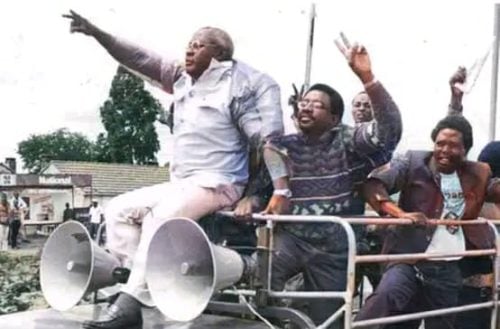
Kago was a transport worker who became part of Kenya’s political history through his role in the Kamukunji rally.
Opposition leaders had planned to reach the grounds despite arrests, police barricades and heavy security deployment.
Kago’s pickup became their main means of transport after police intercepted other vehicles carrying members of the group.
The journey was later cut short after the vehicle developed a fuel leak. The opposition leaders were arrested and taken to different police stations.
Kago was also arrested after the incident. His family said he was detained for several days before being released without charge.
He later entered the transport business but retired after suffering a stroke. He died on July 7, 2026, aged 75.
Democracy legacy
Orengo said Kago’s actions helped challenge State repression and advance the campaign for political reforms.
“Mzee Kago’s extraordinary courage in the face of tyranny helped break the chains of oppression,” he said.
“His legacy of defiance is forever etched into the bedrock of Kenya’s democracy. Rest in power, Hero.”
The Kamukunji protests became a major moment in the campaign to end one-party rule. Kenya restored multiparty politics in December 1991 after Parliament repealed Section 2A of the Constitution.
Author
Latest News

Advertisement
More on News