Advertisement
Why court’s ruling on careless driving could complicate road crash prosecutions
Wednesday 10th June, 2026 11:29 AM|

A recent High Court ruling declaring that careless driving is no longer an offence under Kenyan law could have far-reaching consequences for road safety enforcement at a time when the country is grappling with rising road deaths and injuries.
The decision means police and prosecutors can no longer charge motorists with careless driving, an offence that has routinely appeared in traffic cases for years despite being removed from the Traffic Act in 2012.
Instead, authorities must rely on the offence of driving without due care and attention, a legal distinction that could affect how future crash cases are investigated and prosecuted.
The ruling comes against a troubling road safety concern as more than 5,000 people die on Kenyan roads every year, exceeding the national average of 4,000 fatalities.
You Might Also Like



Pedestrians and motorcycle riders account for the majority of victims, while speeding, dangerous overtaking, drunk driving and lane indiscipline remain among the leading causes of crashes.
While the court’s decision does not legalise reckless behaviour on the roads, it exposes weaknesses in the enforcement system; any motorist charged under the outdated offence could challenge the case in court, potentially leading to acquittals, overturned convictions or refunds of fines.
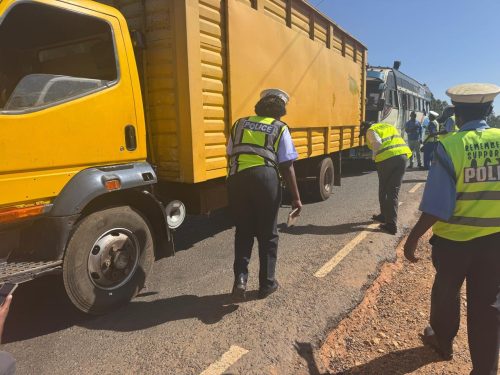
This raises concerns about whether some road crash cases may collapse on technical grounds even when dangerous driving is evident.
The judgment arose from the conviction of a motorist involved in a 2018 crash who was fined Ksh200,000 for careless driving. The High Court quashed the conviction after finding that the offence had ceased to exist six years before the accident occurred.
The court held that prosecuting someone for a non-existent offence violates constitutional protections guaranteeing a fair trial.
Immediate impact is likely to be felt by police officers and prosecutors, who may now be required to review charge sheets and ongoing cases to ensure they comply with the law.
Road accidents
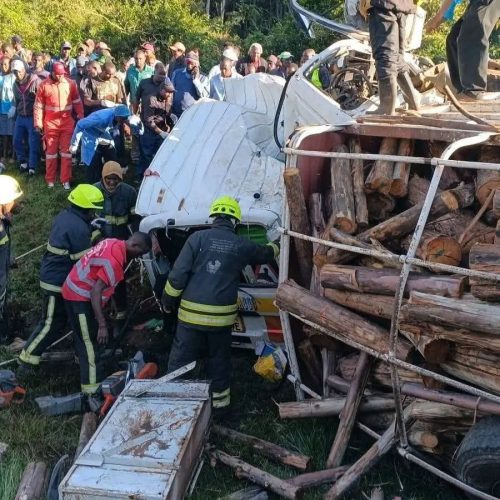
Any failure to correctly frame charges could weaken prosecutions and delay justice for crash victims and their families.
The ruling also raises questions about past convictions secured under the offence after it was removed from the law in 2012. Individuals previously convicted may seek legal redress, potentially opening a new wave of appeals and compensation claims against the State.
For road safety, the judgment presents a broader challenge as human error accounts for more than 85 per cent of road crashes in Kenya, and enforcement remains one of the most effective tools for reducing dangerous driving.
Any uncertainty over how traffic offences are charged risks creating enforcement gaps at a time when road fatalities continue to rise, and crashes cost the economy an estimated Ksh450 billion annually.
Ultimately, the court’s decision is less about whether dangerous drivers can still be punished and more about whether the criminal justice system can quickly adjust to ensure offenders are prosecuted under the correct law.
Failure to do so could undermine efforts to improve road safety and hold motorists accountable for actions that endanger lives on Kenyan roads.
Author
Latest News








Advertisement
More on Insights