Advertisement
Why cost of living is high despite a fall in fuel prices
Friday 27th February, 2026 04:06 PM|

Fuel and electricity prices eased in February 2026, offering what appeared to be relief for households and businesses. But food prices continued their sharp rise, deepening the country’s great relief paradox.
“The prices of petrol and diesel eased, with that of petrol decreasing from Ksh183.59 to Ksh 179.35 per litre, and diesel reducing from Ksh171.64 to Ksh167.72 per litre,” the KNBS report states. Electricity costs similarly fell during the review period.
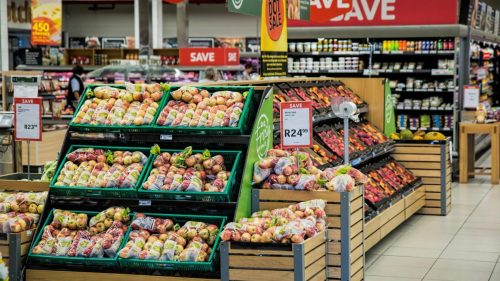
The Energy and Petroleum Regulatory Authority (EPRA) had attributed the reduction in fuel prices to a decrease in the landed cost of imported refined petroleum products.
You Might Also Like



Yet food inflation remained stubbornly high at 7.3 per cent year-on-year in February, making it the largest contributor to overall inflation of 4.3 per cent.
Retail data paints a stark picture. Cabbage prices surged 43.4 per cent compared to February 2025. Sukuma wiki rose 25.9 per cent year-on-year, while maize grain increased 15.2 per cent. Irish potatoes climbed 18.3 per cent over the same period.
“Over the twelve months until February 2026, the Food and Non-Alcoholic Beverages division index rose by 7.3 per cent,” KNBS noted.
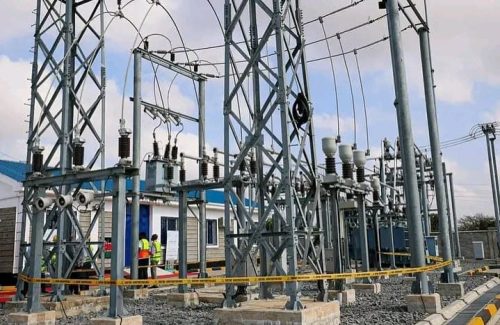
Why food price crisis?
The divergence raises pressing economic questions: Why didn’t lower fuel and electricity costs translate into cheaper food?
Energy and transport are critical inputs in agricultural production and distribution.
In theory, lower pump prices and electricity tariffs should ease farm-to-market logistics costs, cold storage expenses and milling charges. But February’s data suggests weak price pass-through.
Several factors could explain the disconnect. Weather-related supply constraints may be limiting the output of key vegetables.
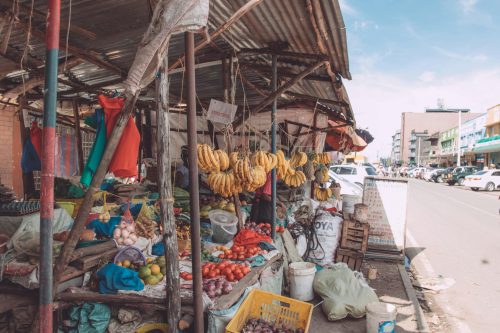
Market concentration within fresh produce distribution chains could also be muting competitive pricing. Analysts further point to possible supply chain margins absorbing energy savings before they reach consumers.
Meanwhile, transport inflation still rose 4.0 per cent year-on-year, despite the monthly fuel decline, indicating structural cost pressures beyond pump prices. As food carries the largest weight in Kenya’s inflation basket, sustained price pressures in this segment will continue shaping the cost-of-living debate in the months ahead.
Author
Latest News








Advertisement
More on Insights