Advertisement
School closures over unrest: Are we raising a generation in crisis?
Friday 05th June, 2026 06:54 AM|
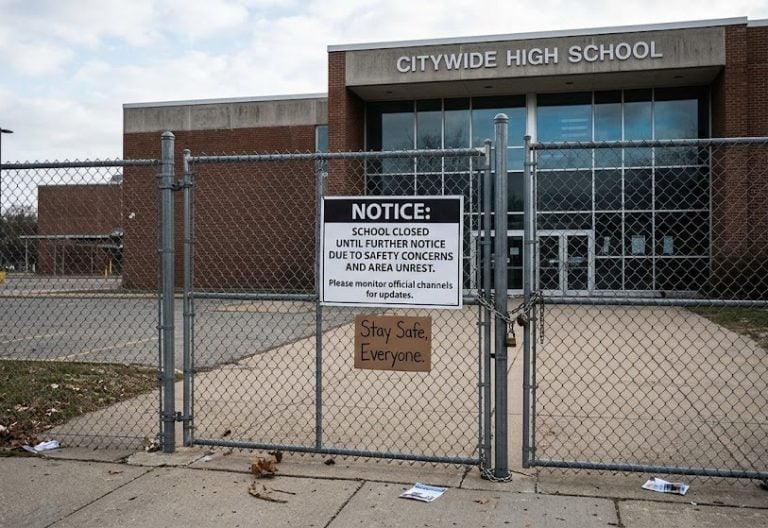
The closure of schools due to student unrest is increasingly beginning to feel less like isolated incidents and more like a worrying pattern.
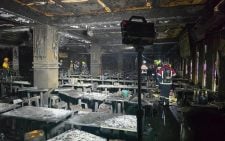
Barely weeks after the tragic fire at Utumishi Girls’ Academy that claimed the lives of 16 students, fresh cases of unrest continue to emerge across schools, raising difficult but necessary questions. What exactly is going wrong with our children? More importantly, who is responsible?
This debate cannot simply end with blaming students.
The disturbing trend suggests a deeper crisis beyond school compounds. If schools close today because of unrest and students return only for similar incidents to occur again, then perhaps the problem is larger than the children themselves.
A mirror of society
You Might Also Like


Machakos Governor Wavinya Ndeti recently argued that adults may be part of the problem rather than merely observers of it.
“As we blame these young children, the adults of this country must be very careful. Monkey sees, monkey do. The grown-ups are the problem,” she said.
Her remarks deserve serious reflection.
Children rarely develop values in isolation. They learn from parents, teachers, political leaders and society at large. If young people constantly witness adults insulting one another publicly, settling disputes through chaos, or celebrating confrontation rather than dialogue, it becomes difficult to convince them that discipline matters.
National Assembly Majority Leader Kimani Ichung’wah raised a similar concern when he questioned whether students could be copying destructive behaviour often witnessed in public protests.
“I heard the governor for Nakuru pose the question, could these young ones be learning from us that whenever we want to protest, we must burn down buildings and people’s shops?” he stated.
Social media and changing lifestyles
Education Committee chairperson Julius Melly has also pointed to social media influence.
“The unregulated use of social media among our students is making them consume negative content online,” Melly said.
Technology itself is not the enemy. However, unrestricted exposure without guidance creates another challenge. Students today are consuming far more information than previous generations, often without the emotional maturity to process it.
Online content can normalise violence, rebellion and dangerous behaviour. Peer pressure no longer ends in school compounds; it now exists on phones and screens every hour of the day.
Discipline is a shared responsibility
The Utumishi Girls’ investigations revealed frustrations over examination schedules, school charges and peer influence. Yet none of those reasons justifies the loss of innocent lives.
Perhaps the bigger question is not whether discipline can return but whether adults are ready to return to their responsibilities.
Parents cannot transfer parenting entirely to teachers. Teachers cannot carry the burden alone. Education authorities cannot only react after schools burn. Society itself must become part of the solution.
These children are not destroying somebody else’s future; they are destroying their own. And if we continue treating every incident as an isolated event rather than a national warning sign, school closures may slowly become a normal headline, and that should worry everyone.
Author
Latest News








Advertisement
More on Insights