Advertisement
Looming fuel crisis amid monthly prices review by EPRA
Monday 13th April, 2026 09:48 AM|
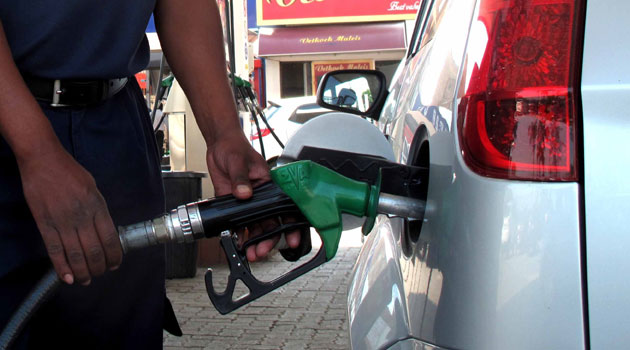
There is an increasing concern about an imminent fuel crisis in Kenya as the Energy and Petroleum Regulatory Authority (EPRA) gears toward its monthly fuel price review.
The situation is further exacerbated by the fact that the war in Iran is still going on and has caused enormous disturbances in global oil supply chains, and oil prices have gone up internationally.
Intermittent shortages and irregularities in supply have already been reported by fuel users in the country, and there is a fear that the situation may deteriorate in case global and local pressures continue to be felt.
PD/David Macharia
Force of fuel shock
The current war in Iran has become the most important external force to consider in the global fuel markets. The war has caused significant oil shipping disruption, especially in the Strait of Hormuz, which is a major route through which much of the world’s crude oil and liquid natural gas is carried.
You Might Also Like



Energy market analysts argue that the war has caused a drastic decline in the supply of oil globally, which has contributed to increased prices. Fears of disruption have continued to drive the surge in the prices of Brent crude past the 100 per barrel threshold during certain trading sessions.
The International Energy Agency has threatened that the crisis has been one of the most serious energy supply shocks in the world in recent history, as already shortages in supply and shipping delays have been experienced in Asia, Europe, and Africa.
Cost of imports pressures Kenya
Kenya is directly exposed to these global price shocks, as it is a major importer of petroleum products. Any rise in the price of crude oil is almost immediately translated into an increase in the price of gasoline, diesel, and kerosene at the pump.
The situation has further deteriorated by the devaluation of the Kenyan shilling against the US dollar, which has made the prices of importing fuel high. This two-fold pressure of increasing world oil prices and weakening currencies has made fears worse as EPRA prepares to review it monthly.
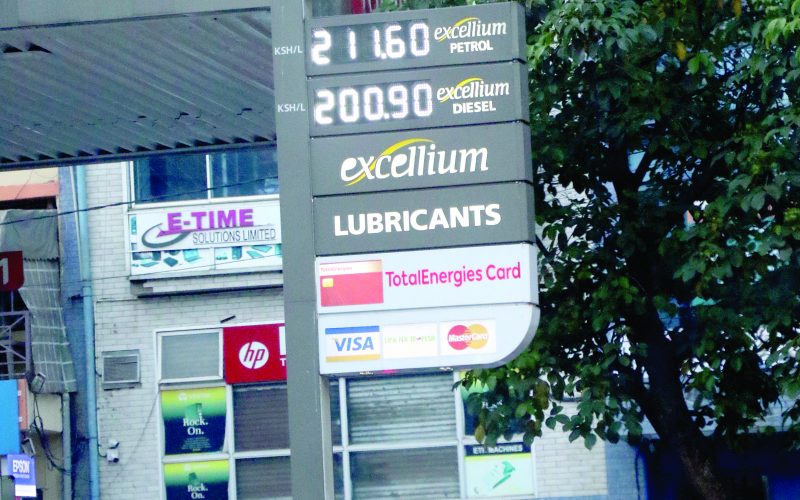
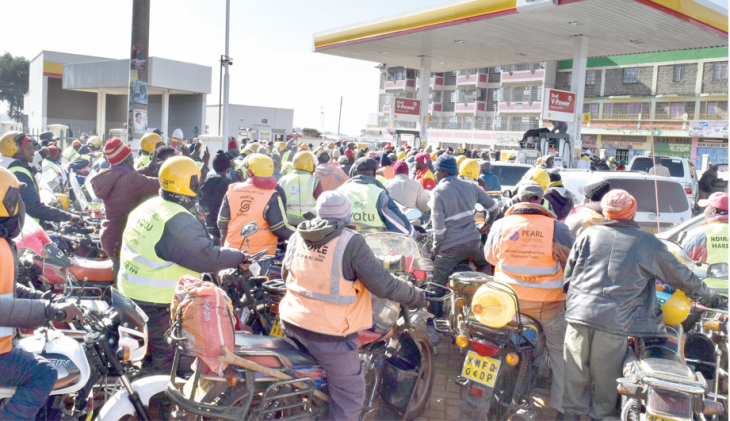
Increasing fuel costs in the last few weeks have been reported by transport operators and consumers, and some regions are already facing shortages and delays in supply. Of particular concern has been the inconsistent fuel supply and unpredictable fuel prices for Matatu operators, logistics companies, and small businesses.
EPRA under pressure
The Energy and Petroleum Regulatory Authority is now in a challenging balancing act. The regulator must consider the global market realities while simultaneously safeguarding consumers from significant price increases that could worsen the cost-of-living crisis.
Any upward movement in the price of fuel is likely to cause a ripple effect within the economy, as it will raise transport fares and food prices, as well as the cost of production.
Stakeholders in the industry have pressured EPRA to keep prices stable or to prevent extreme increases, saying that regular increases and decreases could disrupt business planning and put further pressure on household incomes.
Increasing social unrest about fuel supply
Apart from pricing, concerns about the actual fuel supply are escalating. User reports indicate that there are occasional shortages in some fuel stations, which are causing panic among the people, as there might be a wider spread in supply.
Although the governments have not yet reported a national shortage, market analysts say that a lack of supply at the global level due to the Iran war and logistical and importation issues might be contributing to the inefficiency of distribution.
With the world yet to come to terms with the geopolitical aftermath of the Iran war, fuel markets are staying volatile. In the case of Kenya, it is a twofold problem: the prices of imports are increasing, and domestic demand is pushing upwards.
Consumers are keenly observing the impending EPRA fuel price review as a pivotal point that could either spell relief or additional strain.
To date, the global conflict-induced supply shocks and the local economic strains are an indication of the ongoing threat of fuel instability in the near future.
Author
Latest News








Advertisement
More on Insights