Advertisement
Kenya’s Ebola preparedness talks revive memories of COVID-19 response
Thursday 28th May, 2026 07:49 AM|

Kenya’s ongoing discussions with the United States and other global partners on Ebola preparedness have reignited public memories of the country’s response during the COVID-19 pandemic, a period that exposed both the strengths and weaknesses of the nation’s healthcare emergency systems.
The renewed concern follows reports that the United States is considering sending American citizens exposed to the Ebola virus to Kenya for monitoring and treatment instead of repatriating them back home. The reports, first published by The New York Times, have triggered widespread debate among Kenyans online, with many questioning whether the country is fully prepared to handle such a sensitive public health responsibility.
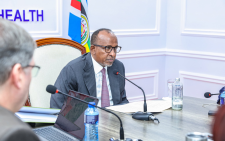
In response, Health Cabinet Secretary Aden Duale confirmed that Kenya is indeed engaging international partners on strengthening Ebola preparedness and response systems, although he maintained that any cooperation would strictly follow Kenya’s public health laws, biosafety standards, and national interests.
COVID-19 lessons still fresh
For many Kenyans, the developments immediately revive memories of the coronavirus pandemic when the country introduced strict containment measures, including airport screening, quarantine centres, curfews, contact tracing, and nationwide public awareness campaigns.
You Might Also Like

At the time, the government faced criticism over communication gaps, confusion surrounding restrictions, and fears among citizens. However, the pandemic also forced Kenya to rapidly strengthen its emergency health systems, expand laboratory testing capacity, and improve disease surveillance across borders and counties.
Those same systems are now forming the backbone of Kenya’s Ebola preparedness strategy.
According to Duale, Kenya has already activated its national Incident Management System, intensified surveillance at points of entry, designated laboratories for testing, and strengthened coordination between national and county governments. More than 55,000 travellers have reportedly been screened through various ports of entry, with ten suspected cases testing negative.
Balancing preparedness and public trust
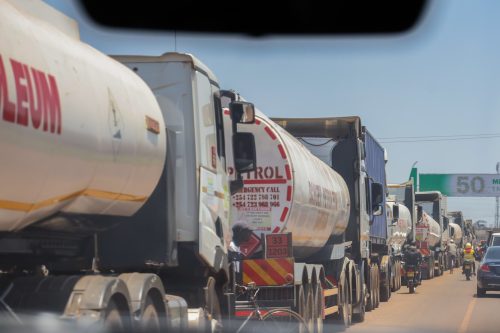
Kenya’s strategic position as a regional transport and trade hub means the country remains vulnerable to cross-border disease outbreaks. The government’s collaboration with international agencies, including the United States, is therefore seen by health experts as part of broader regional health security efforts.
Still, public concern remains high, particularly over transparency surrounding the alleged US quarantine plans. Many Kenyans fear the country could become a foreign quarantine destination without proper public engagement or adequate safeguards for citizens and frontline health workers.
Even so, the Ministry of Health insists that there is currently no Ebola outbreak in Kenya and that all preparedness measures remain precautionary.
The situation ultimately highlights how deeply COVID-19 changed public attitudes towards disease outbreaks, with many citizens now more alert, cautious, and demanding greater accountability whenever global health threats emerge.
Author
Latest News








Advertisement
More on Insights